Mold Health Risks and Property Damage: What Every Property Owner Should Know
Elsa Boyer is a Regional Operations Manager for Advanced Disaster Recovery, based in Harrisburg, Pennsylvania, overseeing commercial and healthcare restoration projects. She holds a Bachelor of Arts from Valparaiso University and a deep certification portfolio, including ICRA Certified Healthcare Remediator Supervisor and multiple IICRC designations across commercial drying, structural drying, water, and fire & smoke restoration.

Understand mold health risks and property damage. Learn about symptoms, hidden mold dangers, and why professional remediation protects your family and home.
How Mold Develops in Buildings
Mold requires only three conditions to grow: moisture, organic material (food source), and appropriate temperatures. Buildings provide two of these conditions abundantly—organic materials in drywall, wood, carpet, and insulation, plus comfortable temperatures. Only moisture control prevents indoor mold growth.Common Moisture Sources
| Moisture Source | Common Locations | Warning Signs |
|---|---|---|
| Plumbing Leaks | Under sinks, behind toilets, in wall cavities, basement pipes | Water stains, musty odors, unexplained water bills, soft spots |
| Roof Leaks | Attics, ceilings below rooflines, around chimneys and vents | Ceiling stains, dripping during rain, attic moisture |
| Foundation Issues | Basement walls, crawl spaces, below-grade rooms | Efflorescence, dampness, standing water, musty basement smell |
| Condensation | Windows, cold exterior walls, air conditioning systems | Foggy windows, wet walls, dripping AC units |
| High Humidity | Bathrooms, kitchens, laundry rooms, poorly ventilated spaces | Persistent humidity above 60%, moisture on surfaces |
| Flooding | Any area affected by water intrusion events | History of flooding, inadequate drying after water events |
Understanding Mold Health Risks
Mold health risks affect occupants primarily through three mechanisms: allergic reactions, irritant effects, and in some cases, toxic effects from mycotoxins. Individual sensitivity to mold health risks varies significantly—some people experience severe symptoms while others in the same environment notice nothing.Allergic Reactions
Mold spores are potent allergens. People with mold allergies may experience:- Nasal congestion and runny nose
- Sneezing and post-nasal drip
- Itchy, watery eyes
- Skin irritation and rashes
- Coughing and throat irritation
- Worsening asthma symptoms
Respiratory Irritation
Beyond allergic reactions, mold exposure irritates respiratory systems in most people with sufficient exposure. Volatile organic compounds (VOCs) produced by mold growth cause that characteristic musty odor and can irritate airways even in people without specific mold allergies. Symptoms of respiratory irritation include:- Chronic cough
- Difficulty breathing
- Chest tightness
- Sinus congestion
- Sore throat
- Headaches
Vulnerable Populations
Certain individuals face elevated risks from mold exposure: People with Respiratory Conditions: Asthma sufferers, those with COPD, and people with other respiratory conditions experience exacerbated symptoms around mold. Asthma attacks can be triggered by mold exposure. Immunocompromised Individuals: People with weakened immune systems—whether from medical conditions, chemotherapy, organ transplants, or other causes—face increased risk of mold-related infections. Infants and Young Children: Developing respiratory systems are more vulnerable to environmental irritants. Some research suggests early mold exposure may contribute to asthma development. Elderly Individuals: Age-related immune system changes and higher rates of respiratory conditions increase vulnerability. Warning: If occupants experience unexplained respiratory symptoms that improve when away from the building and worsen upon return, mold health risks should be investigated immediately. This pattern strongly suggests indoor mold dangers requiring professional assessment.Mycotoxins and Toxic Mold
Certain mold species produce mycotoxins—toxic compounds that can cause more serious health effects with significant exposure. "Black mold" (Stachybotrys chartarum) receives attention for mycotoxin production, but other common molds also produce these compounds. While casual contact with mycotoxin-producing molds rarely causes severe toxicity, prolonged exposure in heavily contaminated environments raises legitimate concerns. Professional remediation addresses all mold species appropriately, eliminating contamination regardless of specific species present.Property Damage from Mold Growth
Beyond health concerns, mold property damage causes significant financial losses that worsens over time without intervention. Understanding mold property damage helps property owners recognize the urgency of addressing mold problems promptly. Mold literally digests organic building materials, causing progressive deterioration.Structural Material Damage
Wood Damage: Mold growth on wood leads to rot and structural weakening. Framing members, subfloors, sheathing, and trim can all suffer mold damage. Advanced rot may require structural repairs beyond simple remediation. Drywall Deterioration: Paper facing on drywall provides ideal food for mold. Mold-damaged drywall becomes structurally compromised and typically requires removal rather than cleaning. Insulation Contamination: Mold-contaminated insulation cannot be cleaned and must be replaced. Mold in insulation often indicates hidden moisture problems requiring investigation.Surface and Finish Damage
Mold stains surfaces and finishes, often permanently. Paint, wallpaper, ceiling tiles, and flooring materials may all require replacement when mold growth is significant. Even after mold removal, cosmetic damage often remains.HVAC System Contamination
Mold growing in or near HVAC systems spreads spores throughout buildings. Contaminated ductwork, air handlers, and components require professional cleaning or replacement. HVAC contamination dramatically increases remediation complexity and cost.Contents Damage
Personal property exposed to mold may be damaged beyond salvage. Furniture, clothing, documents, and other belongings can be affected. Professional contents cleaning and restoration can save many items, but some materials cannot be adequately decontaminated.Signs of Mold Problems
Recognizing mold indicators early enables faster intervention before damage and health impacts escalate.Visible Signs
- Visible growth: Mold may appear as fuzzy, slimy, or powdery patches in various colors (black, green, white, orange, brown)
- Water stains: Discoloration on ceilings, walls, or floors often indicates moisture that supports mold
- Peeling paint or wallpaper: Moisture behind surfaces causes adhesion failure
- Warped or buckled surfaces: Moisture absorption causes material distortion
- Discoloration: Unexplained staining may indicate hidden mold or moisture
Smell Indicators
Musty, earthy odors indicate mold growth even when not visible. These odors result from microbial volatile organic compounds (MVOCs) produced during mold metabolism. If you smell mold, it's present—even if you can't see it.Health Symptom Patterns
Occupant health patterns can indicate environmental problems. Multiple people experiencing similar respiratory symptoms, symptoms that improve away from the building, or sudden development of allergy-like symptoms warrant environmental investigation.Hidden Mold: The Unseen Danger
Visible mold represents only part of potential contamination. Mold frequently grows in hidden locations where moisture accumulates unseen.Common Hidden Locations
- Inside wall cavities behind drywall
- Under flooring and carpet
- Above ceiling tiles
- Inside HVAC ducts and equipment
- Behind cabinets and built-ins
- In crawl spaces and attics
- Around and under bathtubs
- Behind refrigerators and appliances
Professional Mold Remediation Approach
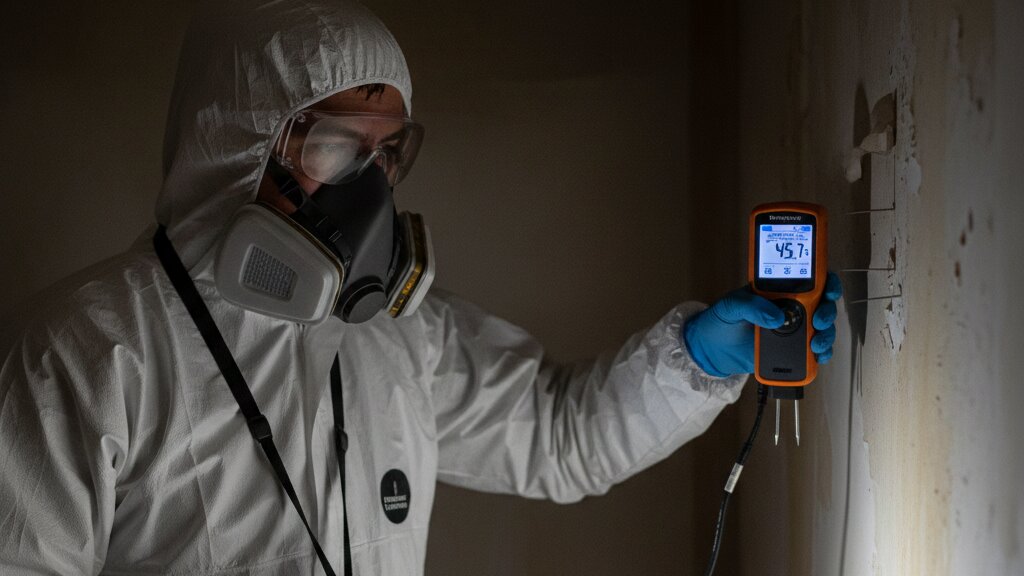
Professional mold remediation follows established protocols ensuring complete contamination removal while protecting occupants and workers. Proper mold remediation addresses both visible and hidden contamination to eliminate health risks and prevent recurrence.Assessment and Testing
Professional assessment determines contamination extent and guides remediation planning. Assessment may include:- Visual inspection of accessible and hidden areas
- Moisture mapping using specialized detection equipment
- Air quality sampling to quantify spore levels
- Surface sampling to identify mold species
- Identification of moisture sources requiring correction
Containment
Before remediation begins, affected areas are isolated to prevent contamination spread. Containment involves:- Plastic sheeting barriers sealing work areas
- Negative air pressure preventing spore migration
- HEPA air filtration capturing airborne spores
- Controlled entry and exit procedures
Remediation Work
Actual mold removal involves removing contaminated materials, cleaning salvageable surfaces, and treating affected areas. Professional remediation uses HEPA-filtered equipment, appropriate cleaning agents, and established protocols for safe, complete decontamination.Verification and Clearance
Post-remediation verification confirms successful contamination removal. This typically involves visual inspection, moisture verification, and often air quality testing to confirm spore levels have returned to normal background levels.DIY vs. Professional Mold Remediation
Small mold problems (under 10 square feet, on hard surfaces, with known moisture sources) may be addressable by property owners. However, professional mold remediation is advisable when contamination is extensive or mold health risks are significant. Professional mold remediation is recommended when:- Contamination exceeds 10 square feet
- Mold has penetrated porous materials
- Hidden mold is suspected or confirmed
- HVAC system contamination exists
- Occupants have health concerns or sensitivities
- The moisture source isn't identified
- Previous remediation attempts failed
Preventing Mold Recurrence
Successful remediation requires addressing underlying moisture issues to prevent both mold health risks and mold property damage. Without moisture control, mold returns. Prevention strategies include:Moisture Control
- Repair all plumbing, roof, and foundation leaks promptly
- Maintain indoor humidity below 50% (ideally 30-50%)
- Use exhaust fans in bathrooms and kitchens
- Ensure proper HVAC drainage and maintenance
- Improve ventilation in problem areas
- Address condensation issues on windows and walls
Water Damage Response
When water intrusion occurs, rapid response prevents mold development. Professional water cleanup and extraction services dry structures before mold can establish. The 24-48 hour window after water events is critical for mold prevention.Regular Inspection
Periodic inspection of moisture-prone areas catches problems early. Check under sinks, around water heaters, in basements, and other vulnerable locations regularly.Frequently Asked Questions About Mold Health and Property Risks
How quickly can mold make you sick?
+Is all black mold dangerous?
+Can mold grow behind walls without visible signs?
+How long does mold remediation take?
+Does homeowner insurance cover mold damage?
+Should I have my home tested for mold?
+Professional Mold Assessment and Remediation Services
Mold creates real risks for both health and property that increase the longer contamination continues. Professional assessment identifies all affected areas—including hidden contamination—while professional remediation eliminates mold safely and completely. When mold concerns affect properties in Northern New Jersey, Pennsylvania's Capital Region, New York's Hudson Valley, Connecticut's Capital Region, or the South Jersey Shore, certified remediation professionals provide thorough assessment and effective remediation that protects both occupants and property investments.Categories
Need Restoration Services?
Our team is available 24/7 for emergency response. Call us today for a free phone consultation.

Questions About Restoration?
Our experts are ready to help. Contact us for a free consultation.