Mold & Hazardous Materials
Professional Mold Remediation vs. DIY Ultimate Guide: What Homeowners Need to Know
October 15, 202528 min read
E
Elsa Boyer· Regional Operations Manager (Harrisburg, PA)
Elsa Boyer is a Regional Operations Manager for Advanced Disaster Recovery, based in Harrisburg, Pennsylvania, overseeing commercial and healthcare restoration projects. She holds a Bachelor of Arts from Valparaiso University and a deep certification portfolio, including ICRA Certified Healthcare Remediator Supervisor and multiple IICRC designations across commercial drying, structural drying, water, and fire & smoke restoration.
Certified Healthcare Remediator Supervisor (ICRA), IICRC Commercial Drying Specialist, IICRC Applied Structural Drying, IICRC Water Restoration Technician (WRT), IICRC Fire and Smoke Restoration Technician, Lead-Based Paint Renovator, Mold Remediation Technician (RIA), OSHA 10 CertifiedLinkedIn
Published October 15, 2025 · Updated October 10, 2026

Should you tackle mold removal yourself? Compare professional mold remediation vs DIY methods, costs, safety concerns, and effectiveness.
Understanding Mold: The Basics Every Homeowner Should Know
Before diving into remediation methods, it's crucial to understand what you're dealing with. Mold is a type of fungus that thrives in damp, humid environments and reproduces through microscopic spores that float through the air. When these spores land on moist surfaces, they begin growing within 24 to 48 hours. Not all mold is created equal. While some varieties are relatively harmless, others produce mycotoxins that can cause serious health problems. The challenge for homeowners is that you often can't determine which type you're facing without laboratory testing. This uncertainty is one reason why professional assessment is frequently recommended. Mold doesn't just affect surfaces—it can penetrate porous materials like drywall, wood, and insulation. What appears as a small spot on your wall might extend several feet behind it. Think of mold like an iceberg: what you see is often just a fraction of the actual problem.What Is Professional Mold Remediation?
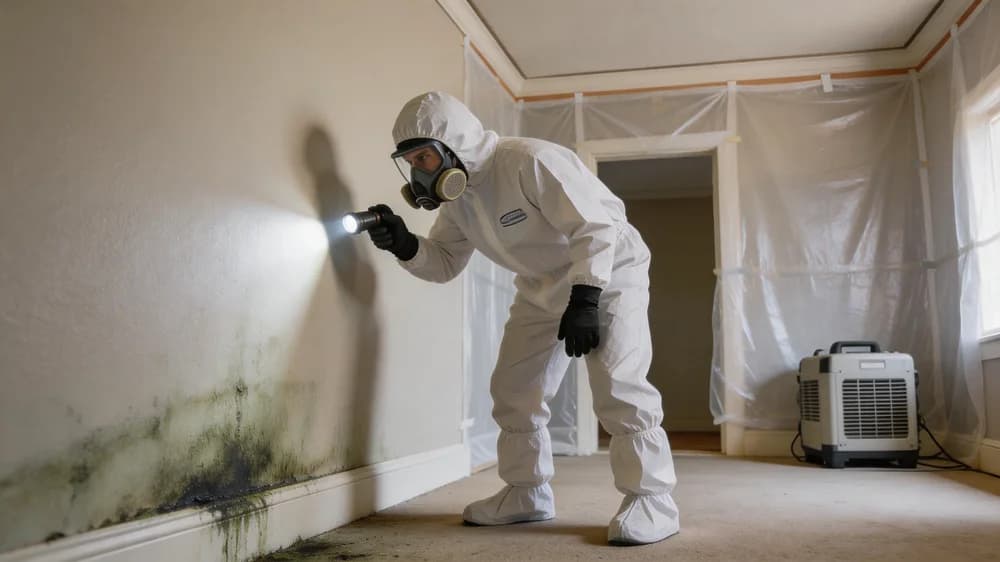
Professional mold remediation is a systematic process performed by trained specialists using specialized equipment to safely remove mold growth and prevent its return. Unlike simple cleaning or DIY mold removal attempts, professional mold remediation addresses both the visible mold and the underlying moisture problems that caused it. Professional remediation follows established protocols that include containment, air filtration, removal of contaminated materials, cleaning, and restoration. These technicians understand building science, moisture dynamics, and proper safety procedures. They use industrial-grade equipment like HEPA air scrubbers, negative air machines, and moisture meters that aren't available to typical homeowners. The process isn't just about killing mold—it's about removing it entirely and creating conditions where it can't return. Professionals also document their work, which can be valuable for insurance claims and real estate transactions.The Professional Mold Remediation Process Explained
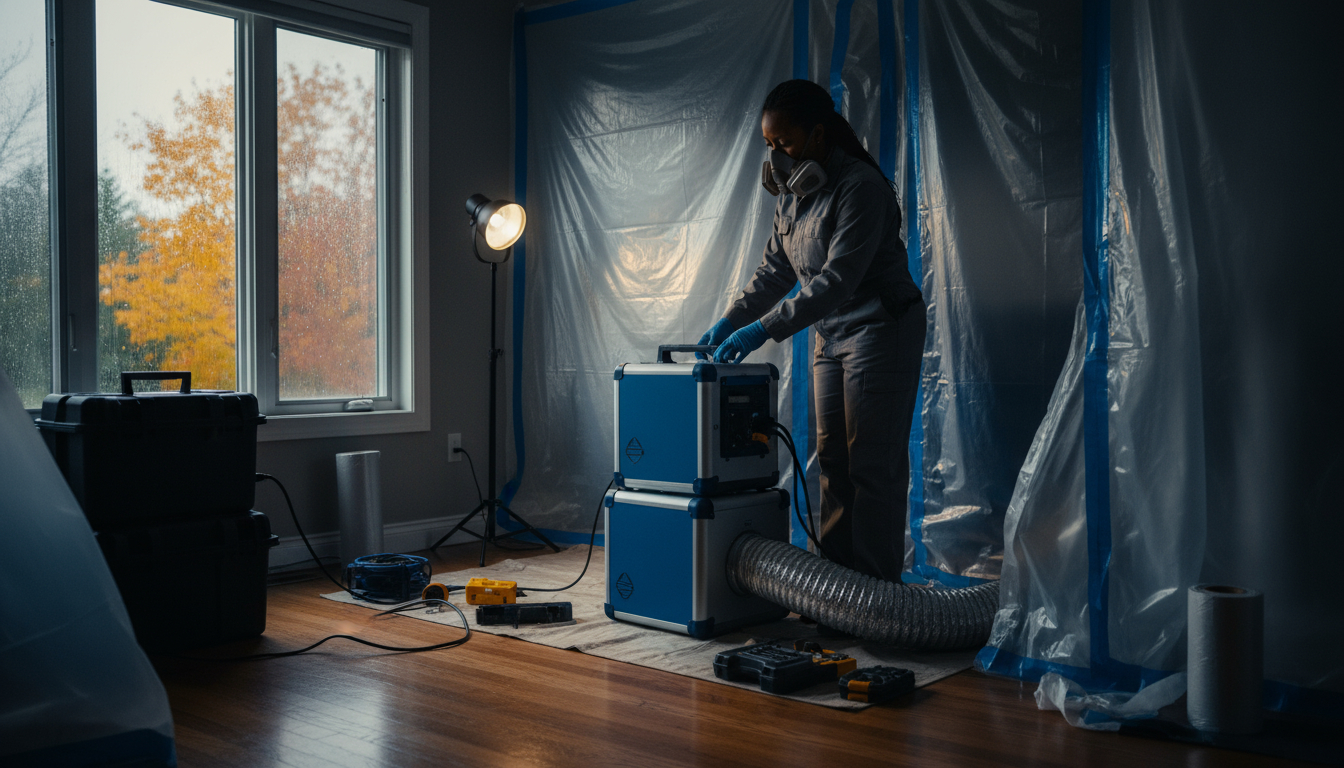 Understanding what professionals actually do during mold removal services helps you appreciate the complexity of proper mold remediation and why professional mold remediation differs significantly from DIY approaches.
Step 1: Inspection and Assessment
Certified technicians conduct a thorough inspection to identify all affected areas, including hidden growth. They use moisture meters, thermal imaging cameras, and air sampling to determine the extent of contamination. This assessment creates a roadmap for the entire remediation project.Step 2: Containment
Containment is critical to prevent mold spores from spreading to unaffected areas during removal. This is where professional mold remediation excels—professionals establish physical barriers using polyethylene sheeting and create negative air pressure chambers. This ensures that spores are captured and filtered rather than dispersed throughout your home.Step 3: Air Filtration
HEPA air scrubbers run continuously during remediation, capturing microscopic mold spores from the air. These machines can filter particles as small as 0.3 microns—far more effective than any consumer-grade equipment. Multiple air exchanges ensure the environment stays clean throughout the process.Step 4: Removal of Contaminated Materials
Porous materials that can't be effectively cleaned—such as drywall, insulation, and carpeting—are carefully removed and disposed of in sealed bags. This prevents spore release during transport. Non-porous surfaces are cleaned using antimicrobial treatments and specialized techniques.Step 5: Cleaning and Sanitization
All remaining surfaces undergo thorough cleaning with professional-grade antimicrobial and antifungal treatments. This includes structural elements, contents, and belongings. HEPA vacuuming removes any remaining spore particles from surfaces.Step 6: Moisture Control and Prevention
Professionals identify and address the moisture source that caused the mold growth. This might involve recommending repairs to leaks, improving ventilation, or installing dehumidification systems. Without moisture control, mold will inevitably return. In cases of water damage, addressing the source is the foundation of successful remediation.Step 7: Restoration
The final step involves rebuilding and restoring areas where materials were removed. This might include installing new drywall, painting, and replacing flooring to return your home to its pre-mold condition.DIY Mold Removal: When It's Appropriate and When Professional Mold Remediation Is Needed
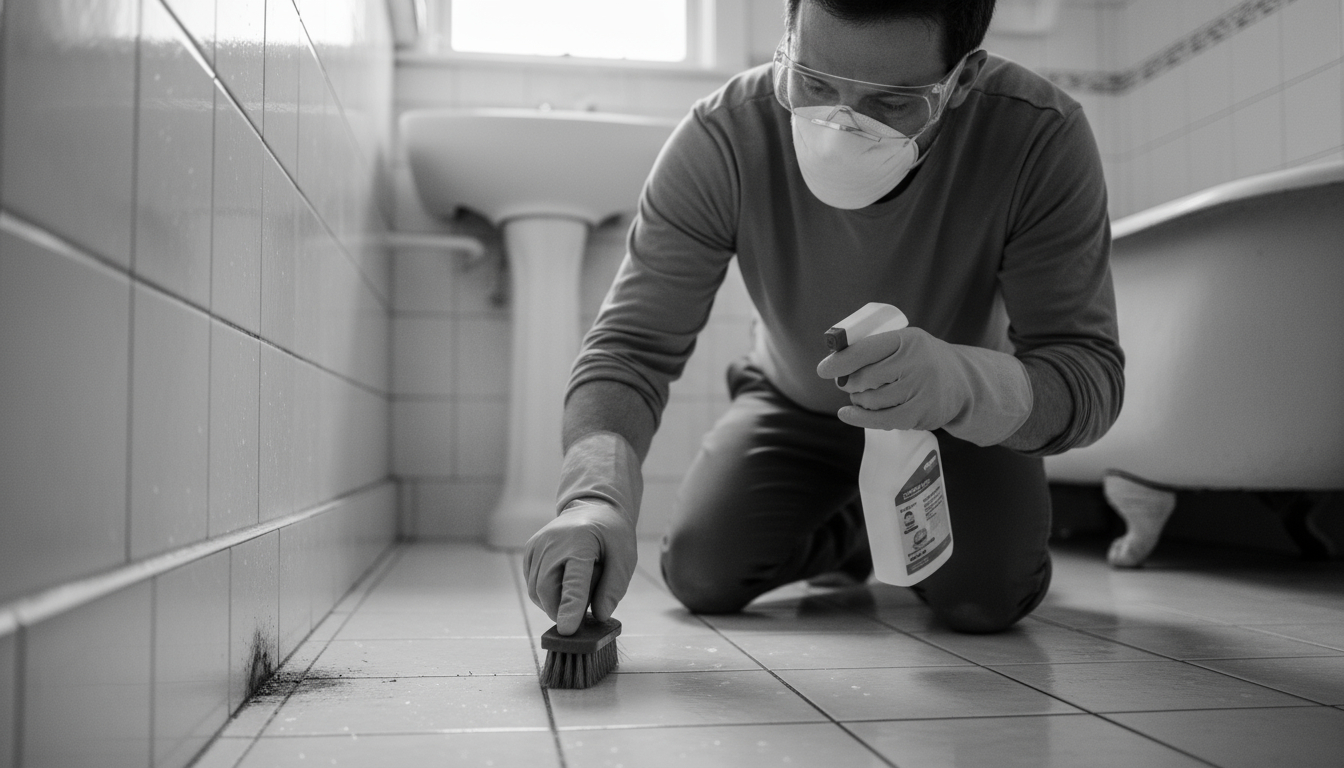 While many situations require professional intervention, some minor mold problems can be safely handled by homeowners. The key is understanding the boundaries of safe DIY mold removal and knowing when you're crossing into territory where professional mold remediation becomes necessary.
DIY is potentially appropriate when:
While many situations require professional intervention, some minor mold problems can be safely handled by homeowners. The key is understanding the boundaries of safe DIY mold removal and knowing when you're crossing into territory where professional mold remediation becomes necessary.
DIY is potentially appropriate when:
- The affected area is smaller than 10 square feet
- Mold is growing on non-porous surfaces (tile, glass, metal)
- The source moisture is clearly identified and easily fixed
- No one in your household has respiratory issues or compromised immunity
- The mold resulted from a minor, recent water incident
- You have proper safety equipment and cleaning supplies
DIY Mold Removal Supplies
If you're tackling a small mold problem yourself, you'll need proper equipment for safety and effectiveness. At minimum, this includes N95 respirator masks, rubber gloves that extend to mid-forearm, eye protection without ventilation holes, and old clothing that you can discard. For cleaning solutions, soap and water works for non-porous surfaces, while a mixture of detergent and water is effective for many materials. Avoid mixing cleaning chemicals, which can create dangerous fumes. Never use bleach on porous surfaces—it doesn't penetrate deeply enough to kill roots and can actually provide moisture for regrowth.Safe DIY Mold Removal Steps
For small areas under 10 square feet on non-porous surfaces, follow this process carefully:- Protect yourself: Wear your N95 mask, gloves, and eye protection before starting
- Isolate the area: Close doors and open windows to prevent spore spread and provide ventilation
- Fix the moisture source: Identify and repair what caused the mold before cleaning
- Clean thoroughly: Scrub all visible mold with detergent solution using a stiff brush
- Dry completely: Use fans to ensure the area dries fully within 24-48 hours
- Dispose carefully: Seal cleaning materials in plastic bags before throwing away
- Monitor the area: Check weekly for the next month to ensure mold doesn't return
When Professional Mold Remediation Is Essential
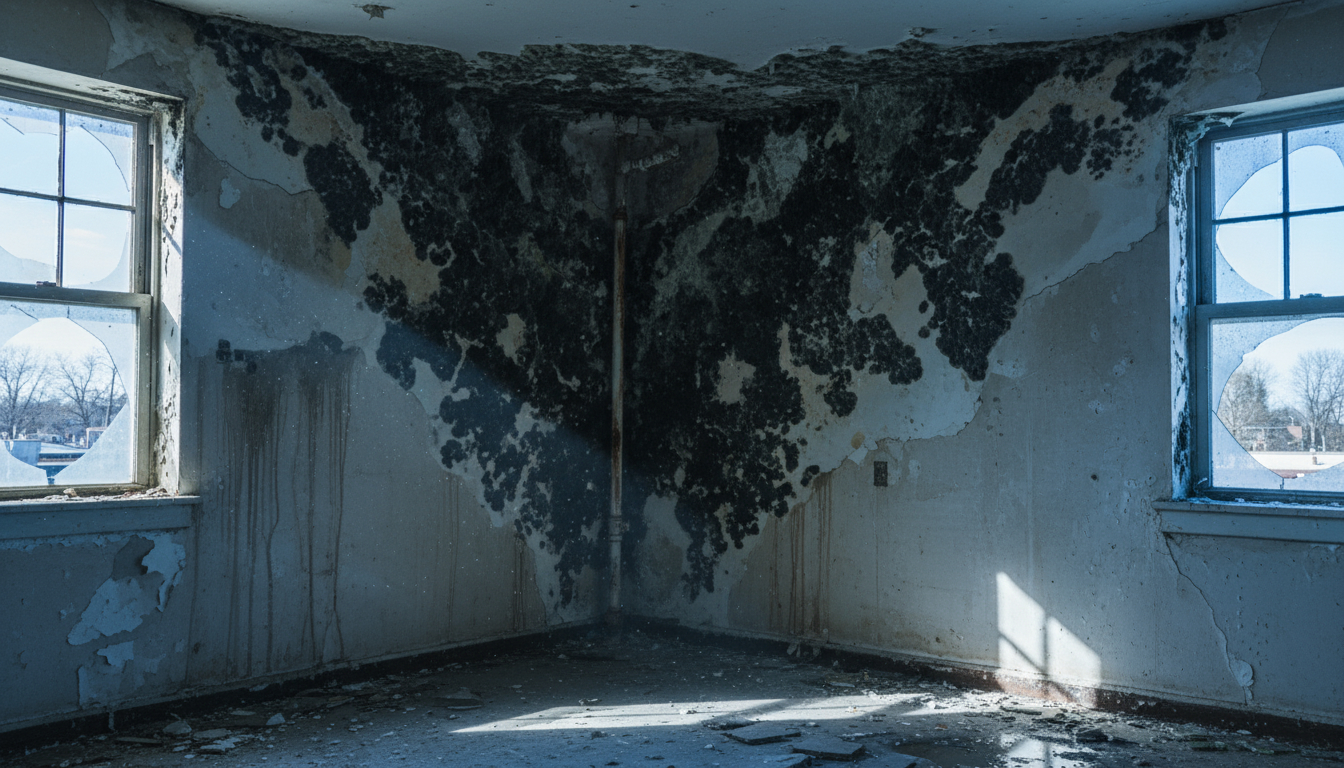 Certain situations require professional mold remediation regardless of your DIY skills or budget concerns. Attempting to handle these scenarios yourself can endanger your health, worsen the problem, or cause significant property damage. Professional mold remediation becomes non-negotiable in these circumstances.
| Situation | Why Professionals Are Needed | Potential DIY Risks |
|---|---|---|
| Area larger than 10 square feet | Requires containment and specialized equipment | Widespread spore contamination, incomplete removal |
| Mold in HVAC system | Can spread throughout entire home | Contamination of all living spaces, health hazards |
| Growth on porous materials | Requires complete material removal | Mold roots remain, rapid regrowth |
| Black mold (Stachybotrys) | Potentially toxic, requires specialized protocols | Severe health effects, liability issues |
| After major water damage | Extensive hidden growth likely | Structural damage, health hazards, regrowth |
| Health symptoms present | Indicates significant contamination | Worsening health conditions |
Comparing Safety Considerations
Safety represents perhaps the most significant difference between DIY mold removal and professional mold remediation approaches. While small-scale DIY work can be done safely with proper precautions, professional mold remediation operates under strict safety protocols that protect both workers and occupants.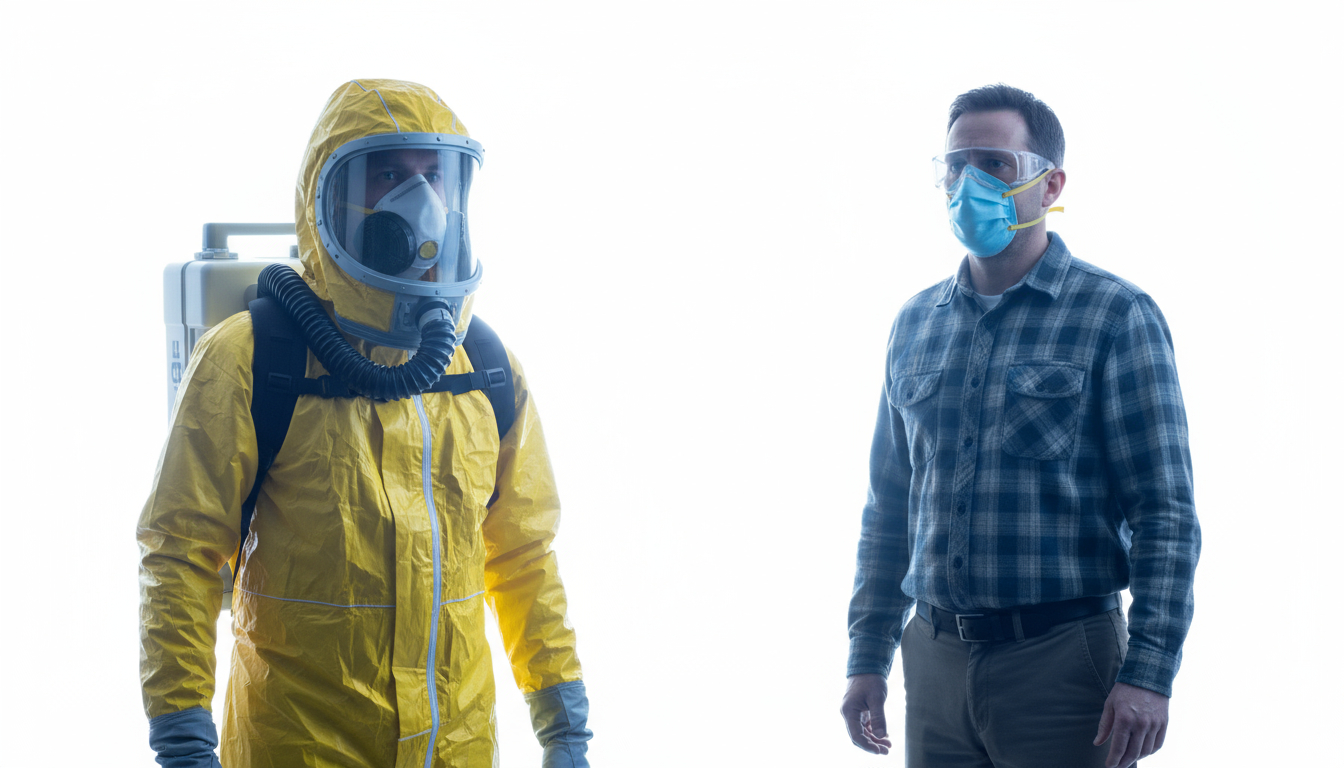
Professional Safety Standards
Professional mold remediation teams follow comprehensive safety protocols that go far beyond basic protection. Workers wear full protective suits, use respirators with appropriate filters, and implement containment systems that prevent cross-contamination. Their training includes understanding exposure limits, proper decontamination procedures, and emergency response protocols. Professionals also carry insurance that protects homeowners from liability if something goes wrong. This coverage extends to both property damage and potential health effects, providing a safety net that DIY approaches simply can't match.DIY Safety Limitations
Even with the best intentions and proper equipment, DIY mold removal has inherent safety limitations. Consumer-grade masks don't provide the same protection as professional respirators. Most homeowners lack the training to recognize when they're dealing with hazardous mold species or when exposure has exceeded safe levels. One major risk factor is disturbing mold during removal—this releases massive quantities of spores into the air. Without proper containment and air filtration, these spores spread throughout your home, potentially causing problems in areas that were previously unaffected. Professionals estimate that improper DIY mold removal increases contamination by 300-500% in many cases.Equipment and Tools: Professional vs. DIY
The equipment gap between professional and DIY approaches is substantial. While homeowners can purchase some basic tools, the specialized equipment professionals use represents a significant advantage in both effectiveness and safety.| Equipment Type | Professional Grade | DIY Available | Impact on Results |
|---|---|---|---|
| Air Filtration | HEPA air scrubbers, negative air machines | Consumer air purifiers | Professional: captures 99.97% of particles; DIY: limited effectiveness |
| Protective Gear | Full-body suits, powered respirators | N95 masks, basic gloves | Professional: complete protection; DIY: basic coverage only |
| Detection | Thermal cameras, moisture meters, air sampling equipment | Visual inspection only | Professional: identifies hidden growth; DIY: misses concealed mold |
| Containment | Negative pressure chambers, sealed barriers | Plastic sheeting, tape | Professional: prevents spore spread; DIY: limited containment |
Common Mistakes in DIY Mold Removal
Understanding where DIY mold removal efforts typically go wrong helps you either avoid these pitfalls or recognize when professional mold remediation is necessary. Many homeowners make these errors with the best intentions, not realizing the consequences until problems emerge later.Using Bleach on Porous Surfaces
Perhaps the most common mistake is using bleach to kill mold on drywall, wood, or other porous materials. While bleach kills surface mold on non-porous surfaces, it doesn't penetrate porous materials deeply enough to kill roots. The water in bleach actually provides moisture that can accelerate regrowth. This creates a situation where mold appears gone but returns within weeks.Inadequate Containment
Many DIYers fail to properly contain work areas, leading to spore spread throughout the home. Simply closing doors isn't enough—disturbed mold releases millions of spores that can travel through HVAC systems, under doors, and through other openings. Without negative pressure containment, you're potentially creating new problems while addressing the visible one.Ignoring the Moisture Source
Cleaning visible mold without fixing the underlying moisture problem guarantees its return. Mold is a symptom, not the disease. Whether it's a slow leak, poor ventilation, or humidity issues, the moisture source must be identified and corrected. This often requires investigation skills and building knowledge that most homeowners don't possess.Incomplete Removal
Surface cleaning often leaves mold spores and hyphae (root structures) behind in porous materials. These dormant elements can reactivate when conditions become favorable again. Effective remediation requires removing contaminated materials entirely, not just cleaning their surfaces.Insufficient Drying
After cleaning, affected areas must dry completely within 24-48 hours to prevent regrowth. Many homeowners underestimate the drying time needed, especially for materials like drywall and insulation. Professional equipment can accomplish in hours what might take days or weeks with household fans. 🏠 Home Tip: If you've attempted DIY mold removal and the problem returns within a month, it's a clear sign that professional mold remediation is needed. Repeated DIY attempts often make the problem worse by spreading spores while failing to address root causes.Health Risks: What You Need to Understand
Mold exposure affects different people in different ways, but the risks are real and shouldn't be minimized. Understanding these health implications helps you make informed decisions about whether to tackle mold yourself or call professionals. Common health effects from mold exposure include:- Respiratory symptoms: coughing, wheezing, shortness of breath
- Allergic reactions: sneezing, runny nose, red eyes, skin rash
- Asthma attacks in those with existing asthma
- Chronic sinus infections
- Fatigue and headaches
- Immune system suppression over time
Time Investment and Disruption Comparison
Beyond health and safety, practical considerations like time and household disruption factor heavily into the DIY versus professional decision. Understanding these impacts helps set realistic expectations for either approach.DIY Time Requirements
Small DIY projects might take 2-4 hours for cleaning and another 24-48 hours for drying and monitoring. However, this assumes everything goes smoothly—that you have all necessary supplies, don't encounter complications, and achieve successful removal on the first attempt. Many homeowners report spending 10-15 hours across multiple days for what seemed like a simple project. You'll also need time for shopping, preparation, cleanup, and ongoing monitoring. If DIY efforts fail and mold returns, you're starting over from scratch—plus potentially addressing spore contamination that resulted from your initial attempts.Professional Project Timelines
Professional mold remediation typically takes 1-5 days depending on project scope. While this might seem longer than DIY, professionals work efficiently with specialized equipment and don't require your active participation. They handle everything from setup through cleanup, allowing you to focus on your normal routine. Small projects might be completed in a single day, while extensive remediation requiring material removal and reconstruction could take a week or more. However, the work is done right the first time, with guarantees and documentation that DIY approaches can't provide.Documentation and Insurance Considerations
An often-overlooked aspect of the DIY versus professional decision involves documentation and insurance coverage. These factors can have significant financial and legal implications that extend well beyond the immediate mold problem.Professional Documentation Benefits
Professional mold remediation companies provide detailed documentation that serves multiple purposes. This includes pre-remediation assessments with photos, air quality testing results, detailed scope of work, daily progress reports, and post-remediation verification testing. This documentation proves valuable for insurance claims, real estate transactions, and establishing that work was done properly. When selling your home, disclosure laws in most states require you to reveal known mold problems. Professional remediation with proper documentation demonstrates that issues were addressed correctly, providing peace of mind to buyers and reducing liability concerns. DIY work typically lacks this documentation, which can complicate sales or raise red flags during inspections.Insurance Coverage Realities
Many homeowners insurance policies cover mold removal services under certain circumstances, particularly when mold results from a covered peril like a burst pipe. However, insurance companies typically require professional mold remediation to process claims. DIY work may not qualify for reimbursement and could even void coverage if improper removal causes additional damage. Before starting any mold removal project, contact your insurance company to understand your coverage and requirements. Some policies mandate specific procedures or certified contractors. Making this call before starting work can save thousands of dollars in uncovered expenses.Hidden Mold: Detection and Assessment
One of the most significant advantages of professional mold remediation is the ability to detect mold that isn't visible. Studies show that 60-70% of mold growth in homes is hidden behind walls, under flooring, above ceilings, or in other concealed spaces. This invisible mold often represents the larger portion of the problem. Professionals use thermal imaging cameras that detect temperature variations indicating moisture and potential mold growth. Moisture meters measure humidity levels within walls and other materials without creating damage. Air sampling can identify elevated spore counts even when no visible growth is present. These diagnostic capabilities go far beyond what homeowners can accomplish through visual inspection alone. Hidden mold explains why visible surface cleaning often fails to solve the problem. You might successfully clean bathroom tiles while remaining completely unaware of extensive growth in the wall cavity behind them. The visible mold was just the tip of the iceberg—the real problem remained untouched.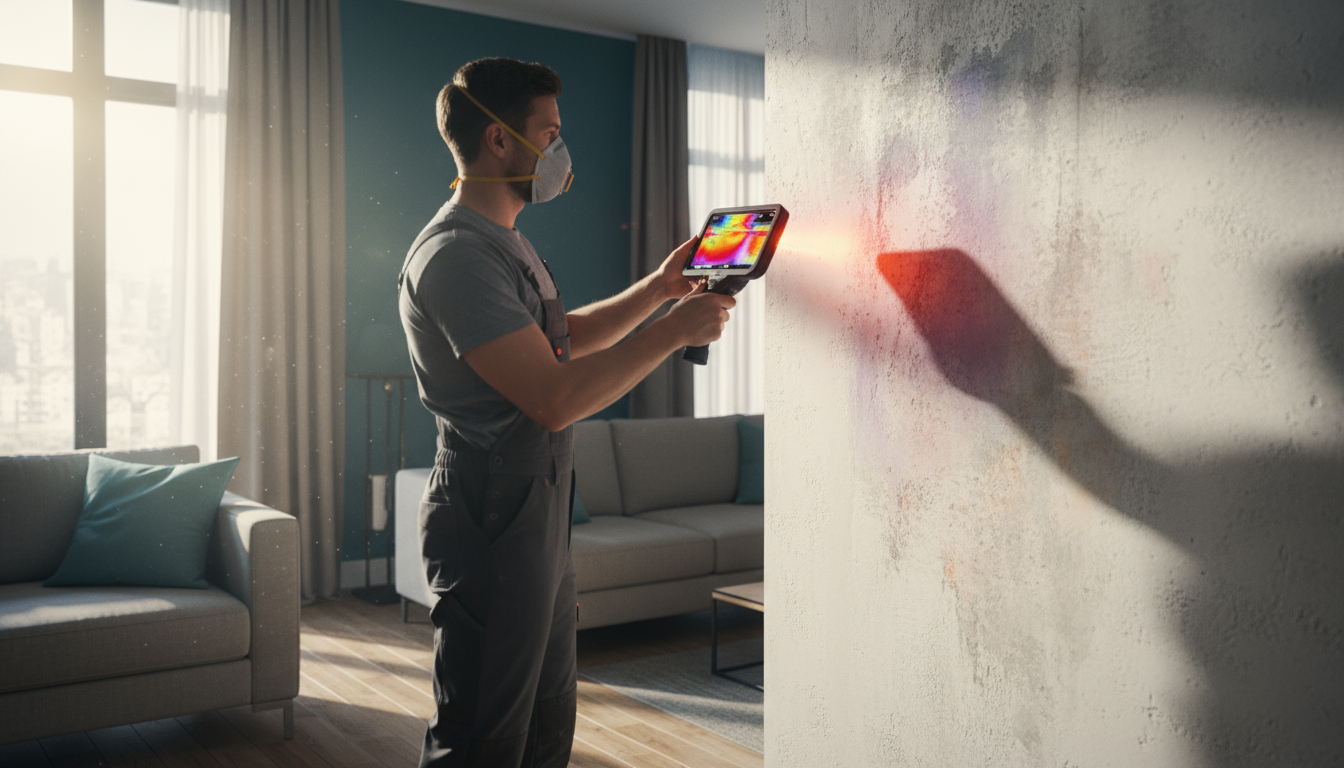
Long-Term Prevention: Professional Insights
Whether you choose professional mold remediation or determine that DIY mold removal is appropriate for your current mold problem, prevention is key to avoiding future issues. Professional mold remediation includes prevention strategies that address root causes, while DIY approaches often miss these critical elements. Essential mold prevention strategies include:- Maintaining indoor humidity below 60% (ideally 30-50%)
- Ensuring proper ventilation in bathrooms, kitchens, and laundry areas
- Fixing water leaks promptly—within 24-48 hours
- Improving air circulation in prone areas
- Directing downspouts and grading away from foundations
- Using mold-resistant products in high-moisture areas
- Regular HVAC maintenance and filter changes
Making Your Decision: Key Factors to Evaluate
Armed with comprehensive information about both approaches, you can now make an informed decision for your specific situation. Consider these factors carefully before proceeding with either DIY or professional remediation.Size and Scope Assessment
Honestly evaluate the extent of mold growth in your home. If it's larger than a 3-foot by 3-foot area, or you suspect hidden growth, professional assessment is warranted. Remember that visible mold often represents only part of the problem—what you can't see might be more extensive than what you can.Location Considerations
Where mold is growing matters tremendously. Surface mold on a non-porous bathroom tile is fundamentally different from mold on drywall, in carpeting, or within your HVAC system. Porous materials and HVAC contamination require professional intervention regardless of size.Health Status Evaluation
Consider the health status of everyone in your household. If anyone has respiratory conditions, immune system issues, or mold sensitivities, professional mold remediation protects your family's wellbeing. The risks of improper DIY work are magnified when vulnerable individuals are present.Moisture Source Identification
Can you clearly identify and easily fix the moisture source causing the mold? If the cause isn't obvious or the fix requires significant repairs, professional mold remediation ensures that underlying problems are properly addressed. Moisture control is 80% of successful mold remediation.Time and Capability Assessment
Be realistic about your skills, available time, and access to proper equipment. DIY mold removal requires physical effort, attention to detail, and consistent safety practices. If you're uncertain about any aspect or lack necessary equipment, professionals provide peace of mind and guaranteed results.What to Expect from Professional Mold Remediation Services
If you decide that professional mold remediation is the right choice, understanding what to expect helps you prepare and evaluate service providers effectively.Initial Consultation and Inspection
Reputable companies offer free or low-cost initial inspections to assess your situation. During this visit, technicians identify all affected areas, measure moisture levels, and may conduct air sampling. They'll explain findings clearly and provide a detailed scope of work outlining necessary steps.Written Estimates and Timelines
Professional services provide written estimates that break down the work involved. This should include inspection findings, remediation procedures, expected timeline, and what's covered under any warranties. Be wary of companies that can't or won't provide detailed written estimates.Licensing and Insurance Verification
Before hiring any professional service, verify that they carry appropriate licensing for your area and maintain both liability and workers' compensation insurance. Request certificates of insurance and don't hesitate to contact the insurer to confirm coverage is current.Communication Throughout the Process
Quality remediation companies maintain regular communication throughout the project. They'll explain each phase as it happens, adjust plans if new issues are discovered, and keep you informed of progress. You should never feel left in the dark about what's happening in your home.Post-Remediation Verification
After professional mold remediation is complete, technicians conduct verification testing to confirm that mold has been successfully removed and air quality has returned to normal levels. This objective testing provides assurance that remediation was effective and your home is safe for occupancy.Red Flags: When to Question Professional Services
While professional remediation is often necessary, not all companies operate with equal integrity or competence. Watch for these warning signs when evaluating potential service providers. ⚠️ Important: Be cautious of companies that insist on immediate work without proper assessment, refuse to provide written estimates, or pressure you to make quick decisions. Reputable professionals understand that homeowners need time to evaluate options and make informed choices. Additional red flags include:- Unwillingness to provide references or proof of licensing
- Quotes that seem dramatically lower than competitors
- Claims they can remove mold without addressing moisture sources
- Refusal to explain their process or answer questions
- Lack of proper equipment or safety gear
- No mention of containment or air filtration
- Guarantees that seem too good to be true
The Middle Ground: Professional Assessment with DIY Execution
For some situations, a hybrid approach offers the best balance between managing expenses and ensuring effective remediation. This involves hiring professionals for assessment and planning while handling execution yourself under their guidance. This middle ground between full professional mold remediation and complete DIY mold removal can work for certain scenarios. In this model, professionals inspect your property, identify all affected areas including hidden mold, test for species if needed, and create a detailed remediation plan. They provide specific instructions on containment, removal procedures, safety requirements, and verification steps. You then execute this plan yourself, potentially with follow-up professional testing to confirm success. This approach works best for moderately sized projects (10-30 square feet) where DIY is technically feasible but professional expertise ensures nothing is missed. It provides the confidence that comes from professional assessment while reducing overall expense. However, it still requires that you have proper equipment, physical capability, and time to execute the plan safely.Mold Remediation Cost Considerations and Investment Mindset
While specific pricing varies based on project scope, geography, and other factors, understanding the general investment landscape for professional mold remediation versus DIY mold removal helps frame your decision-making process appropriately.Understanding Value Beyond Initial Expense
The investment in proper mold remediation—whether DIY mold removal or professional mold remediation—should be viewed in context of what's at stake. Inadequate remediation leads to recurring problems, potential health effects, and decreased property value. Quality professional mold remediation, conversely, protects your home's value, ensures family health, and prevents future expenses. Professional services include value elements that DIY cannot match: insurance coverage, documentation, warranties, specialized equipment, expert knowledge, and verification testing. When evaluating options, consider the total value package rather than focusing solely on immediate expense.Factors Affecting Investment Requirements
Multiple variables influence what you'll invest in mold remediation regardless of approach. These include the size of affected area, extent of structural damage, accessibility of mold growth, type of materials involved, whether contents can be salvaged, and necessary reconstruction work.| Project Complexity | Typical Duration | DIY Feasibility | Professional Value |
|---|---|---|---|
| Small surface mold (under 10 sq ft) | 1-2 days | Generally feasible with proper precautions | Ensures complete removal, provides verification |
| Moderate growth (10-30 sq ft) | 2-3 days | Risky without expertise | Proper containment, hidden mold detection |
| Extensive contamination (over 30 sq ft) | 3-7+ days | Not recommended | Essential for safety, effectiveness, documentation |
| HVAC system involvement | 2-5 days | Requires professional handling | Prevents whole-home contamination |
Hidden Costs of Inadequate Remediation
Failed DIY mold removal attempts carry hidden expenses that often exceed the investment in professional mold remediation from the start. These include the time value of repeated attempts, supplies and equipment that prove inadequate, potential property damage from improper techniques, health impacts from exposure, decreased home value if problems persist, and eventually hiring professionals anyway—but now with a more complicated situation. One homeowner reported spending several hundred dollars on equipment and supplies across three DIY attempts before finally hiring professionals. The professional assessment revealed that mold extended far beyond the visible area and involved structural elements requiring replacement. The homeowner's DIY efforts had actually spread contamination to previously unaffected areas, increasing the scope and investment required for proper remediation. Similar to how inadequate cleanup after fire and smoke damage can worsen conditions, improper mold remediation creates cascading problems.Special Considerations for Different Property Types
The DIY versus professional decision can vary based on your property type and specific circumstances. What works for a single-family home might not be appropriate for other situations.Rental Properties
Landlords have legal obligations to provide safe housing, which typically means professional mold remediation is necessary for documentation and liability protection. Most jurisdictions require landlords to address mold issues promptly, and DIY mold removal approaches rarely meet these requirements. Professional documentation protects both property owners and tenants.Condominiums and HOAs
Shared walls and systems in condominiums mean that mold in one unit can affect neighbors. Many homeowners' associations require professional remediation to ensure problems don't spread through shared structures. Review your HOA requirements before attempting DIY work.Commercial Properties
Commercial properties almost always require professional mold remediation due to liability concerns, occupational health regulations, and the potential for business disruption. Professional mold removal services for commercial properties minimize downtime while ensuring compliance with relevant regulations.Historic or High-Value Homes
Properties with historic significance or high market value warrant professional mold remediation to protect their value and ensure proper restoration of original materials. Specialists experienced with historic properties understand preservation techniques that typical DIY mold removal approaches don't address.Frequently Asked Questions
How can I tell if mold growth requires professional remediation or if I can handle it myself?
The 10-square-foot rule is a good starting point—anything larger than a 3x3 area requires professional mold remediation. However, also consider location (HVAC systems always need professionals), material type (porous materials like drywall typically need removal), and whether anyone in your home has health sensitivities. If mold appears after major water damage or you can smell musty odors without seeing mold, these indicate hidden growth that requires professional assessment. When in doubt, at least get a professional inspection to understand the full scope.
What are the biggest risks of attempting DIY mold removal on a project that should be handled professionally?
The primary risks include spreading mold spores throughout your home during removal, incomplete removal that allows rapid regrowth, health exposure to potentially toxic mold species, and property damage from improper techniques. Many DIYers disturb mold without proper containment, releasing millions of spores into living spaces and creating new problems in previously unaffected areas. Additionally, you may miss hidden mold entirely, addressing only visible symptoms while the underlying problem continues spreading within your walls or other concealed spaces.
How long does professional mold remediation typically take compared to DIY approaches?
Professional mold remediation usually takes 1-5 days depending on project scope, with small projects often completed in a single day. While this might seem longer than DIY cleaning that takes a few hours, professional work is comprehensive and permanent. DIY mold removal attempts often require multiple sessions across several weeks as problems recur, ultimately consuming more time than professional services. Professionals also handle setup, containment, removal, cleaning, and verification in one coordinated effort rather than the piecemeal approach typical of DIY work.
Will my insurance cover professional mold remediation, or am I better off handling it myself to save money?
Many homeowners insurance policies cover professional mold remediation when it results from a covered event like a burst pipe or storm damage. However, insurers typically require professional remediation and documentation for claims processing. DIY mold removal work usually isn't eligible for reimbursement and might even void coverage if improper removal causes additional damage. Contact your insurance company before starting any mold work to understand your coverage requirements and potential reimbursement. In many cases, professional mold remediation is partially or fully covered, making it more affordable than you might expect.
What should I look for when choosing a professional mold remediation company?
Look for companies with proper licensing for your state, comprehensive liability and workers' compensation insurance, and willingness to provide detailed written estimates. They should use professional equipment including HEPA air scrubbers and moisture meters, follow established containment protocols, and offer post-remediation verification testing. Request references from recent projects and verify their reputation through online reviews. Be wary of companies that pressure immediate decisions, offer quotes dramatically lower than competitors, or can't clearly explain their process and timeline.
Can I start with DIY mold removal and call professionals later if needed, or will that make the problem worse?
Starting with DIY mold removal can significantly complicate later professional mold remediation if not done correctly. Disturbing mold without proper containment spreads spores throughout your home, potentially contaminating previously unaffected areas. This increases the scope and investment required for professional mold removal services. If you're unsure whether you can handle it yourself, start with professional assessment rather than DIY attempts. Many companies offer free or low-cost inspections that clearly define the problem scope, allowing you to make an informed decision about DIY versus professional mold remediation before any work begins.
Taking Action: Your Next Steps
Whether you've decided on professional mold remediation or determined that DIY mold removal is appropriate for your situation, taking prompt action is essential. Mold doesn't improve on its own—it only spreads and worsens with time. For DIY mold removal projects meeting safe criteria, gather proper safety equipment before starting and carefully follow established protocols for containment, removal, and drying. Set clear criteria for when you'll stop and call professionals if the project exceeds initial expectations. Monitor the treated area weekly for at least a month to catch any regrowth early. If you've determined that professional mold remediation services are necessary, contact multiple companies for assessments and estimates. Don't rush the decision—take time to evaluate providers, verify credentials, and understand exactly what's included. Ask questions until you're completely comfortable with the approach and timeline. For urgent situations, look for companies that offer 24-hour emergency services to address mold problems quickly. Remember that mold remediation isn't just about removing visible growth—it's about creating a healthier home environment for your family. Whether you choose DIY or professional services, the investment in proper mold remediation protects both your property value and your family's wellbeing for years to come.Contact Advanced DRI for Professional Mold Assessment
At Advanced DRI, we understand that discovering mold in your home creates stress and uncertainty. Our team of experienced technicians provides thorough mold assessments to help you understand exactly what you're dealing with and the best path forward. We use advanced detection equipment to identify both visible and hidden mold, providing clear explanations and honest recommendations. Whether you need a simple consultation to determine if DIY is appropriate or comprehensive professional remediation, we're here to help. Our detailed assessments include moisture source identification, air quality testing, and complete documentation—everything you need to make an informed decision about your home. Don't let mold concerns keep you up at night. Contact Advanced DRI today for a professional mold assessment. We'll provide clear answers, realistic solutions, and the peace of mind that comes from knowing you're working with experienced restoration specialists who prioritize your family's health and your property's safety.Categories
Need Restoration Services?
Our team is available 24/7 for emergency response. Call us today for a free phone consultation.
Questions About Restoration?
Our experts are ready to help. Contact us for a free consultation.