
Emergency & Specialty Services
Ice Dam Damage on Fairfield Roofs: Prevention and Restoration
December 13, 202512 min read
R
Rob Temples· Operations Manager, Emergency Services (Fairfield, NJ & New York City)
Rob Temples manages emergency restoration operations for Advanced DRI's Fairfield, NJ and New York City service areas. With 10 years in the restoration industry and prior experience working for a general contractor, he integrates construction knowledge with mitigation expertise on every project and holds an IICRC Water Restoration Technician (WRT) certification.
10+ years experienceIICRC Water Restoration Technician (WRT)
Published December 13, 2025 · Updated May 27, 2026

Discover how to handle an ice dam roof leak in Fairfield NJ. Learn prevention tips, damage repair solutions, and when to call restoration professionals.
Why Fairfield Homes Are Vulnerable to Ice Dam Formation
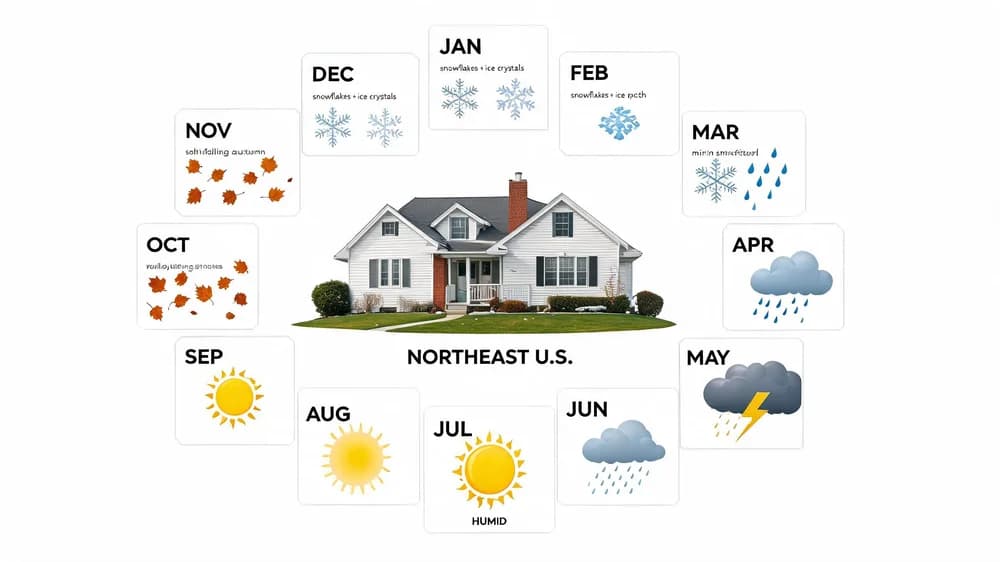
Fairfield's location in Essex County exposes properties to the full intensity of northeastern winters, making an ice dam roof leak in Fairfield NJ a common winter emergency. The combination of significant snowfall, temperature fluctuations, and older housing stock creates ideal conditions for ice dam development. Many homes in the area were built decades ago with attic insulation standards that don't meet modern energy efficiency requirements, making them particularly susceptible to water damage when a roof leaking from ice becomes a reality. Understanding ice dam prevention is essential for these older properties. The freeze-thaw cycles common throughout January and February accelerate ice dam formation. Daytime temperatures may climb above freezing, melting accumulated snow, while nighttime drops cause rapid refreezing at roof edges. This ongoing cycle builds increasingly larger ice formations that eventually cause a roof leaking from ice situation that demands immediate ice dam damage repair. Fairfield homeowners who experience ice dam problems during these peak winter months need to act quickly to minimize ice dam water damage.Recognizing the Warning Signs of Ice Dam Water Damage
Identifying ice dam water damage early can mean the difference between minor repairs and extensive restoration work. Homeowners should watch for these indicators during and after winter storms:| Warning Sign | What It Indicates | Urgency Level |
|---|---|---|
| Large icicles hanging from gutters | Ice dam formation in progress | Moderate - Monitor closely |
| Water stains on ceilings or walls | Active water intrusion from ice dam | High - Immediate action needed |
| Ice buildup on exterior walls | Water overflow from blocked gutters | Moderate to High |
| Musty odors in attic spaces | Moisture accumulation and potential mold | High - Professional assessment needed |
| Peeling paint near roofline | Ongoing moisture exposure | Moderate - Schedule inspection |
How to Prevent Ice Dams Before Winter Arrives
Understanding ice dam prevention starts with addressing the root cause: heat loss from your living space into the attic. When warm air escapes into attic spaces, it raises roof surface temperatures and triggers the melting that leads to ice dam formation. Fairfield homeowners can take several proactive measures to protect their properties. Proper attic insulation is the foundation of ice dam prevention. Ensuring adequate insulation—typically R-49 to R-60 for Northern New Jersey—keeps heat where it belongs and maintains a cold roof surface. Sealing air leaks around ceiling fixtures, attic hatches, plumbing vents, and electrical penetrations prevents warm air from escaping and contributes significantly to learning how to prevent ice dams effectively. Homeowners who master proper insulation techniques rarely experience ice dam problems. Adequate attic ventilation works in tandem with insulation to maintain consistent roof temperatures. Soffit vents allow cold air to enter at the eaves, while ridge vents or roof vents let warm air escape at the peak. This airflow prevents heat buildup that would otherwise melt accumulated snow unevenly. For Fairfield homes with complex rooflines or dormers, professional assessment ensures ventilation systems function properly.Immediate Prevention Steps for Existing Homes
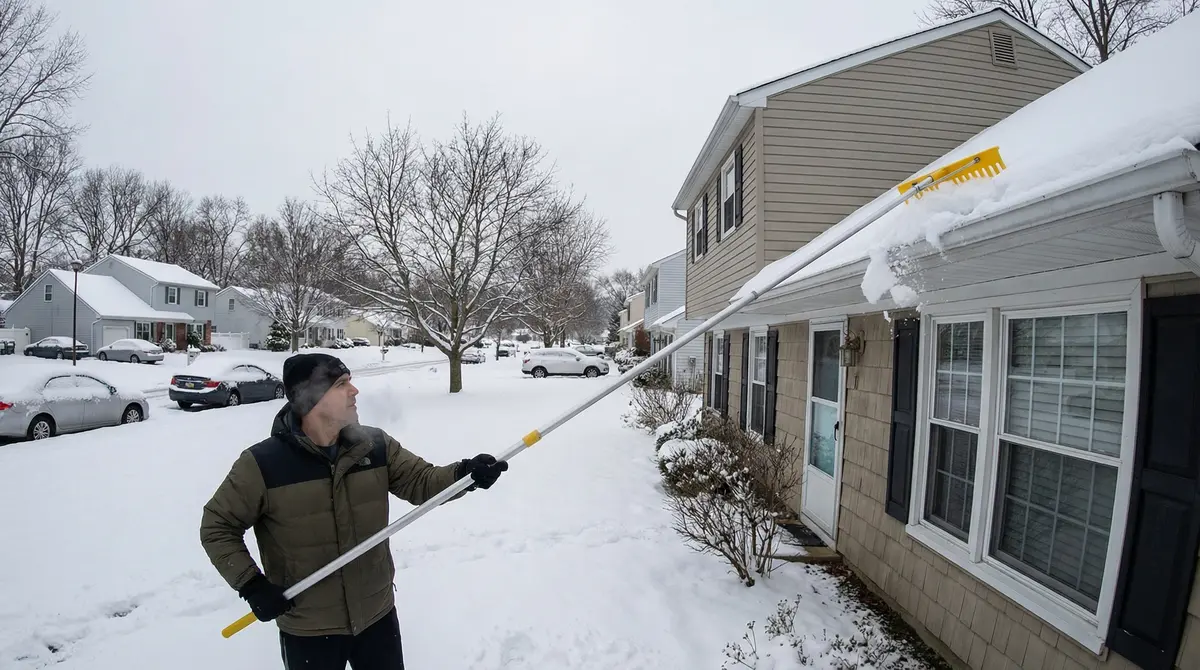
While comprehensive attic improvements provide long-term protection, several measures offer immediate help for homeowners concerned about ice dam formation this winter:- Roof raking after heavy snowfall - Removing snow from the lower three to four feet of your roof eliminates the material that forms ice dams. Use a roof rake from ground level to avoid ladder hazards.
- Checking attic floor insulation - Ensure insulation isn't compressed or displaced, particularly around access hatches and mechanical equipment.
- Sealing obvious air leaks - Apply weatherstripping to attic hatches and seal gaps around pipes and wires with appropriate materials.
- Keeping gutters clear - While clean gutters won't prevent ice dams entirely, they improve drainage when melting occurs.
Professional Ice Dam Damage Repair: What to Expect
When ice dam roof leaks affect Fairfield NJ homes, professional restoration becomes essential. Ice dam damage repair involves more than simply fixing visible problems—it requires addressing moisture that has penetrated building materials and preventing mold development in affected areas. Expert restoration services understand the unique challenges that ice dam water damage presents in Northern New Jersey homes. The ice dam damage repair process typically begins with emergency water extraction if active leaking is occurring. Technicians use industrial-grade equipment to remove standing water and begin drying affected materials before secondary damage develops. This immediate response is critical because mold can begin growing within 24 to 48 hours of water exposure. Following extraction, comprehensive drying addresses moisture trapped in insulation, framing, and drywall. Professional-grade dehumidifiers and air movers work continuously to achieve proper moisture levels throughout affected areas. Moisture meters and thermal imaging help technicians identify hidden pockets of dampness that could cause problems later. This thorough approach ensures complete restoration rather than surface-level fixes.The Hidden Dangers of Delayed Ice Dam Response
Ignoring a roof leaking from ice situation creates cascading problems that grow more expensive with each passing day. Without prompt professional response, water that enters through compromised roofing saturates insulation, reducing its effectiveness and adding weight to ceiling structures. Prolonged moisture exposure weakens drywall, causes wood rot in framing members, and creates ideal conditions for mold colonies to establish. Mold growth resulting from ice dam water damage presents serious health concerns for occupants. Spores spread through HVAC systems and can trigger respiratory issues, allergic reactions, and other health problems—particularly in children, elderly residents, and those with existing conditions. Professional remediation becomes necessary once mold establishes, adding significant cost to what might have been a straightforward water damage restoration project. Structural concerns also escalate when ice dam leaks continue unchecked. Repeated freeze-thaw cycles expand any water that has penetrated roof sheathing or framing, causing cracks and further compromising structural integrity. What begins as a minor leak can eventually require extensive roof repair and structural restoration work.Insurance Considerations for Ice Dam Claims
Most homeowner's insurance policies cover sudden and accidental water damage from ice dams, though coverage details vary significantly between providers. Understanding your policy before winter arrives helps ensure smooth claims processing if restoration becomes necessary. Typically, interior damage from an ice dam roof leak in Fairfield NJ qualifies for coverage, while the cost of removing the ice dam itself may not. Documenting damage thoroughly supports successful claims. Photograph affected areas, save samples of damaged materials when safe to do so, and maintain records of all communication with your insurance company. Working with professional restoration services that understand insurance processes can simplify claims and ensure proper documentation throughout the repair process.Long-Term Solutions for Fairfield Properties
While emergency response addresses immediate repair needs, long-term solutions prevent recurring problems. Fairfield homeowners who understand how to prevent ice dams through structural improvements can avoid the expense and stress of repeated water damage. Consider these upgrades for lasting protection against future ice dam incidents: Ice and water shield membrane installed beneath roofing materials provides a secondary barrier against water intrusion. Building codes in many areas now require this protection along eaves, but older Fairfield homes may lack this important safeguard. Adding this membrane during roof replacement offers excellent protection. Heated cable systems installed along roof edges and in gutters maintain clear drainage paths even during extended cold periods. While these systems consume electricity, they provide reliable prevention for homes with challenging rooflines or persistent ice dam problems. Professional installation ensures proper placement and safe operation. Comprehensive attic air sealing combined with upgraded insulation addresses the fundamental cause of ice dams. This investment improves year-round energy efficiency while eliminating the heat loss that triggers ice dam formation. Many utility companies offer rebates for insulation upgrades, offsetting some project costs.When to Call Restoration Professionals
Knowing when professional help is needed can prevent minor issues from becoming major restoration projects. Contact disaster restoration specialists immediately if you notice:- Active water dripping from ceilings or walls
- Sagging or discolored ceiling areas
- Water pooling in attic spaces
- Musty odors developing in upper floors
- Visible mold growth on any surfaces
Protecting Your Fairfield Home This Winter
Ice dams represent one of winter's most significant threats to Northern New Jersey homes, but understanding prevention and response strategies empowers homeowners to protect their properties. Learning how to prevent ice dams through proper insulation, ventilation, and snow management reduces risk substantially. When problems do occur, recognizing warning signs and acting quickly limits damage and repair costs. For Fairfield residents dealing with an ice dam roof leak in Fairfield NJ or concerned about potential water intrusion, professional assessment provides peace of mind and clear direction. Whether you need emergency restoration or want to implement long-term prevention solutions, experienced professionals can help you navigate winter's challenges. Don't let a roof leaking from ice compromise your home's safety and value—take action before minor issues become major restoration projects.Frequently Asked Questions About Ice Dam Damage
How quickly can water damage from ice dams lead to mold growth?
Mold can begin developing within 24 to 48 hours of water exposure in favorable conditions. Ice dam water damage creates exactly these conditions—moisture trapped in insulation, drywall, and framing provides the organic material mold needs to thrive. This rapid timeline makes prompt response to any roof leaking from ice essential for preventing mold-related complications.
Does homeowner's insurance cover ice dam damage repair?
Most standard homeowner's policies cover interior damage caused by ice dams, including water-damaged ceilings, walls, and flooring. However, the cost of removing the actual ice dam and repairing roof damage may not be covered under all policies. Review your specific coverage with your insurance agent and document all damage thoroughly for claims purposes.
What is the most effective approach to prevent ice dams?
The most effective approach to learning how to prevent ice dams involves understanding the underlying cause: heat loss from living spaces into the attic. Proper insulation, thorough air sealing, and adequate ventilation address this root cause. While roof raking and heated cables help manage symptoms, only reducing heat loss provides true prevention.
Can I remove ice dams myself, or should I hire professionals?
While roof raking from ground level is safe for homeowners, removing established ice dams typically requires professional assistance. Using picks, hammers, or salt to remove ice can damage shingles and void roof warranties. Professional ice dam removal services use steam or specialized techniques that clear ice without harming roofing materials.
How do I know if I have hidden water damage from ice dams?
Hidden ice dam water damage often reveals itself through subtle signs: musty odors in upper floors, paint bubbling or peeling near the roofline, or unexplained increases in humidity. Professional inspection using moisture meters and thermal imaging can detect concealed moisture before visible damage appears, allowing for targeted ice dam damage repair.
Categories
Need Restoration Services?
Our team is available 24/7 for emergency response. Call us today for a free phone consultation.

Questions About Restoration?
Our experts are ready to help. Contact us for a free consultation.