
Water Damage from HVAC Condensation: Causes and Solutions
Tyler McClelland leads mitigation operations for Advanced DRI across New York's Hudson Valley, directing water, mold, and large-loss response in the field. He holds IICRC Water Restoration Technician (WRT) and Applied Microbial Remediation Technician (AMRT) certifications and a New York State Mold Supervisor certification, and is trained in IRCA hospital safe construction practices recognized by The Joint Commission.
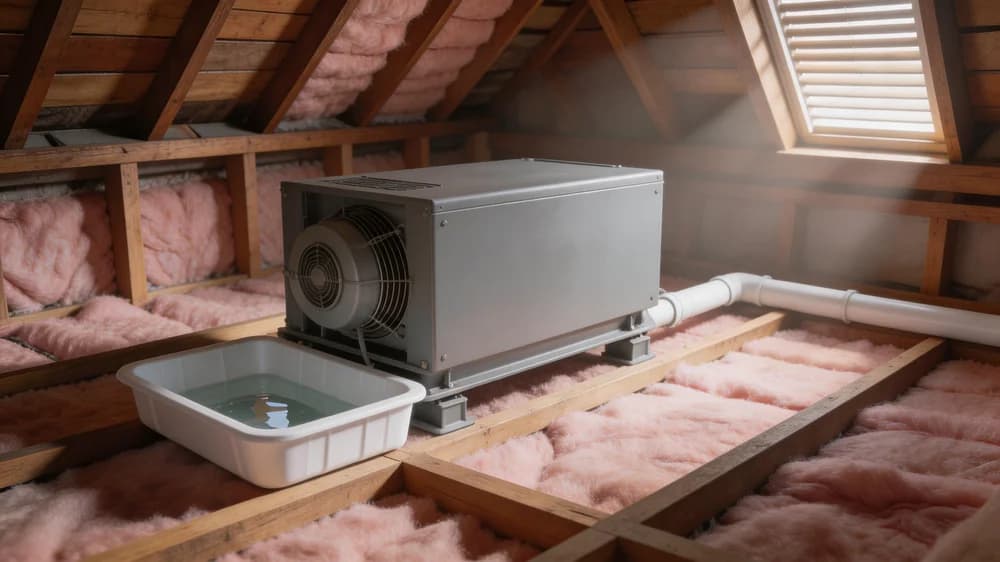
HVAC condensation problems cause hidden water damage in ceilings, walls, and floors. Advanced DRI explains the causes, warning signs, and professional restorati
The Hidden Water Damage Risk in Your HVAC System
Most homeowners do not realize that their air conditioning system is one of the largest sources of water production in their home. During the cooling season, a typical residential HVAC system can generate 5 to 20 gallons of condensation per day, depending on the humidity level, system size, and run time. That water is designed to drain away safely through a condensation line, but when the system malfunctions, those gallons end up in your ceilings, walls, floors, and attic spaces.
At Advanced DRI, we respond to HVAC-related water damage calls throughout New York, New Jersey, Pennsylvania, and Connecticut every summer. These incidents are particularly damaging because they often go undetected for extended periods, allowing moisture to saturate building materials and create ideal conditions for mold growth.
How HVAC Condensation Water Damage Occurs
Clogged Condensation Drain Lines
The condensation drain line carries water from the air handler's drain pan to a floor drain, exterior discharge point, or utility sink. Over time, algae, mold, dust, and debris accumulate inside the drain line, restricting and eventually blocking water flow. When the line clogs, the drain pan fills and overflows, sending water into whatever is below the air handler, often a ceiling, attic floor, or closet.
Cracked or Corroded Drain Pans
The drain pan beneath the evaporator coil catches condensation and directs it to the drain line. Older pans made of galvanized steel can rust through, while plastic pans can crack from age and temperature changes. A compromised drain pan allows water to bypass the drain system entirely and fall directly onto building materials below.
Disconnected or Improperly Pitched Drain Lines
Condensation drain lines rely on gravity to move water to the discharge point. If the line sags, develops a reverse pitch, or becomes disconnected at a joint, water pools in the line and backs up into the drain pan. Vibration from the air handler, shifting of the equipment, or poor initial installation can all cause these issues.
Frozen Evaporator Coils
When evaporator coils freeze due to low refrigerant levels, restricted airflow, or blower motor problems, a large volume of ice forms on the coil. When the system cycles off or is turned off for repair, the ice melts rapidly, often overwhelming the drain pan capacity and flooding the area around and below the air handler.
Ductwork Condensation
In humid climates like the Northeast during summer, supply ductwork running through hot attic spaces or unconditioned crawl spaces can develop condensation on the exterior surface. Insufficient duct insulation allows the cold air inside the duct to cool the duct surface below the dew point of the surrounding air, causing water to drip from the ductwork onto ceilings, insulation, and framing below.
Oversized HVAC Systems
An HVAC system that is oversized for the space cools quickly but runs in short cycles. Short cycling does not allow the system to run long enough to effectively dehumidify the air, resulting in elevated indoor humidity that promotes condensation on cold surfaces and can contribute to moisture problems throughout the home.
Warning Signs of HVAC Condensation Damage
Watch for these indicators that your HVAC system may be causing water damage:
- Water stains on ceilings below the air handler: Brown or yellowish rings or spreading stains on the ceiling directly below or near the air handler location are the most common visible sign.
- Dripping from ceiling vents or registers: Water dripping from supply registers indicates condensation on the ductwork or at the register boot connection.
- Musty odors when the system runs: A musty smell that intensifies when the HVAC system is operating can indicate mold growth in the drain pan, on the evaporator coil, or in the ductwork.
- Water pooling around the indoor air handler: Visible water on the floor around a basement or closet-mounted air handler signals a drain line or pan problem.
- Elevated humidity despite AC operation: If your home feels humid even with the air conditioning running, the system may not be dehumidifying properly, or condensation is being reintroduced into the living space.
- Sagging or discolored drywall: Ceiling or wall areas near HVAC equipment or ductwork that appear warped, sagging, or discolored may be absorbing moisture from a condensation problem above.
Prevention: Keeping Your HVAC System Dry
Regular maintenance is the most effective defense against HVAC condensation damage:
Clear the Condensation Drain Line
Have your HVAC technician clear the condensation drain line during annual maintenance. Between service visits, you can pour a cup of white vinegar or a mild bleach solution into the drain line access port monthly during the cooling season to inhibit algae and mold growth. Ensure the line flows freely by checking the exterior discharge point for steady dripping when the system is running.
Inspect the Drain Pan
Check the primary and secondary drain pans annually for cracks, corrosion, and proper alignment. If the drain pan shows signs of deterioration, replace it before the cooling season begins.
Install a Safety Switch
A condensation overflow safety switch, also called a float switch, shuts off the HVAC system if the drain pan fills beyond a safe level. This prevents overflow and alerts you to a drain line problem before damage occurs. Many building codes now require these switches for attic-mounted air handlers.
Insulate Ductwork in Unconditioned Spaces
All supply ductwork running through attics, crawl spaces, and other unconditioned areas should be properly insulated to prevent surface condensation. The insulation should be vapor-sealed to prevent humid air from reaching the cold duct surface.
Maintain Proper Refrigerant Levels
Low refrigerant levels cause the evaporator coil to operate below freezing, leading to ice formation and subsequent flooding when the ice melts. Annual HVAC maintenance should include a refrigerant level check.
Change Air Filters Regularly
Dirty air filters restrict airflow across the evaporator coil, which can cause the coil to freeze and also reduces the system's dehumidification effectiveness. Change filters every one to three months during the cooling season, depending on the filter type and household conditions.
How Advanced DRI Restores HVAC Condensation Damage
When HVAC condensation causes water damage, our water damage restoration team takes a comprehensive approach:
We begin by working with your HVAC technician to resolve the mechanical issue causing the condensation problem. There is no value in drying and restoring materials if the source of water is not corrected first.
Our technicians use thermal imaging and moisture meters to map the full extent of moisture migration from the HVAC system. Condensation water often travels along framing members, through insulation, and into wall cavities far from the original point of overflow.
We deploy commercial dehumidification and air movement equipment to dry all affected materials. For attic installations, this may require accessing the attic space and targeting insulation, sheathing, and framing. For closet or basement installations, we address adjacent wall cavities, flooring, and subfloor materials.
If mold is discovered during the assessment or drying process, our mold remediation team handles the contamination using proper containment and removal protocols.
Once the structure is fully dried and verified, we repair or replace all damaged materials, including drywall, insulation, ceiling finishes, and any affected flooring.
When to Call for Professional Help
Contact Advanced DRI if you notice any signs of HVAC condensation damage, especially water stains on ceilings, musty odors, or visible mold near your HVAC equipment. The longer condensation damage goes unaddressed, the more extensive and costly the restoration becomes. Our team is available 24/7 and serves homeowners across NY, NJ, PA, and CT. Contact us today for a professional assessment.
Frequently Asked Questions
How much condensation does an air conditioner produce?
A typical residential air conditioning system produces between 5 and 20 gallons of condensation per day during the cooling season in the Northeast. High-humidity days and larger systems produce more. This volume is normally handled by the condensation drain system, but any failure in that system can result in significant water release into the building structure.
Can a clogged AC drain line cause mold?
Yes. A clogged condensation drain line is one of the most common causes of mold growth we encounter. When the drain pan overflows, water saturates ceiling materials, insulation, and wall cavities. These areas remain damp and hidden, creating ideal conditions for mold colonization. Mold can begin growing within 24 to 48 hours of the initial moisture exposure.
Is HVAC condensation damage covered by insurance?
Coverage depends on the circumstances and your specific policy. Sudden failures, such as a drain pan that cracks and causes an immediate overflow, are typically covered as sudden and accidental damage. However, damage resulting from long-term lack of maintenance or gradual deterioration may be excluded. Advanced DRI provides thorough documentation to support your claim regardless of the cause.
How can I tell if my ductwork is sweating?
Check exposed ductwork in your attic, basement, or crawl space during hot and humid days when the AC is running. If you see water droplets on the exterior surface of the ducts, or water stains on materials below the ductwork, the ducts are condensating and need additional insulation. Address this promptly to prevent ongoing water damage to surrounding materials.
Categories
Need Restoration Services?
Our team is available 24/7 for emergency response. Call us today for a free phone consultation.


Questions About Restoration?
Our experts are ready to help. Contact us for a free consultation.