Water Damage Restoration
Vacation Home Water Damage in Toms River: Risks of Unoccupied Properties
December 20, 202511 min read
T
Tyler McClelland· Mitigation Manager, Hudson Valley Region (NY)
Tyler McClelland leads mitigation operations for Advanced DRI across New York's Hudson Valley, directing water, mold, and large-loss response in the field. He holds IICRC Water Restoration Technician (WRT) and Applied Microbial Remediation Technician (AMRT) certifications and a New York State Mold Supervisor certification, and is trained in IRCA hospital safe construction practices recognized by The Joint Commission.
IICRC Water Restoration Technician (WRT), IICRC Applied Microbial Remediation Technician (AMRT), NY State Mold Supervisor Certification, Lead RRP Certification, OSHA Bloodborne Pathogens Training, IRCA Hospital Safe Construction Practices (TJC), Large Loss Mastery Estimating CertifiedLinkedIn
Published December 20, 2025 · Updated May 27, 2026

Prevent home flood in Toms River vacation properties. Tips for empty house pipe burst, second home water damage, and unoccupied house flooding.
Why Unoccupied Properties Face Greater Water Damage Risks
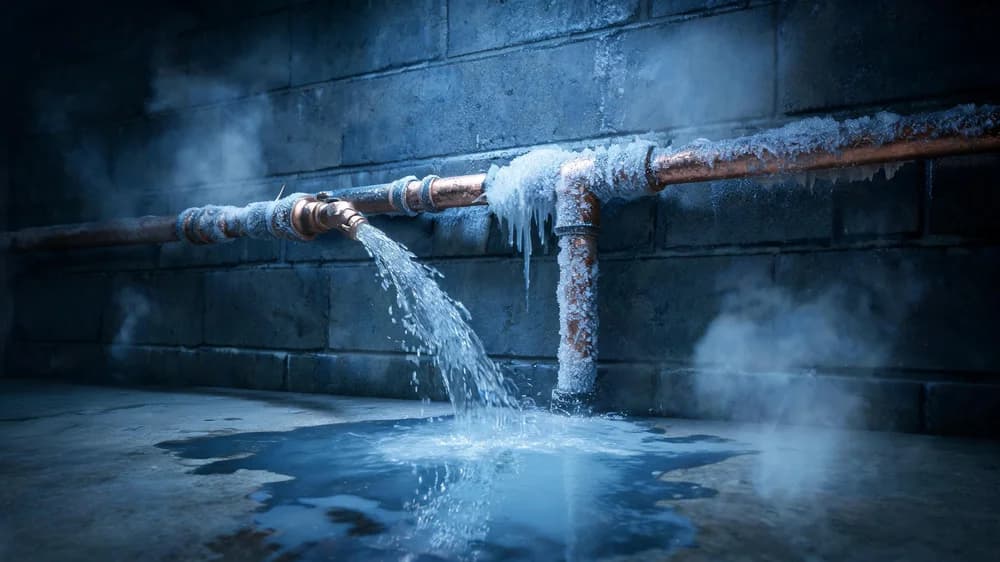
When a property sits empty, small problems become catastrophic ones. A home flood in Toms River that would be caught within minutes in an occupied residence can run undetected for days or weeks in a vacant home. Second home water damage often proves far more extensive than similar incidents in occupied residences simply because of delayed discovery. Several factors compound the vulnerability of vacation properties to a home flood in Toms River. Without regular foot traffic, warning signs go unnoticed. Musty odors from developing mold, damp carpet near appliances, or the sound of running water behind walls—all indicators that would prompt immediate action from an occupant—continue unchecked in empty homes. Temperature fluctuations present another major concern for any home flood in Toms River situations. The area experiences significant seasonal variation, and vacation homes without proper climate control become susceptible to pipe failures. An empty house pipe burst during a January cold snap can release hundreds of gallons per hour, flooding multiple floors before anyone realizes something is wrong.
💡 Pro Tip: Install smart water leak sensors near water heaters, washing machines, and under sinks to prevent a home flood in Toms River. These devices send immediate alerts to your smartphone when moisture is detected, allowing rapid response even when you're miles away.
Common Causes of Home Flood in Toms River Vacation Properties
Understanding what triggers a home flood in Toms River helps property owners implement targeted prevention measures. Vacation homes face several common culprits that can lead to catastrophic water emergencies.Plumbing System Failures
Aging pipes represent the leading cause of a home flood in Toms River requiring professional restoration. Vacation properties often have plumbing systems that sit stagnant for months at a time. This inactivity can accelerate corrosion, weaken pipe joints, and allow sediment buildup that increases pressure on older components. Supply line connections to toilets, washing machines, and refrigerator ice makers fail with surprising frequency. These flexible hoses deteriorate over time and can rupture without warning, causing a home flood in Toms River vacation properties. In an occupied home, the resulting flood would be caught quickly. In a vacant property, an empty house pipe burst of this type can run for days.Water Heater Malfunctions
Water heaters contain between 40 and 80 gallons of water and operate continuously, even in unoccupied homes. Tank corrosion, pressure relief valve failures, and sediment-related damage can cause sudden leaks or complete tank failures. When these units are located in finished spaces or upper floors, the resulting home flood in Toms River properties can affect multiple rooms and levels.Appliance Breakdowns
Dishwashers, washing machines, and refrigerators with water connections all pose home flood in Toms River risks. Seal degradation, hose failures, and drain line clogs can release significant water volumes. Many vacation homeowners make the mistake of leaving appliances connected while away, creating ongoing vulnerability to a home flood in Toms River situation.Storm and Weather Events
Ocean County's coastal location exposes properties to nor'easters, hurricanes, and severe thunderstorms that can cause a home flood in Toms River. Beach house water damage NJ homeowners experience often stems from wind-driven rain entering through compromised roofing, siding, or window seals. Storm surge and flooding present additional home flood in Toms River risks for properties near waterways and low-lying areas. Unoccupied house flooding during storm events proves particularly devastating because owners cannot implement protective measures like moving valuables to upper floors or deploying sandbags around entry points.The Hidden Cost of Delayed Detection
A home flood in Toms River increases in severity exponentially with time. What begins as a manageable cleanup can transform into a major restoration project within 24 to 48 hours. Understanding this timeline helps vacation homeowners appreciate why monitoring systems and regular property checks matter when preventing a home flood in Toms River.| Time Since Water Intrusion | Damage Progression | Typical Response Required |
|---|---|---|
| 0-24 Hours | Surface moisture, initial absorption into drywall and flooring | Water extraction, surface drying |
| 24-48 Hours | Mold spore activation begins, materials swell and warp | Structural drying, antimicrobial treatment |
| 48-72 Hours | Active mold growth, material degradation accelerates | Mold remediation, material removal |
| 1+ Week | Structural damage, widespread contamination, odor saturation | Extensive restoration, possible reconstruction |
Prevention Strategies for Vacation Homeowners
Protecting an unoccupied property from a home flood in Toms River requires both physical preparation and monitoring systems. Implementing multiple layers of protection provides the best defense against unoccupied house flooding scenarios and potential home flood in Toms River emergencies.Winterization Procedures
If your vacation home will be vacant during cold months, proper winterization prevents freeze-related failures that cause a home flood in Toms River. This includes draining water supply lines, adding antifreeze to drain traps, shutting off the main water supply, and ensuring the heating system maintains temperatures above 55°F. Many beach house water damage NJ cases occur when owners assume mild coastal temperatures eliminate freezing risks. However, Toms River regularly experiences below-freezing conditions during winter months, and properties without adequate insulation or heating remain vulnerable.Smart Monitoring Technology
Modern technology offers vacation homeowners unprecedented ability to monitor their properties remotely and prevent a home flood in Toms River. Consider installing water leak detectors near all plumbing fixtures and appliances, temperature sensors that alert when interior conditions approach freezing, smart water shutoff valves that automatically stop flow when leaks are detected, and security cameras that allow visual property checks. These home flood in Toms River prevention systems range from basic battery-powered sensors to comprehensive whole-home monitoring platforms. The investment typically proves minimal compared to potential restoration costs from water damage.
⚠️ Important: Smart monitoring systems require reliable internet and power connections. Consider battery backup for critical sensors and ensure your internet service remains active during extended absences.
Regular Property Inspections
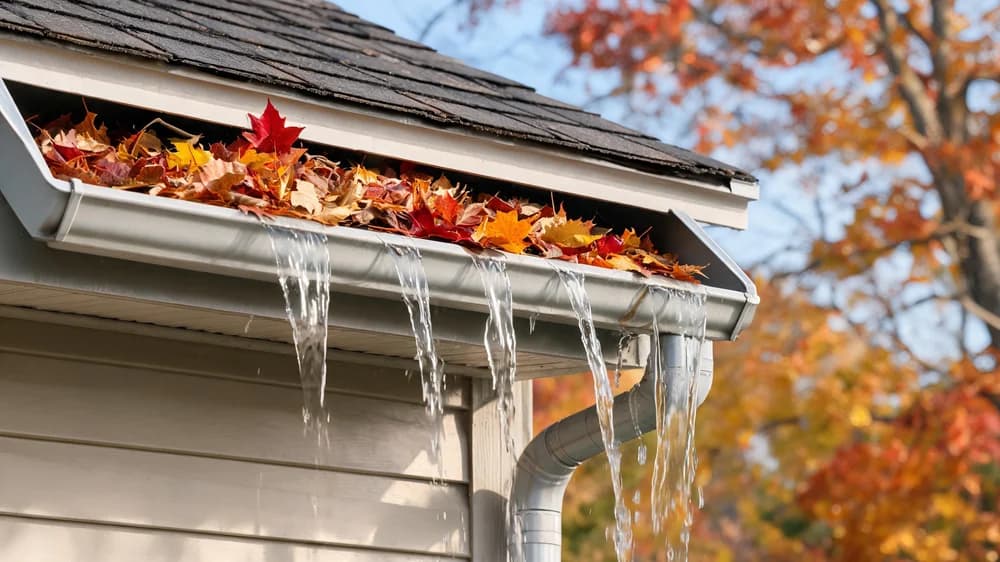
Technology supplements but cannot replace physical property checks to prevent a home flood in Toms River. Arrange for trusted neighbors, property management services, or family members to inspect your vacation home regularly. Weekly checks during high-risk seasons and monthly inspections during moderate periods help catch developing problems before they escalate. Inspectors should check for visible leaks or moisture, unusual odors suggesting hidden water or mold, proper HVAC operation, functioning sump pumps if applicable, and roof and gutter condition after storms that could cause a home flood in Toms River.Plumbing System Maintenance
Proactive plumbing maintenance reduces the likelihood of a home flood in Toms River significantly. Before extended absences, consider replacing supply lines older than five years, having the water heater inspected and flushed, checking all visible pipes for corrosion or damage, and testing shutoff valves to ensure they function properly. Many homeowners choose to shut off the main water supply entirely when leaving for extended periods. While this eliminates most home flood in Toms River scenarios, it requires draining the system properly to prevent stagnant water issues.What to Do When You Discover Water Damage
Despite best prevention efforts, a home flood in Toms River sometimes occurs. Knowing how to respond minimizes damage and protects your property from extensive harm. First, shut off the water supply immediately if the source is plumbing-related during a home flood in Toms River. Then, turn off electricity to affected areas if water levels are significant—this prevents electrical hazards. Document the damage thoroughly with photos and videos for insurance purposes. Contact your insurance company promptly to report the incident and understand your coverage. Then, reach out to professional water damage restoration services. Attempting DIY cleanup often proves inadequate for significant incidents, and delays in proper drying can lead to mold growth requiring additional remediation. Professional restoration teams use industrial equipment to extract standing water, dehumidification systems to remove moisture from structural materials, antimicrobial treatments to prevent mold development, and thermal imaging to locate hidden moisture pockets.Insurance Considerations for Vacation Properties
Standard homeowners insurance policies often have different provisions for vacation homes versus primary residences when it comes to a home flood in Toms River. Understanding your coverage before an incident occurs prevents unwelcome surprises during the claims process. Many policies include vacancy clauses that limit or exclude coverage for a home flood in Toms River when properties are left unoccupied beyond a specified period, typically 30 to 60 days. Some insurers require separate vacation home policies with different terms and premiums. Review your policy's coverage for a home flood in Toms River specifically. Some policies exclude certain types of water intrusion, such as flood damage from external sources versus internal plumbing failures. Flood insurance, purchased separately through the National Flood Insurance Program, may be necessary for comprehensive protection—particularly for properties in flood-prone coastal areas.
🏠 Home Tip: Notify your insurance company about extended vacancy periods and any monitoring systems you've installed. Some insurers offer premium discounts for smart water detection systems, and keeping your insurer informed helps ensure valid coverage.
Protecting Your Toms River Investment
Your vacation property represents both a financial investment and a source of cherished experiences. Protecting it from a home flood in Toms River requires understanding the unique risks unoccupied homes face and implementing appropriate safeguards. The combination of proactive maintenance, smart monitoring technology, regular inspections, and proper insurance coverage creates comprehensive protection against a home flood in Toms River. While no strategy eliminates risk entirely, these measures significantly reduce the likelihood of severe damage and ensure rapid response when problems do occur. For vacation homeowners in Ocean County and throughout the Jersey Shore region dealing with a home flood in Toms River, local restoration professionals understand the specific challenges coastal properties face. From salt air corrosion to humidity-related mold growth, regional expertise matters when protecting and restoring your property.How often should I check on my vacation home to prevent a home flood in Toms River?
+
During winter months and hurricane season, weekly checks are recommended. During moderate weather periods, monthly inspections typically suffice. If you cannot visit personally, arrange for a trusted neighbor, family member, or property management service to conduct checks on your behalf.
Should I shut off the water when leaving my beach house vacant?
+
For absences longer than a few weeks, shutting off the main water supply significantly reduces the risk of a home flood in Toms River. However, you must drain the system properly to prevent stagnant water and ensure the water heater is either drained or set to vacation mode. If you maintain heating during winter, consider leaving water on with leak detection systems instead.
What temperature should I keep my vacation home during winter?
+
Maintain interior temperatures at a minimum of 55°F to prevent pipe freezing and a home flood in Toms River. Properties with plumbing in exterior walls or poorly insulated areas may require higher temperatures. Smart thermostats with remote monitoring allow you to track conditions and adjust settings from anywhere.
Does homeowners insurance cover a home flood in Toms River vacation properties?
+
Coverage for a home flood in Toms River varies significantly between policies. Many standard policies include vacancy clauses limiting coverage after 30 to 60 days of unoccupancy. Review your policy carefully and consider specialized vacation home coverage. External flood damage typically requires separate flood insurance regardless of occupancy status.
How quickly does mold develop after a home flood in Toms River?
+
Mold spores can begin growing within 24 to 48 hours after a home flood in Toms River under favorable conditions. The coastal humidity accelerates this timeline. Any water damage discovered after more than a day requires professional assessment to check for mold development, even if visible growth is not yet apparent.
Categories
Need Restoration Services?
Our team is available 24/7 for emergency response. Call us today for a free phone consultation.

Questions About Restoration?
Our experts are ready to help. Contact us for a free consultation.