Grease Fire Damage in Homes: Cleanup and Restoration Steps
Rob Temples manages emergency restoration operations for Advanced DRI's Fairfield, NJ and New York City service areas. With 10 years in the restoration industry and prior experience working for a general contractor, he integrates construction knowledge with mitigation expertise on every project and holds an IICRC Water Restoration Technician (WRT) certification.
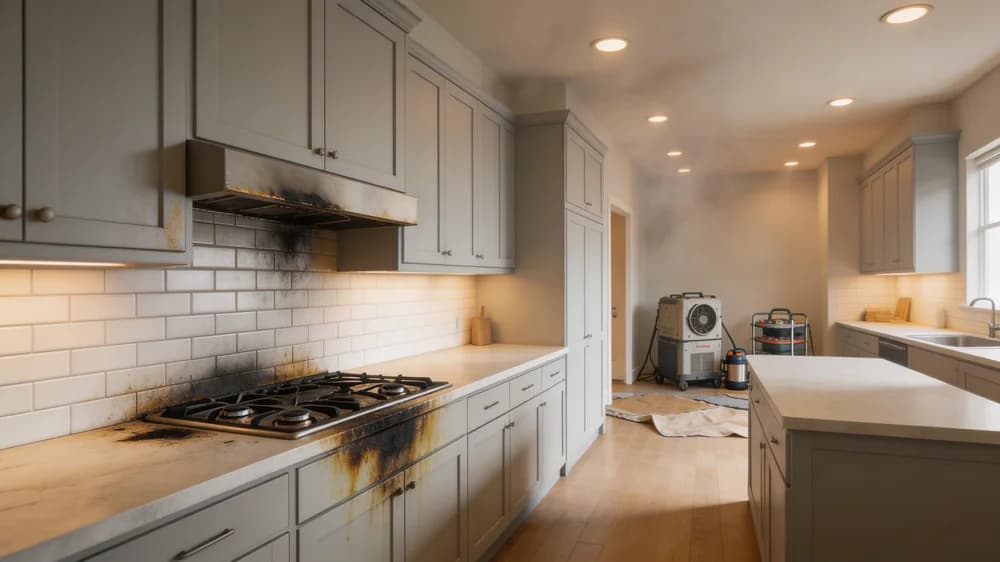
Learn the essential cleanup and restoration steps after a grease fire in your home. Advanced DRI explains how to safely restore your kitchen and property.
Understanding Grease Fire Damage in Residential Kitchens
Grease fires are among the most common and destructive kitchen emergencies in homes across New York, New Jersey, Pennsylvania, and Connecticut. When cooking oil reaches its flash point, the resulting fire produces extreme heat that can exceed 600 degrees Fahrenheit, causing damage that extends far beyond the stovetop. At Advanced DRI, we respond to grease fire incidents regularly and understand the unique challenges these fires present for homeowners.
Unlike other types of house fires, grease fires produce a particularly stubborn form of soot and residue. The oily byproducts bond aggressively to surfaces, making DIY cleaning attempts largely ineffective and sometimes counterproductive. Understanding the proper restoration process is essential for returning your home to a safe and livable condition.
Why Grease Fire Damage Requires Professional Attention
Many homeowners underestimate the scope of damage a grease fire causes. Even a fire that appears contained to the stovetop can produce far-reaching effects throughout the kitchen and adjacent rooms. Here is what makes grease fire damage particularly challenging:
- Oily soot residue: Grease fires produce protein-based soot that smears when wiped, embedding deeper into porous surfaces with each cleaning attempt.
- Intense heat damage: Countertops, cabinetry, and appliances near the fire source may suffer warping, melting, or structural compromise.
- Pervasive odor: Burnt grease odor penetrates walls, ceilings, fabrics, and HVAC systems, lingering for months without professional treatment.
- Hidden contamination: Smoke and soot travel through wall cavities, ductwork, and behind appliances where they remain invisible but continue to degrade air quality.
Our fire damage restoration team uses specialized techniques designed specifically for the unique residues that grease fires leave behind.
Immediate Steps After a Grease Fire
If you have experienced a grease fire in your home, taking the right steps immediately afterward can significantly affect the outcome of the restoration process.
Ensure Safety First
Before addressing any damage, confirm that the fire is fully extinguished and that your local fire department has cleared the property for re-entry. Check for structural damage to floors and ceilings, and turn off gas lines if they were affected. Do not use electrical outlets in the fire-affected area until an electrician has inspected the wiring.
Ventilate the Space
Open windows and doors to allow fresh air circulation, but avoid using your HVAC system. Running the heating or cooling system can spread soot and smoke residue throughout your entire home via the ductwork. Our team often finds that well-intentioned HVAC use after a kitchen fire dramatically increases the scope and cost of restoration.
Avoid DIY Cleaning Attempts
Resist the urge to scrub soot-covered surfaces. Protein-based residues from grease fires react differently than standard soot. Wiping or scrubbing can push the residue deeper into porous materials, making professional removal more difficult. Do not use water on grease-stained soot, as this can cause further smearing and permanent staining.
The Professional Grease Fire Restoration Process
At Advanced DRI, we follow a systematic approach to grease fire restoration that addresses every aspect of the damage. Here is what our process involves:
1. Comprehensive Damage Assessment
Our certified technicians conduct a thorough inspection of the entire property, not just the kitchen. We use thermal imaging and air quality testing to identify hidden smoke and soot contamination in walls, ceilings, HVAC ducts, and adjacent rooms. This assessment forms the basis of a detailed restoration plan.
2. Soot and Residue Removal
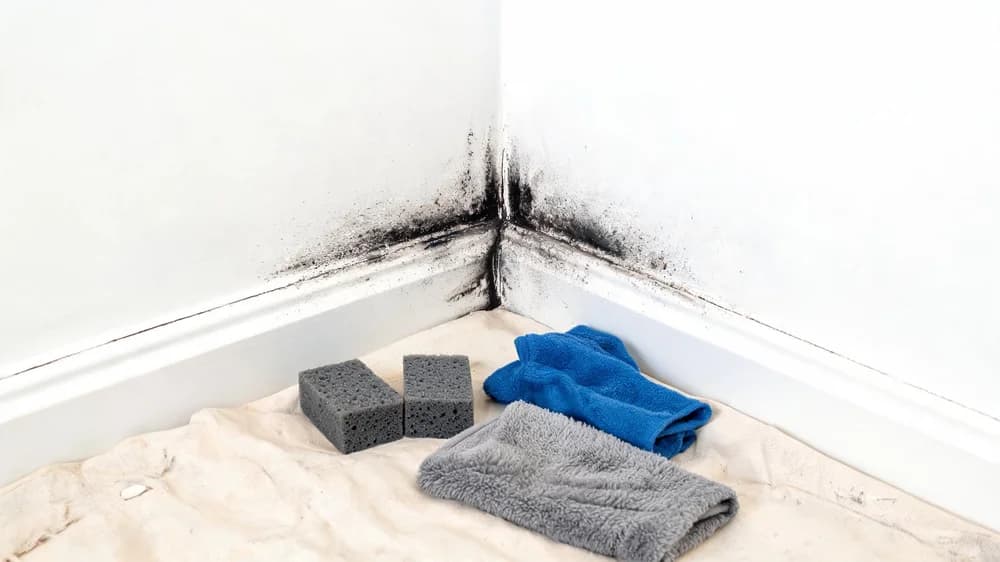
We employ dry-cleaning sponges, specialized degreasers, and HEPA-filtered vacuums to remove protein-based soot without spreading it further. Different surfaces require different approaches: hard surfaces receive chemical cleaning, while porous materials like drywall may need to be removed and replaced if contamination is severe.
3. Odor Elimination
Burnt grease odor is notoriously persistent. Our team uses hydroxyl generators, thermal fogging, and ozone treatment to neutralize odor at the molecular level. We also treat soft materials, insulation, and HVAC components that trap and re-release odors over time. Surface sealants may be applied to walls and ceilings to encapsulate any residual odor-causing particles.
4. Structural Repair and Reconstruction
Depending on the severity of the fire, structural components may need repair or replacement. This can include cabinetry, countertops, drywall, flooring, and electrical systems. Our reconstruction team handles everything from minor repairs to full kitchen rebuilds, ensuring that your home meets all current building codes.
5. Contents Cleaning and Restoration
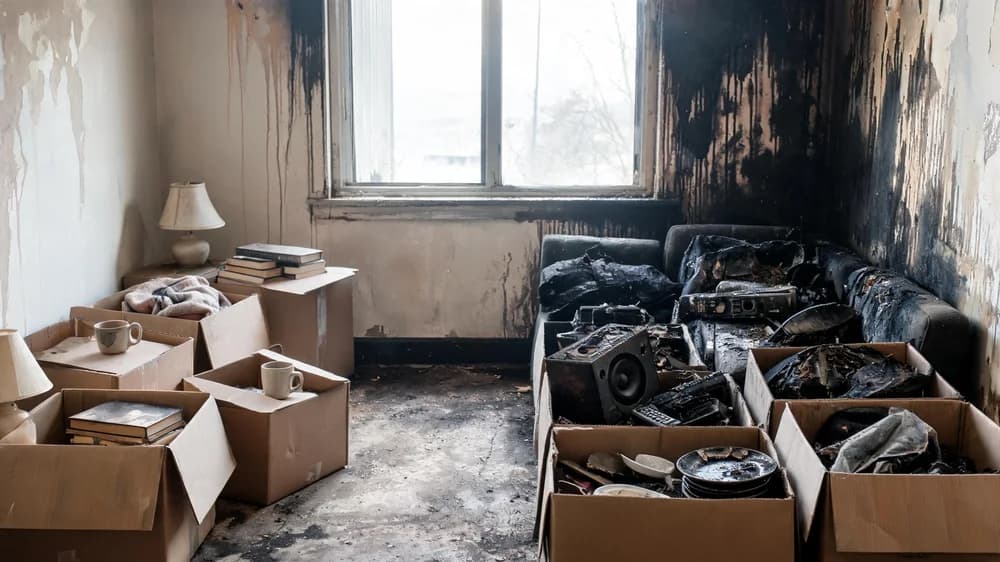
Kitchen items, small appliances, cookware, and nearby furnishings are assessed for salvageability. Our contents restoration specialists use ultrasonic cleaning, dry cleaning, and other advanced methods to restore personal belongings whenever possible.
Preventing Future Grease Fires
While our team is always ready to respond when disaster strikes, prevention is the best strategy. Consider these practical tips to reduce your risk:
- Never leave cooking oil unattended on the stove.
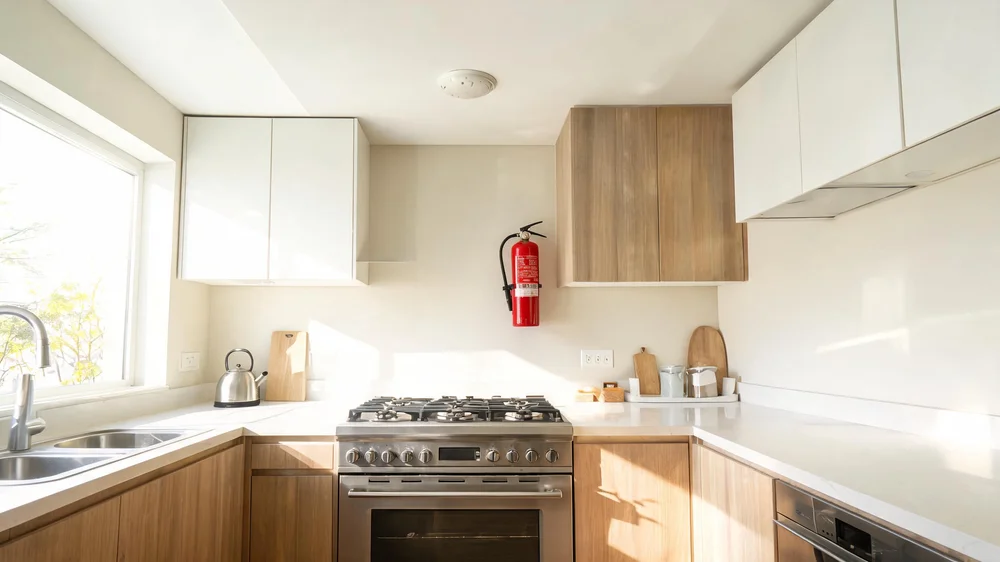
- Keep a class K fire extinguisher in your kitchen and know how to use it.
- Heat oil gradually and use a thermometer to monitor temperature.
- Keep the stovetop and range hood clean to prevent grease buildup.
- Never use water to extinguish a grease fire; smother it with a metal lid or use baking soda.
- Install a stovetop fire suppressor for an added layer of protection.
Insurance Considerations for Grease Fire Damage
Most homeowners insurance policies cover grease fire damage, but navigating the claims process can be overwhelming during an already stressful time. Advanced DRI works directly with insurance providers throughout the tri-state area, helping you document damage thoroughly and ensure your claim reflects the full scope of restoration needed. We provide detailed photo documentation, moisture readings, and itemized reports that insurance adjusters require.
If you have experienced a grease fire in your home, do not wait to begin the restoration process. The longer soot and smoke residue remain on surfaces, the more difficult and costly cleanup becomes. Contact Advanced DRI for an emergency response, and let our experienced team restore your kitchen and home to its pre-loss condition.
Frequently Asked Questions
How long does grease fire restoration typically take?
The timeline depends on the severity of the damage. Minor grease fires confined to the stovetop area may take three to five days for full restoration. More extensive fires that affect cabinetry, walls, and adjacent rooms can require two to four weeks, especially if structural reconstruction is needed. Advanced DRI provides a detailed timeline during the initial assessment.
Can I stay in my home during grease fire restoration?
In many cases, yes, provided the fire was contained to the kitchen area and air quality tests confirm the rest of the home is safe. However, if smoke contamination has spread throughout the HVAC system or the kitchen is your only cooking space, temporary relocation may be more practical. Our team will advise you based on the specific conditions of your property.
Will my kitchen cabinets need to be replaced after a grease fire?
Not always. If the cabinets were not directly exposed to flames and the heat damage is limited to surface discoloration, professional cleaning and refinishing may restore them. However, cabinets that have warped, delaminated, or absorbed deep smoke odor typically need replacement. Our technicians assess each component individually to save what can be saved and replace what cannot.
How soon should I call a restoration company after a grease fire?
As soon as the fire department clears the scene. Grease fire residue begins to cause permanent damage within 24 to 48 hours. The oily soot bonds more aggressively to surfaces over time, and odor compounds penetrate deeper into porous materials. Calling Advanced DRI immediately gives us the best chance of minimizing damage and reducing overall restoration costs.
Categories
Need Restoration Services?
Our team is available 24/7 for emergency response. Call us today for a free phone consultation.
Questions About Restoration?
Our experts are ready to help. Contact us for a free consultation.