
Elsa Boyer is a Regional Operations Manager for Advanced Disaster Recovery, based in Harrisburg, Pennsylvania, overseeing commercial and healthcare restoration projects. She holds a Bachelor of Arts from Valparaiso University and a deep certification portfolio, including ICRA Certified Healthcare Remediator Supervisor and multiple IICRC designations across commercial drying, structural drying, water, and fire & smoke restoration.
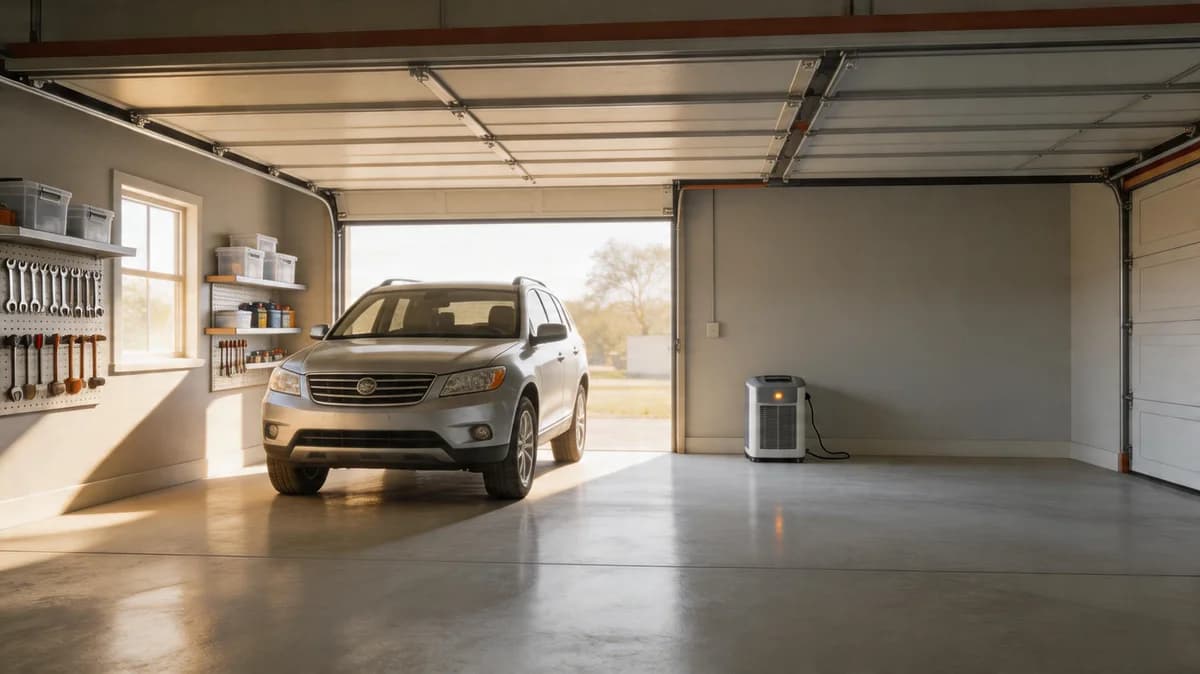
Keep your garage mold-free with practical prevention tips from Advanced DRI. Learn about ventilation, moisture control, storage habits, and when to call a pro.
Why Garages Are a Mold Hotspot
At Advanced DRI, we get calls about garage mold throughout the year, and the reasons are fairly consistent. Most attached garages combine the worst of both worlds: they share walls with conditioned living space, but they are not climate-controlled themselves. That means humidity swings, temperature extremes, and a constant supply of moisture from vehicles, stored items, and outdoor air.
Because garages are typically not used as living spaces, small moisture issues often go unnoticed for long periods. By the time a homeowner smells something musty or sees visible growth, mold may have already migrated into drywall, insulation, stored belongings, or even the shared wall with the home's interior.
The good news is that garage mold is almost always preventable. A few straightforward habits, combined with a weekend of minor improvements, can keep your garage dry and healthy for years.
Common Moisture Sources in the Garage
Understanding where moisture enters is the foundation of prevention. The most common culprits we see include:
- Snow and rain melting off vehicles, which pools on the concrete floor and slowly evaporates into the enclosed space.
- Humid outdoor air entering through gaps under garage doors, around window frames, or through service doors.
- Water intrusion through the slab, especially in garages with poor drainage or below-grade construction.
- Leaky roofs above the garage, which can go undetected because homeowners rarely inspect garage ceilings.
- Stored wet items, including lawn equipment, sports gear, camping supplies, and cardboard boxes that absorb humidity.
- Hot water heaters, washing machines, or utility sinks located in the garage, which can leak or generate humid air.
- HVAC equipment such as furnaces with condensate leaks or duct sweating.
Start with Moisture Control
Mold cannot grow without moisture. Every other strategy in this guide supports this fundamental principle.
Install a Garage Dehumidifier
A dedicated dehumidifier rated for garage use is one of the most effective investments you can make. Look for one designed to operate at cooler temperatures, since standard residential dehumidifiers struggle below sixty-five degrees. Set it to maintain relative humidity between forty and fifty percent.
Seal Gaps and Cracks
Walk around the perimeter of your garage, inside and out, and look for gaps where outdoor air and moisture can enter. Replace worn garage door weatherstripping, caulk around window frames, and seal cracks in the foundation and slab.
Manage Snow and Rain Runoff
When vehicles enter the garage during wet weather, melting snow and rain can create standing water for hours. Consider installing a plastic containment mat under each parking spot to capture runoff, or squeegee the floor after particularly wet days.
Check Drainage Around the Garage
Examine the grading and drainage outside your garage. Water should always flow away from the foundation. Check gutters and downspouts to confirm they direct water at least four feet from the garage walls. Low spots near the foundation should be filled and graded.
Improve Garage Ventilation
Even with a dehumidifier, regular air exchange helps prevent stagnant humid conditions. Consider these upgrades:
- Ventilation fans installed through an exterior wall can move humid air out of the garage, especially useful after parking wet vehicles.
- Passive vents near the eaves allow warm, moist air to escape and fresh air to enter.
- Open the garage door periodically, especially on dry, breezy days, to flush out accumulated moisture.
- Avoid sealing the garage airtight. Some air exchange is necessary to prevent moisture stagnation.
Smart Storage Habits
How you store items in your garage makes a surprising difference. Our team routinely finds mold growing not on walls but on cardboard boxes, fabric items, and forgotten seasonal gear.
- Replace cardboard with plastic bins. Cardboard absorbs moisture and provides food for mold. Clear plastic containers with tight-fitting lids keep contents dry and visible.
- Keep items off the floor. Use shelving or pallets to elevate stored belongings at least a few inches above the slab.
- Dry items before storage. Wet camping gear, damp lawn equipment, or freshly cleaned sports equipment should be fully dried before being put away.
- Avoid storing natural fiber items long-term. Leather, wool, cotton, and paper goods are highly susceptible to mold in garage environments.
- Rotate and inspect stored items seasonally, so moisture issues are caught before they escalate.
Address the Floor and Walls
The structural surfaces of your garage can either fight mold or invite it.
Seal Concrete Floors
Bare concrete wicks moisture from the ground and releases it into the garage air. A concrete sealer or epoxy coating blocks this transfer and makes the floor easier to clean. Sealed floors also resist staining from road salt and vehicle fluids.
Consider Moisture-Resistant Drywall
If you ever finish or refinish your garage walls, use mold-resistant drywall, sometimes called green board or purple board. These products cost only slightly more than standard drywall but dramatically reduce mold risk.
Insulate Properly
In attached garages, the shared wall with the house benefits from proper insulation and a vapor barrier. Improperly insulated garage ceilings also create condensation problems on the cold surface.
Routine Inspection Habits
Once or twice a year, walk through your garage with mold prevention in mind. Our technicians suggest looking for:
- Water stains on the ceiling indicating roof or upstairs leaks
- Efflorescence or white powdery deposits on concrete, which signal moisture migration
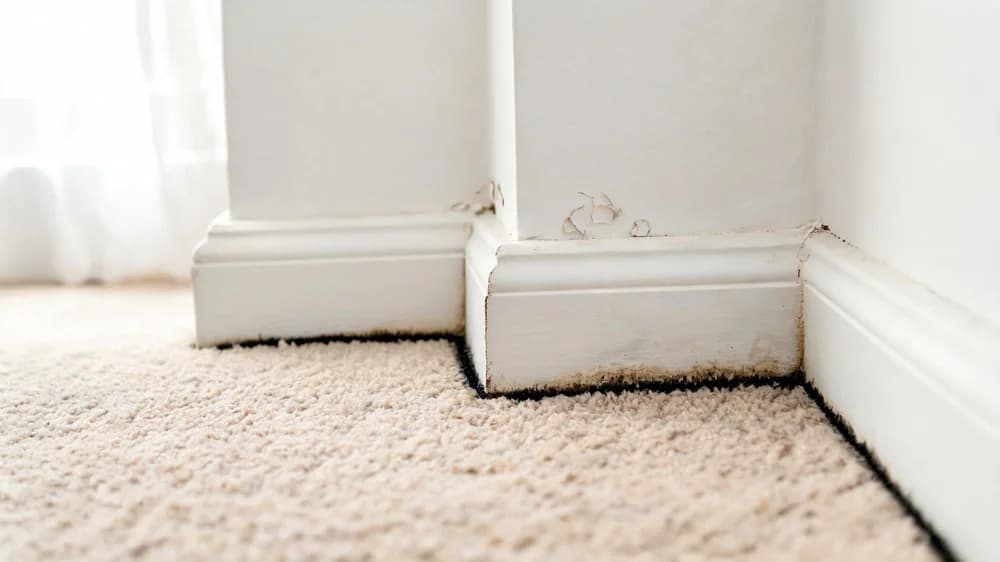
- Soft spots, discoloration, or peeling paint on drywall
- Musty odors that linger even after ventilation
- Rust on tools, hardware, or metal shelving, which often points to elevated humidity
- Condensation on windows, pipes, or the underside of the garage door
When Prevention Fails: Calling a Professional
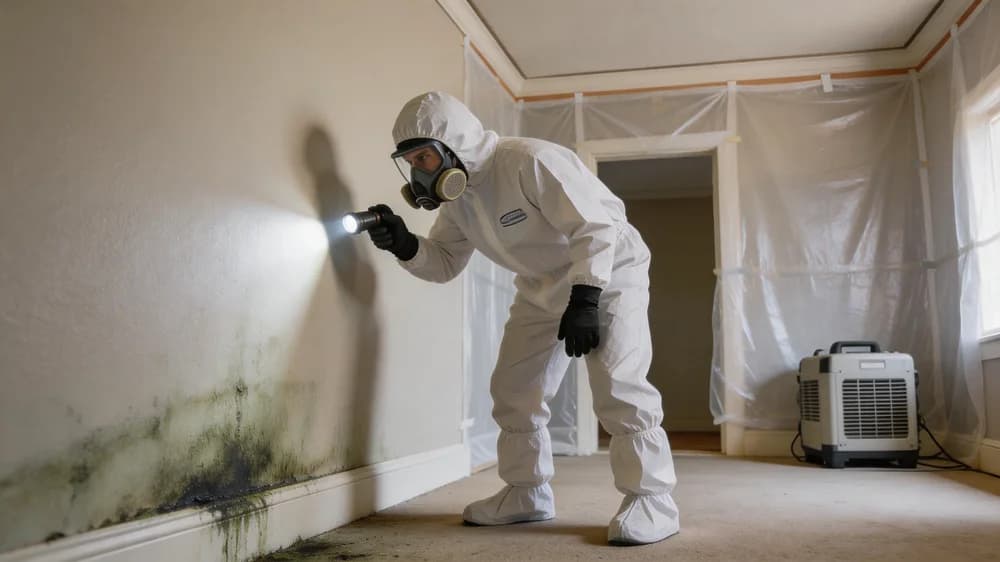
If you already have visible mold in your garage, prevention strategies alone are not enough. The existing growth needs to be properly addressed before the space can be kept healthy long-term. Our mold remediation team handles garage projects regularly, including cases where mold has spread to the shared wall with the home's interior.
You should contact us if you see any of the following:
- Visible mold covering more than a small isolated area
- Mold on the shared wall between garage and living space
- Persistent musty odors despite cleaning and ventilation
- Water damage from a known leak, flood, or vehicle-related water intrusion
- Allergy symptoms that worsen after spending time in or near the garage
We approach garage mold with the same rigor as any indoor space because contamination can spread to living areas through shared walls, open doors, and HVAC systems.
If you want a professional to evaluate your garage for mold risk or existing problems, contact Advanced DRI. We serve homeowners across the Northeast with inspections, remediation, and water damage restoration that addresses the root cause rather than just the symptoms.
Frequently Asked Questions
Is mold in the garage as dangerous as mold inside the house?
Mold in any enclosed space connected to your home affects indoor air quality. Attached garages share walls, doorways, and sometimes HVAC systems with living spaces, allowing spores to migrate. Even detached garages can be a concern if items stored inside are brought into the home. We treat garage mold with the same urgency as interior mold.
Will a regular dehumidifier work in my garage?
Standard residential dehumidifiers often struggle in garages because temperatures drop below their operating range, especially in winter. Look for a low-temperature or basement and garage rated dehumidifier that can continue running in cooler conditions. The right unit makes a significant difference in year-round performance.
Can I paint over mold on garage walls to stop it from spreading?
Painting over mold is never a real fix. Mold continues to grow under the paint, eventually pushing through and requiring far more expensive remediation. The correct approach is to remove the mold, identify and fix the moisture source, then repaint with a mold-resistant primer and paint system.
Categories
Need Restoration Services?
Our team is available 24/7 for emergency response. Call us today for a free phone consultation.

Questions About Restoration?
Our experts are ready to help. Contact us for a free consultation.