
Mold & Hazardous Materials
Signs of Hidden Mold in Your Home and When to Call Professionals
October 14, 202513 min read
E
Elsa Boyer· Regional Operations Manager (Harrisburg, PA)
Elsa Boyer is a Regional Operations Manager for Advanced Disaster Recovery, based in Harrisburg, Pennsylvania, overseeing commercial and healthcare restoration projects. She holds a Bachelor of Arts from Valparaiso University and a deep certification portfolio, including ICRA Certified Healthcare Remediator Supervisor and multiple IICRC designations across commercial drying, structural drying, water, and fire & smoke restoration.
Certified Healthcare Remediator Supervisor (ICRA), IICRC Commercial Drying Specialist, IICRC Applied Structural Drying, IICRC Water Restoration Technician (WRT), IICRC Fire and Smoke Restoration Technician, Lead-Based Paint Renovator, Mold Remediation Technician (RIA), OSHA 10 CertifiedLinkedIn
Published October 14, 2025 · Updated October 10, 2026

Learn the warning signs of hidden mold signs in your home and when professional mold remediation is necessary. Protect your family's health and home.
What You'll Need
Tools:
- Flashlight (bright LED preferred for dark spaces)
- Moisture meter (optional but helpful for detecting hidden water)
- Camera or smartphone (to document findings)
- Step ladder (for accessing high areas safely)
- Protective gloves and mask (N95 or better if investigating suspected areas)
Materials:
- Notebook and pen (for recording locations and observations)
- Masking tape (to mark areas of concern)
Time Required:
⏱️ Prep: 5 minutes ⏱️ Inspection: 30-45 minutes ⏱️ Documentation: 10 minutes⚠️ Safety Warning
This task is safe for DIY if:- You're only inspecting and documenting, not disturbing materials
- You wear proper respiratory protection in suspected areas
- You avoid touching or removing moldy materials
- The affected area appears to be less than 10 square feet
- You have respiratory conditions, allergies, or compromised immunity
- The area is larger than 10 square feet
- Mold is associated with sewage or contaminated water
- You need to remove building materials to access the area
- You experience health symptoms during inspection
- Wear an N95 mask or respirator when inspecting suspected mold areas
- Ventilate the space by opening windows if safe to do so
- Avoid touching mold directly with bare hands
- Never disturb or attempt to clean large mold colonies
- Document everything with photos before professional assessment
Understanding Hidden Mold Signs in Your Home
Hidden mold signs appear in dark, damp environments where moisture goes unnoticed. Unlike visible mold growth on surfaces, these hidden mold signs develop inside walls, beneath flooring, above ceilings, and within ventilation systems. Mold detection becomes challenging because the source isn't immediately obvious, but your home gives you clues through smell, visible water damage, health symptoms, and environmental conditions. Mold needs three things to grow: moisture, organic material to feed on, and temperatures between 40-100°F. Since most homes provide the food source (wood, drywall, carpet) and temperature, moisture control becomes the critical factor. Any past or present water intrusion creates potential for hidden mold development.Step-by-Step Mold Detection Process
Step 1: Trust Your Nose
Your sense of smell is one of the most reliable tools for finding mold. Walk through your home slowly, paying attention to each room. Musty, earthy, or stale odors are primary hidden mold signs that indicate possible mold growth even when you can't see it. These hidden mold signs often intensify in humid weather or when you run your heating or cooling system. Why this matters: Mold produces volatile organic compounds (MVOCs) that create distinctive odors. If you smell something musty, these hidden mold signs mean there's likely mold somewhere nearby. ✅ Success looks like: You've identified rooms or areas with persistent musty smells and marked them for further investigation.Step 2: Check for Water Damage Signs
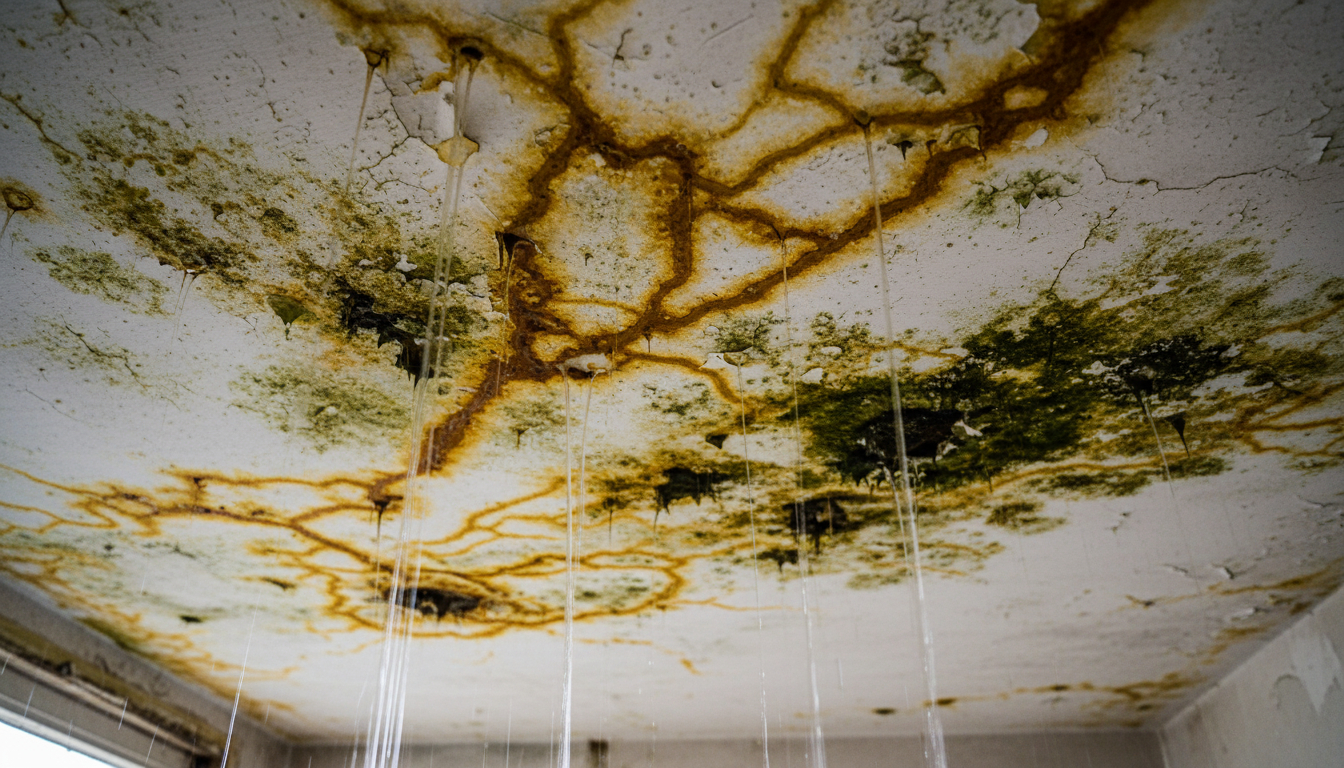
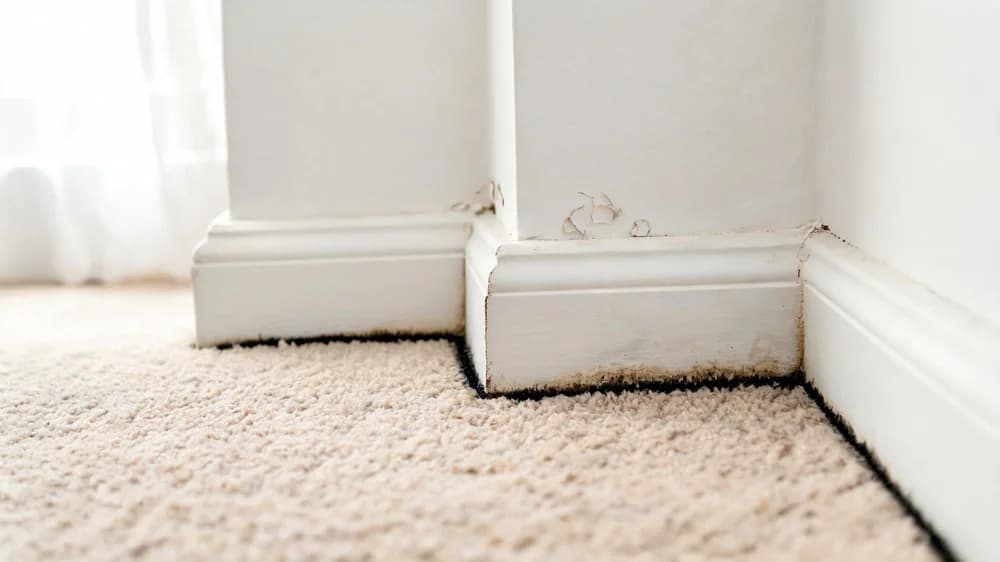
Examine walls, ceilings, and floors for these hidden mold signs:- Water stains or discoloration (yellow, brown, or copper-colored)
- Peeling or bubbling paint or wallpaper
- Warped, buckled, or sagging surfaces
- Cracked or deteriorating caulking around tubs and showers
- Condensation on windows or pipes
Step 3: Investigate High-Risk Areas for Hidden Mold Signs
Focus your inspection on these common locations where hidden mold signs frequently appear:| Location | What to Check | Hidden Mold Signs to Look For | Tools Needed |
|---|---|---|---|
| Bathrooms | Under sinks, behind toilets, around tub/shower | Peeling caulk, soft spots, persistent moisture | Flashlight, gloves |
| Kitchen | Under sink, behind refrigerator, around dishwasher | Water stains on cabinet floors, musty odors | Flashlight, moisture meter |
| Basement/Crawlspace | Foundation walls, floor joists, insulation | Condensation, efflorescence, damp smell | Flashlight, mask, gloves |
| Attic | Roof decking, insulation, ventilation areas | Dark staining, wet insulation, frost in winter | Flashlight, ladder, mask |
| HVAC System | Air handler, drip pans, ductwork, vents | Musty smell when system runs, visible dust/debris | Flashlight, screwdriver |
| Windows | Sills, frames, wall cavities around windows | Condensation, peeling paint, soft wood | Flashlight |

Step 4: Monitor Health Symptoms
Pay attention to health changes that may indicate mold exposure. These mold symptoms are often hidden mold signs that affect your body before you find the source:- Respiratory issues: Coughing, wheezing, difficulty breathing
- Allergy-like symptoms: Sneezing, runny nose, itchy eyes
- Skin irritation: Rashes or itching
- Headaches or fatigue that improve when you leave home
- Worsening asthma or allergies

Step 5: Use a Moisture Meter (Optional)
If you have a moisture meter, check suspected areas for elevated moisture levels. Readings above 16% indicate conditions favorable for mold growth. Test:- Areas with water stains
- Walls near plumbing
- Basement or crawlspace surfaces
- Around windows and doors
- Ceiling areas below bathrooms
Step 6: Document Everything
Take clear photos of:- Any water stains or discoloration
- Peeling or damaged materials
- Moisture meter readings
- The overall condition of high-risk areas
- Date and location stamps for your records
🔴 When to Call a Professional
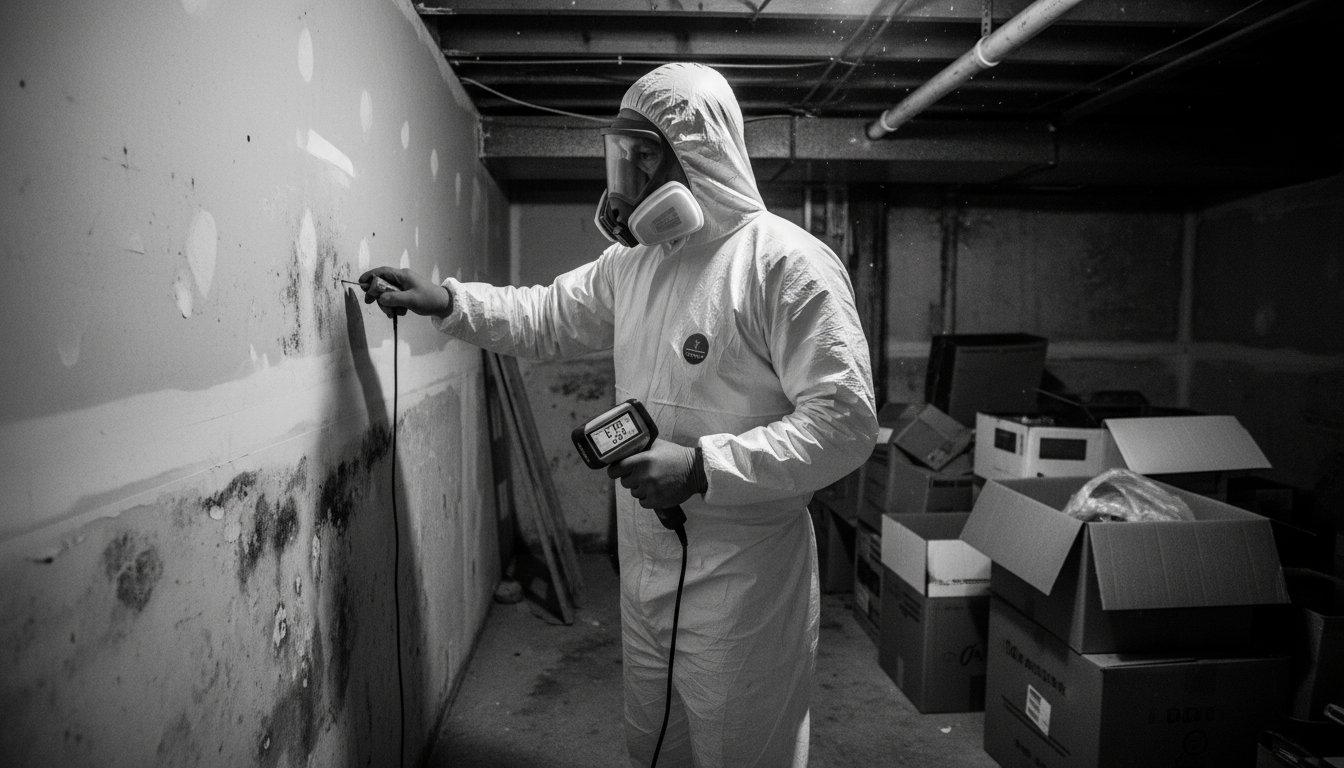
Stop your inspection and contact a mold remediation professional if:- You find visible mold growth larger than 10 square feet (3x3 area)
- Mold is growing in your HVAC system or ductwork
- You discover mold related to sewage or contaminated water
- Multiple family members experience persistent health symptoms
- Water damage affects structural elements or has been present for more than 48 hours
- You need to remove building materials to investigate further
- The musty smell persists despite cleaning visible surfaces
- You find soft, spongy drywall or flooring indicating extensive hidden damage
- Mold returns repeatedly after cleaning
- You're uncertain about the extent of the problem
- Comprehensive mold testing and air quality assessment
- Containment procedures to prevent spread during removal
- Safe removal of contaminated materials
- HEPA filtration and air scrubbing
- Addressing underlying moisture problems
- Verification testing to ensure complete remediation
Troubleshooting Common Mold Detection Challenges
Problem: I smell mold but can't find the source
Solution: The odor may be coming from inside walls, HVAC ducts, or other hidden spaces. These hidden mold signs can be elusive. Try turning off your HVAC system to see if the smell changes—if it diminishes, the problem may be in your ventilation system. Consider hiring a professional with thermal imaging cameras to locate hidden moisture sources and identify hidden mold signs you can't see.Problem: Moisture meter shows high readings but no visible mold
Solution: This is actually good news—you've caught the moisture problem before mold has developed. Address the moisture source immediately by fixing leaks, improving ventilation, or using dehumidifiers. Monitor the area over the next few weeks.Problem: I cleaned visible mold but the smell remains
Solution: This is one of the most common hidden mold signs—surface cleaning doesn't address the real problem. Hidden mold likely exists behind or beneath the cleaned surface. Surface cleaning doesn't address mold growing in porous materials like drywall, wood, or insulation. You'll need professional assessment to determine if materials need removal and to locate all hidden mold signs.Problem: Mold keeps returning in the same spot
Solution: You're treating the symptom, not the cause. There's an ongoing moisture problem that must be fixed first—whether it's a slow leak, condensation issue, or inadequate ventilation. Stop cleaning and call a professional to address both the moisture source and the mold.Problem: Only one family member has symptoms
Solution: Some people are more sensitive to mold than others. Don't dismiss the problem just because not everyone is affected. Continue your inspection and consider professional testing, especially if the sensitive person spends time in a particular room.Prevention: Keeping Hidden Mold Signs from Appearing
The best approach to mold is preventing hidden mold signs from developing in the first place:- Control humidity: Keep indoor humidity between 30-50% using dehumidifiers or air conditioning to prevent conditions that create hidden mold signs
- Fix leaks immediately: Address plumbing leaks, roof leaks, and foundation issues within 24-48 hours before hidden mold signs appear
- Improve ventilation: Use exhaust fans in bathrooms and kitchens, ensure proper attic ventilation
- Clean gutters regularly: Prevent water from pooling near your foundation
- Grade soil away from foundation: Ensure water drains away from your home
- Inspect regularly: Check high-risk areas monthly, especially after heavy rain
- Service HVAC system: Change filters regularly and have annual professional maintenance
- Dry wet materials quickly: Don't let carpets, drywall, or wood stay wet more than 24 hours
What to Expect from Professional Mold Services
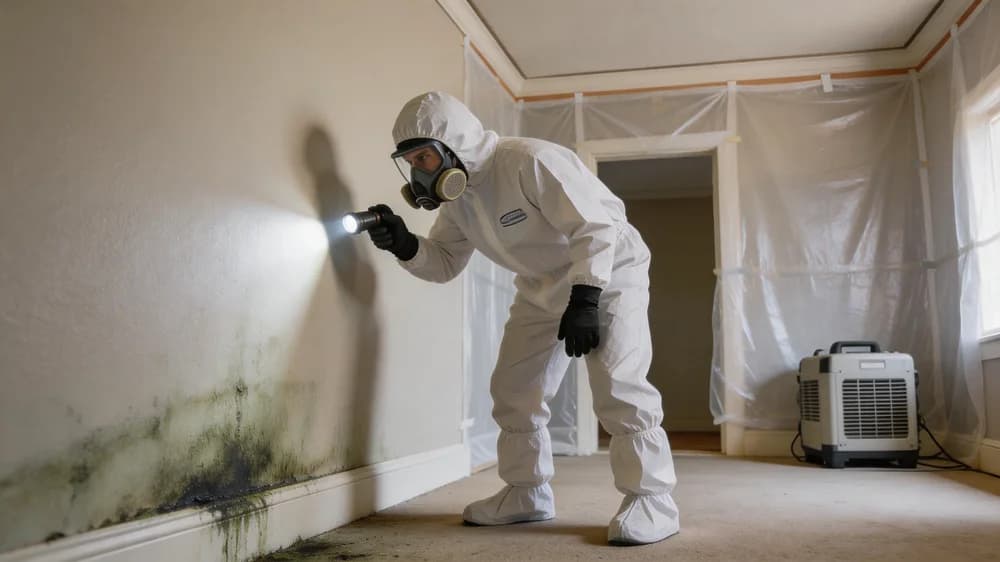
When you call a professional mold remediation company, they'll typically:- Conduct a thorough inspection using specialized equipment like moisture meters, thermal imaging cameras, and borescopes to look inside walls
- Perform air quality testing to identify mold types and concentration levels
- Provide a detailed remediation plan outlining the scope of work, timeline, and materials to be removed
- Set up containment barriers to prevent mold spores from spreading during removal
- Remove contaminated materials following safety protocols
- Clean and treat affected areas with antimicrobial solutions
- Address moisture sources that allowed mold to develop
- Verify successful remediation with post-treatment testing
Frequently Asked Questions
How can I tell the difference between mildew and dangerous mold?
Mildew is typically white or gray, powdery, and grows on surfaces like shower tiles where it's easily wiped away. Mold penetrates porous materials, appears black or green, has a fuzzy or slimy texture, and can't be simply wiped off. If growth returns after cleaning or has penetrated the material, treat it as mold requiring professional attention. Both thrive in moisture, but mold presents greater health risks and structural concerns.
Is it safe to sleep in a room with hidden mold?
If you suspect hidden mold in a bedroom, especially if you're experiencing health symptoms like coughing, congestion, or headaches that worsen at night, it's best to sleep elsewhere until the situation is assessed. Prolonged exposure to mold spores during sleep can aggravate respiratory issues. Ventilate the room well, run an air purifier if available, and schedule a professional inspection promptly to determine the extent of the problem.
Can I test for mold myself with a home testing kit?
Home mold testing kits can confirm the presence of mold spores but have significant limitations. They can't tell you the concentration levels, whether the mold is actively growing or dormant, or if it poses health risks. These kits often detect spores that are naturally present in every home. For accurate assessment and actionable results, professional testing with lab analysis provides more reliable information and specific remediation guidance.
How quickly can hidden mold develop after water damage?
Mold can begin growing within 24 to 48 hours after water exposure if conditions are right. This is why water damage restoration professionals emphasize the importance of immediate action. Even if you've dried visible water, moisture trapped inside walls, under flooring, or in insulation creates ideal conditions for hidden mold development. Any water intrusion should be thoroughly dried within 24 hours to prevent mold establishment.
Will bleach kill hidden mold in my walls?
No, bleach cannot effectively treat hidden mold in porous materials like drywall, wood, or insulation. Bleach only kills surface mold on non-porous materials and doesn't penetrate deep enough to eliminate mold roots in porous materials. Additionally, bleach adds moisture to the problem area, potentially making the situation worse. Hidden mold in building materials requires professional remediation, which typically involves removing and replacing contaminated materials.
Take Action on Hidden Mold Signs Today
Recognizing hidden mold signs early protects your home's value and your family's health. Use this guide to conduct regular inspections for hidden mold signs, especially after water events or during humid seasons. Remember, mold detection and identifying hidden mold signs is your job, but remediation is best left to professionals who have the equipment, expertise, and safety protocols to handle mold properly. If your inspection revealed concerning hidden mold signs, don't wait for the problem to worsen. Mold spreads quickly once established, and delayed action leads to more extensive damage and higher remediation expenses. Contact a professional mold remediation service to assess the hidden mold signs you've discovered and develop a comprehensive solution that addresses both the mold and the moisture source causing it. For homeowners dealing with emergency situations, our 24-hour emergency restoration services are available to help prevent water damage from turning into a mold problem. Protect your home and health—schedule a professional mold inspection today.Categories
Need Restoration Services?
Our team is available 24/7 for emergency response. Call us today for a free phone consultation.
Questions About Restoration?
Our experts are ready to help. Contact us for a free consultation.