Commercial Kitchen Water Damage: Restaurant Owner's Guide
Elsa Boyer is a Regional Operations Manager for Advanced Disaster Recovery, based in Harrisburg, Pennsylvania, overseeing commercial and healthcare restoration projects. She holds a Bachelor of Arts from Valparaiso University and a deep certification portfolio, including ICRA Certified Healthcare Remediator Supervisor and multiple IICRC designations across commercial drying, structural drying, water, and fire & smoke restoration.
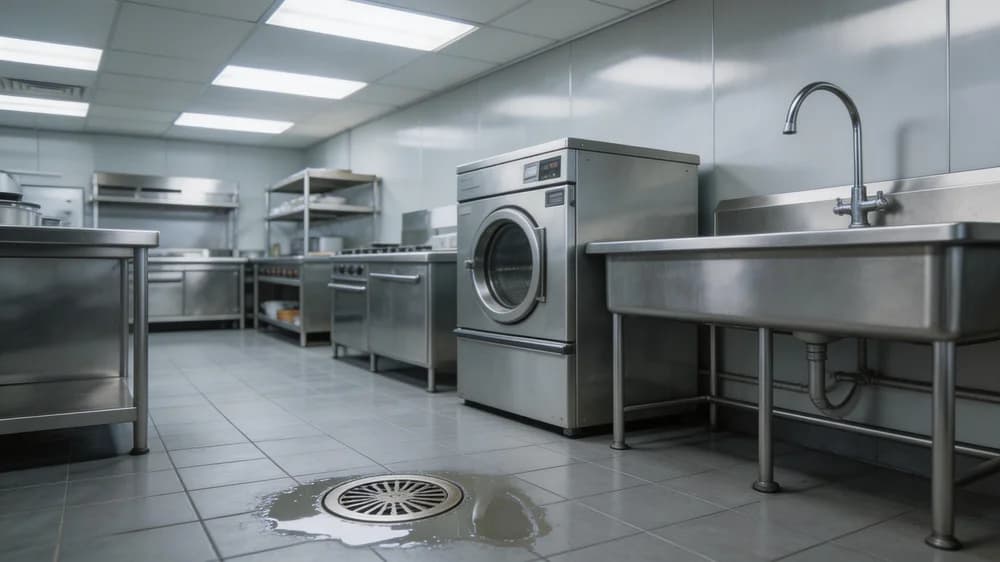
Restaurant owners: learn how to prevent and respond to commercial kitchen water damage. Advanced DRI covers common causes, health code concerns, and fast restor
Why Commercial Kitchen Water Damage Is Different
At Advanced DRI, we understand that water damage in a commercial kitchen is not just a property problem. It is a business crisis. Every hour your kitchen is offline represents lost revenue, wasted inventory, displaced staff, and potentially damaged relationships with customers. Beyond the immediate financial impact, water damage in a food preparation environment raises serious health and safety concerns that can affect your operating permits and insurance standing.
Commercial kitchens face unique water damage risks due to the concentration of plumbing fixtures, high-volume water usage, grease-laden environments, and the stringent sanitation standards required by health departments across New York, New Jersey, Pennsylvania, and Connecticut.
Common Causes of Water Damage in Commercial Kitchens
Grease Trap and Drain Line Failures
Grease traps that are not cleaned on schedule can overflow, sending contaminated water across kitchen floors. Similarly, grease buildup in drain lines causes blockages that result in backups from sinks, floor drains, and dishwashing equipment. These backups often involve contaminated water that requires professional cleanup.
Commercial Dishwasher Malfunctions
High-temperature commercial dishwashers process hundreds of gallons of water daily. Supply line failures, door seal degradation, and drain pump malfunctions can release large volumes of hot water onto kitchen floors in a very short time.
Ice Machine Supply Line Leaks
Ice machines are often positioned in areas where a small leak goes unnoticed behind or beneath the unit. Over time, these leaks damage flooring, subfloor materials, and adjacent wall assemblies.
Refrigeration Condensation and Defrost Drain Issues
Walk-in coolers and freezers produce condensation and defrost water that must drain properly. Clogged or disconnected drain lines cause water to accumulate on the floor inside and outside the unit, potentially damaging the floor system and promoting mold growth beneath impervious flooring materials.
Fire Suppression System Activation or Leaks
Commercial kitchen fire suppression systems contain water or chemical suppressants under pressure. Accidental activation or deterioration of system components can release large volumes of water throughout the kitchen. Even a small leak at a sprinkler head fitting can cause persistent moisture problems in ceiling and wall assemblies.
Plumbing Failures in High-Use Fixtures
Commercial kitchen faucets, pre-rinse spray valves, and three-compartment sinks experience heavy daily use. Worn seals, corroded fittings, and failed supply connections are common sources of both sudden and gradual water damage.
Health Code and Regulatory Concerns
Water damage in a commercial kitchen introduces regulatory complications that residential water damage does not:
- Health department closure orders: Standing water, sewage backups, or visible mold in a food preparation area can trigger an immediate closure order from the local health department. Reopening requires demonstrating that the facility has been properly restored and sanitized.
- Contamination of food preparation surfaces: Water damage that involves sewage, drain backups, or mold contamination may require complete sanitization of all food contact surfaces, equipment, and storage areas.
- Structural and flooring integrity: Health codes require commercial kitchen floors to be smooth, non-porous, and easily cleanable. Water damage that compromises floor coatings, cracks tile, or deteriorates grout creates compliance issues.
- Documentation requirements: Health departments may require documentation of professional restoration, sanitization, and clearance testing before allowing the kitchen to resume operations.
Immediate Steps When Water Damage Occurs
If your commercial kitchen experiences water damage, take these steps immediately to protect your staff, your facility, and your ability to reopen quickly:
- Ensure staff safety. If water is in contact with electrical equipment, shut off power to the affected area before anyone enters standing water. Commercial kitchens have high-voltage equipment that creates serious electrocution risks in wet conditions.
- Stop the water source. Shut off the supply to the failed fixture, equipment, or the main water supply if the source cannot be isolated.
- Protect inventory. Move food products, dry goods, and supplies away from the affected area to prevent contamination and loss.
- Document everything. Photograph and video the damage thoroughly before any cleanup begins. This documentation is critical for insurance claims and health department communications.
- Contact Advanced DRI immediately. Commercial kitchen water damage requires rapid professional response to minimize downtime. Our team understands the urgency of getting your kitchen operational again and arrives with commercial-grade extraction and drying equipment.
- Notify your insurance carrier. Report the loss promptly and preserve all documentation of the damage and your response.
How Advanced DRI Restores Commercial Kitchens
Our commercial water damage restoration process for kitchens is designed for speed and thoroughness:
Emergency Water Extraction
We deploy truck-mounted and portable extraction equipment to remove standing water rapidly. In commercial kitchen environments, we pay particular attention to water that has migrated beneath tile, under equipment bases, and into wall cavities through floor-wall junctions.
Equipment Assessment
Our technicians assess all kitchen equipment that was exposed to water. Electrical components, motors, control boards, and gas connections must be inspected before equipment is returned to service. We coordinate with equipment vendors and service technicians as needed.
Commercial-Grade Drying
We deploy industrial dehumidifiers and air movers sized for the commercial environment. Our drying plan accounts for the heavy-duty materials common in commercial kitchens, including concrete subfloors, quarry tile, stainless steel fixtures, and commercial-grade wall finishes. Daily moisture monitoring ensures complete drying to documented standards.
Sanitization and Antimicrobial Treatment
All affected food preparation surfaces, equipment, and storage areas receive thorough sanitization using food-safe antimicrobial products. If the water damage involved sewage or drain backups, our team follows contaminated water protocols that include proper disposal of affected porous materials and comprehensive disinfection.
Restoration and Code Compliance
We repair or replace damaged flooring, wall finishes, and building components to meet both building codes and health department standards. Our team understands the specific requirements for commercial kitchen environments, including the proper materials, coatings, and installation methods required for compliance.
Prevention Strategies for Restaurant Owners
Proactive maintenance is the best defense against costly kitchen water damage:
- Maintain grease traps on schedule. Follow your local jurisdiction's requirements for grease trap cleaning frequency, and keep documentation of all service visits.
- Inspect supply lines and connections monthly. Train kitchen managers to check visible plumbing connections, supply hoses, and drain lines during routine inspections.
- Service equipment regularly. Commercial dishwashers, ice machines, and refrigeration units require regular maintenance. Follow manufacturer service schedules and address minor issues before they become major failures.
- Install water leak detection systems. Smart leak detectors placed near high-risk equipment provide early warning and can trigger automatic shutoffs to prevent catastrophic loss.
- Maintain floor drains. Ensure all floor drains are clear and flowing properly. Dry floor drain traps should be primed regularly to prevent sewer gas entry and maintain proper drainage capacity.
- Develop an emergency response plan. Every kitchen staff member should know where shutoff valves are located and what steps to take when a water emergency occurs.
Minimizing Business Interruption
At Advanced DRI, we know that time is money for restaurant owners. Our approach prioritizes getting your kitchen back in operation as quickly as safely possible. We work directly with health departments, insurance adjusters, and equipment vendors to coordinate the restoration process and eliminate delays. Many of our commercial kitchen restorations are completed within days rather than weeks.
If your restaurant or commercial kitchen has experienced water damage, contact Advanced DRI immediately. Our 24/7 emergency response team serves commercial clients across New York, New Jersey, Pennsylvania, and Connecticut.
Frequently Asked Questions
How long will my restaurant be closed after water damage?
The duration depends on the extent of the damage, the source of the water, and any regulatory requirements for reopening. Minor incidents may allow partial operations within 24 to 48 hours, while major flooding or sewage events can require several days to a week for proper restoration and clearance. Advanced DRI expedites the process by deploying large-scale equipment and working extended hours to minimize your downtime.
Will my commercial insurance cover kitchen water damage?
Most commercial property insurance policies cover sudden and accidental water damage. Business interruption coverage may also apply, compensating for lost revenue during the restoration period. Coverage for equipment damage, food inventory loss, and extra expenses varies by policy. We work closely with your insurance adjuster to document all aspects of the loss.
Do I need to notify the health department about kitchen water damage?
In most jurisdictions across NY, NJ, PA, and CT, you are required to notify the health department if water damage affects food preparation or storage areas, especially if sewage is involved. Proactive communication with your inspector demonstrates responsibility and typically results in a smoother reopening process. Advanced DRI provides the documentation health departments require.
Can I clean up commercial kitchen water damage myself?
While your staff should take immediate steps to stop the water source and protect inventory, professional restoration is essential for commercial kitchens. Health department compliance, proper drying verification, and professional sanitization documentation are typically required before you can resume operations. Attempting to handle restoration without professional equipment and documentation often leads to longer closures.
Categories
Need Restoration Services?
Our team is available 24/7 for emergency response. Call us today for a free phone consultation.

Questions About Restoration?
Our experts are ready to help. Contact us for a free consultation.