How Climate Change Is Increasing Water Damage Risks in the Northeast
Tyler McClelland leads mitigation operations for Advanced DRI across New York's Hudson Valley, directing water, mold, and large-loss response in the field. He holds IICRC Water Restoration Technician (WRT) and Applied Microbial Remediation Technician (AMRT) certifications and a New York State Mold Supervisor certification, and is trained in IRCA hospital safe construction practices recognized by The Joint Commission.
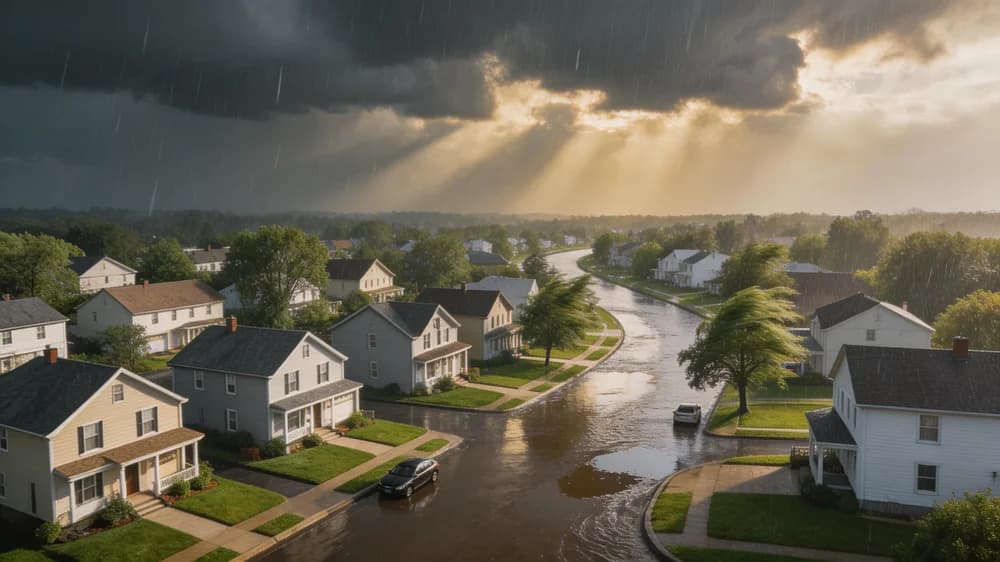
Climate change is intensifying water damage risks across NY, NJ, PA, and CT. Advanced DRI explains the trends and how to protect your property from increasing t
A Changing Climate Means Changing Risks
At Advanced DRI, we have observed a clear and measurable shift in the water damage events we respond to across New York, New Jersey, Pennsylvania, and Connecticut. Storms are more intense. Rainfall events that were once considered rare are becoming more frequent. Flooding is occurring in areas that historically stayed dry. And the restoration projects we handle are growing in scale and complexity.
These observations are consistent with what climate scientists have been documenting for years. The Northeast is one of the regions most affected by changing precipitation patterns, and the consequences for property owners are significant and growing.
How Climate Trends Affect Water Damage in the Northeast
More Intense Rainfall Events
The Northeast has experienced a significant increase in heavy precipitation events over the past several decades. Storms are delivering more rain in shorter periods, overwhelming drainage systems, gutters, and sump pumps that were designed for historical rainfall rates. A storm that drops two or three inches of rain in an hour overwhelms infrastructure that was engineered for one inch per hour, resulting in flash flooding, basement inundation, and surface water intrusion into buildings.
For homeowners, this means that properties that never experienced flooding before may now be at risk during extreme rainfall events. Basements that stayed dry for decades are suddenly taking on water because the volume and intensity of rainfall exceeds the capacity of the drainage infrastructure around and beneath the property.
Rising Sea Levels and Coastal Flooding
Coastal communities across New York, New Jersey, and Connecticut are experiencing rising sea levels that increase both the frequency and severity of tidal flooding and storm surge. Properties that were above the flood zone when they were built may now experience regular tidal flooding during high tide events, especially when combined with onshore winds.
Storm surge during hurricanes and nor'easters reaches further inland and to higher elevations than historical patterns would predict. This expanding flood zone puts more properties at risk and increases the potential scope of damage during major storm events.
Warmer Winters and Ice Dam Changes
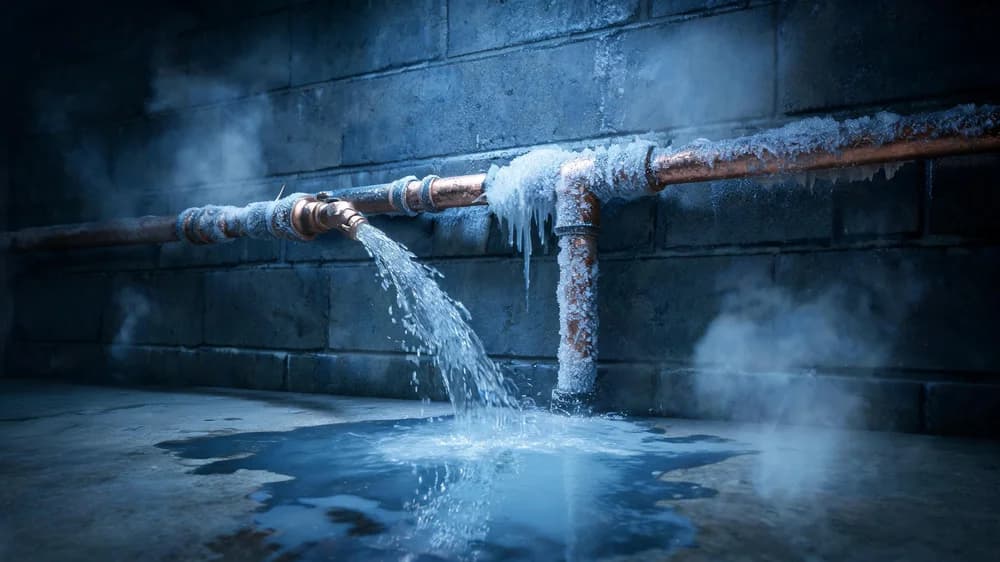
The Northeast is experiencing warmer average winter temperatures, but with greater temperature variability. This creates more frequent freeze-thaw cycles that are particularly damaging to buildings. Warmer periods followed by sharp cold snaps increase ice dam formation on roofs, as snow melts and refreezes at the roof edge, forcing water upward under shingles and into attic spaces and wall cavities.
Additionally, ground frost patterns are changing. Frost that once held the soil firm during spring snowmelt now alternates with thaw periods that saturate the ground and increase the risk of foundation water intrusion during the spring transition.
Higher Humidity Levels
Warmer air holds more moisture, and the Northeast is experiencing increased average humidity levels, particularly during summer months. Higher humidity increases condensation risk in buildings, promotes mold growth, stresses HVAC systems, and creates a generally more challenging environment for maintaining dry, healthy building conditions.
More Frequent and Intense Hurricanes and Tropical Systems
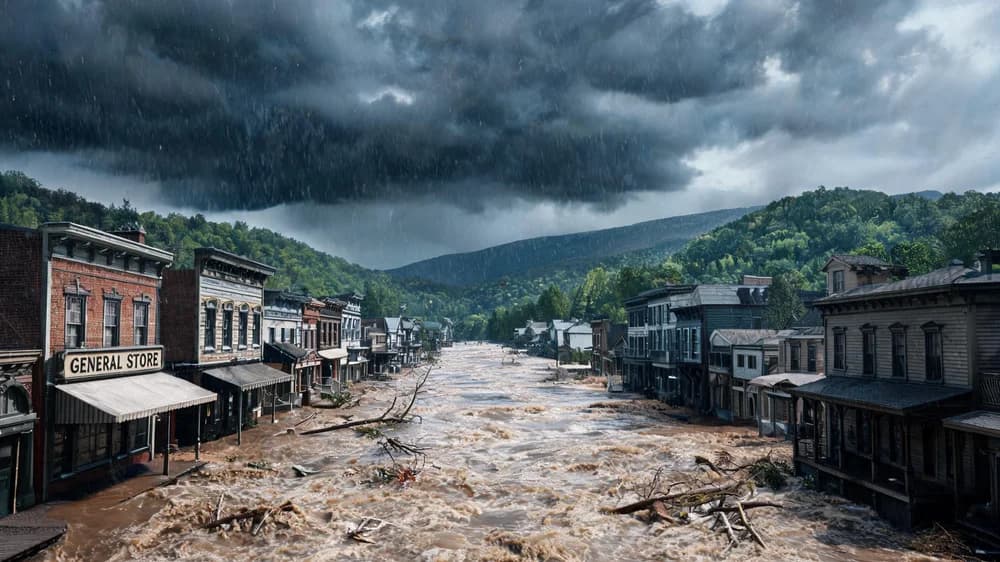
Warmer ocean temperatures in the Atlantic are contributing to tropical systems that retain more moisture and intensity as they track into the Northeast. Events like Hurricane Ida in 2021 demonstrated the devastating potential of tropical moisture in the region, causing catastrophic flooding across New Jersey, New York, and Pennsylvania. Climate projections indicate these types of events will become more frequent.
Adapting Your Property to New Realities
Property owners in the Northeast need to think beyond traditional water damage prevention and consider the evolving risk landscape:
Reassess Your Flood Risk
Do not rely solely on FEMA flood maps to determine your risk. These maps are updated infrequently and may not reflect current conditions. If your property has experienced new or worsening water intrusion during storms, take that as a signal that your risk profile has changed regardless of what the flood map says.
Upgrade Drainage and Sump Systems
Drainage systems designed for historical rainfall rates may be inadequate for current and future storm intensity. Consider upgrading to a larger sump pump, adding a secondary pump, installing battery backup power for your sump system, and ensuring your exterior drainage directs water well away from the foundation. French drains and yard grading improvements can make a significant difference.
Invest in Water Detection and Automatic Shutoff Technology
Smart leak detectors and automatic water shutoff systems provide critical early warning and damage limitation. These technologies are increasingly important as the frequency and intensity of water events increase. The cost of these systems is minimal compared to the potential damage they prevent.
Elevate Critical Systems and Equipment
In flood-prone areas, consider elevating electrical panels, HVAC equipment, water heaters, and other critical building systems above the potential flood level. This reduces both the immediate damage from a flood event and the cost and complexity of restoration afterward.
Improve Building Envelope Resilience
Ensure your roof, siding, windows, and doors are maintained to withstand more intense wind-driven rain. Replace aging roofing materials with products rated for higher wind speeds. Maintain caulking and flashing diligently. Consider impact-resistant windows in areas prone to severe storms.
Review and Update Your Insurance Coverage
Standard homeowner's insurance does not cover flood damage. If your property's risk profile has changed, consider purchasing or increasing flood insurance through the National Flood Insurance Program or a private carrier. Review your policy annually to ensure coverage limits reflect current replacement costs, which have increased significantly in recent years.
The Role of Community Infrastructure
Individual property protection is essential, but community-level infrastructure also plays a critical role in managing water damage risk. Aging stormwater systems across the Northeast were designed for rainfall patterns that no longer reflect reality. Many communities are investing in upgraded stormwater management, green infrastructure, and improved drainage capacity, but these upgrades take time and funding.
Property owners should stay informed about local infrastructure improvements and participate in community planning processes that address stormwater management. Understanding your community's drainage capacity helps you make informed decisions about your own property protection.
How Advanced DRI Is Adapting to Serve You
At Advanced DRI, we continuously invest in our capacity to respond to the evolving scale and frequency of water damage events across our service area. Our team maintains the equipment, training, and logistics capability to handle large-scale events alongside individual property emergencies. We have the experience and resources to respond rapidly when severe weather creates widespread water damage across multiple communities simultaneously.
We also work with property owners proactively, helping identify vulnerabilities and recommending improvements before the next storm hits. Prevention is always more cost-effective than restoration, and understanding the changing risk landscape is the first step toward effective preparation.
Whether you are dealing with water damage from a recent storm or want to prepare your property for the challenges ahead, contact Advanced DRI. We serve homeowners, businesses, and institutions across New York, New Jersey, Pennsylvania, and Connecticut with comprehensive water damage restoration and prevention services.
Frequently Asked Questions
Is the Northeast really experiencing more water damage from climate change?
Yes. Climate data shows that the Northeast has experienced a significant increase in heavy precipitation events over the past several decades, with the trend accelerating. At Advanced DRI, we have seen a measurable increase in the volume and severity of water damage calls, particularly following intense rainfall events that exceed historical norms. Properties that never flooded before are now experiencing water intrusion during these more intense storms.
Should I get flood insurance even if I am not in a flood zone?
We recommend that all property owners in the Northeast seriously consider flood insurance, regardless of their FEMA flood zone designation. A significant percentage of flood claims come from properties outside mapped flood zones. With changing precipitation patterns making flooding less predictable, flood insurance provides important financial protection. It is also important to know that there is typically a 30-day waiting period before a new flood insurance policy takes effect.
How can I tell if my property's water damage risk has increased?
Signs that your risk has changed include new or worsening water intrusion during storms, standing water in areas that previously stayed dry, increased frequency of sump pump activation, neighbors experiencing new flooding issues, and local reports of stormwater system capacity problems. If you are observing any of these changes, it is time to reassess your property's drainage, waterproofing, and insurance coverage.
What is the most important thing I can do to protect my property from increasing water damage risks?
The single most impactful step for most Northeast property owners is ensuring your sump pump system is reliable, adequately sized, and equipped with battery backup power. Beyond that, maintaining your building envelope, upgrading drainage, and installing water detection technology provide layers of protection that are increasingly important as storm intensity continues to grow.
Categories
Need Restoration Services?
Our team is available 24/7 for emergency response. Call us today for a free phone consultation.
Questions About Restoration?
Our experts are ready to help. Contact us for a free consultation.