Rob Temples manages emergency restoration operations for Advanced DRI's Fairfield, NJ and New York City service areas. With 10 years in the restoration industry and prior experience working for a general contractor, he integrates construction knowledge with mitigation expertise on every project and holds an IICRC Water Restoration Technician (WRT) certification.
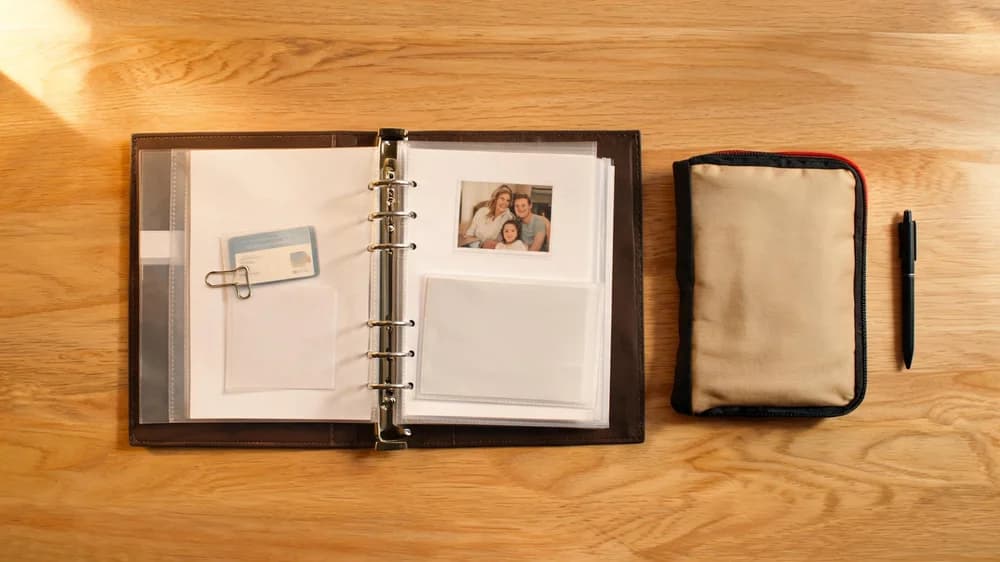
Build a family emergency binder that keeps critical documents, contacts, and instructions ready when disaster strikes. Advanced DRI shares what to include.
Why Every Family Needs an Emergency Binder
When a wildfire warning sounds at two in the morning or a burst pipe floods the basement, decisions have to happen fast. The families who respond calmly are almost always the ones who prepared a single source of truth for their household information. That source is the family emergency binder.
At Advanced DRI, we arrive at homes after fires, floods, and storm damage, and we have watched families scramble to find policy numbers, prescription lists, and even their own account logins. A binder eliminates that scramble. It is the most affordable preparedness project a family can tackle this weekend.
What a Family Emergency Binder Actually Is
An emergency binder is a physical three-ring binder or accordion folder, supplemented by a secure digital backup, that holds the documents and information your household would need in a crisis. It lives somewhere you can grab it in under thirty seconds, and every adult in the home knows where to find it.
This is not a vault or a safe deposit box. Those have their place, but they are not accessible during an evacuation. The binder is specifically designed to move with you.
Essential Documents to Include
Families often ask us where to start. The answer is simple: begin with identification and insurance. Those two categories cover ninety percent of the paperwork you will need in the first forty-eight hours after an event.
Identification and Vital Records
- Copies of birth certificates for every family member
- Passports or passport cards
- Social Security cards or numbers stored securely
- Marriage, divorce, or adoption certificates
- Immigration or naturalization paperwork
- Military service records and discharge papers
Insurance and Financial Records
- Homeowners or renters insurance policy summary
- Auto, health, life, and umbrella policy details
- Recent mortgage or lease documents
- Bank and investment account summaries
- Copies of the front and back of credit and debit cards
- Most recent tax return summary page
Medical Information
- Insurance cards and policy numbers
- Current medication list with dosages for each family member
- Allergies, chronic conditions, and vaccination records
- Primary care and specialist contact information
- Pediatric records and pediatrician contacts
- Veterinary records for pets, including rabies certificates
Legal and Estate Documents
- Wills, trusts, and power of attorney paperwork
- Healthcare directives and living wills
- Guardianship arrangements for children
- Property deeds and vehicle titles
Contact Lists and Emergency Plans
Documents are only half of the binder. The other half is the information you would not think to memorize until you needed it. Our team recommends a dedicated contact section near the front of the binder where anyone, including a neighbor or babysitter, can locate it quickly.
Contacts to Include
- Immediate family members and their phone numbers
- Out-of-state relatives who can act as a family check-in point
- Schools and daycare facilities
- Employers and HR departments
- Home insurance agent and claims hotline
- Utility companies for gas, electric, water, and internet
- Local restoration and cleanup resources including Advanced DRI
Family Communication Plan
Write down the plan. Where does the family meet if the house is inaccessible? Who calls whom? What is the backup meeting location if the first is unreachable? Kids especially benefit from having this in writing rather than trusting it will be remembered under stress.
Digital Backup Matters
Paper is vulnerable. A physical binder can burn or flood alongside the house it was meant to protect. That is why every emergency binder should be paired with a digital version stored in encrypted cloud storage or on a password-protected USB drive kept off-site.
Scan each section as a separate PDF, name the files clearly, and update them whenever you replace a document. A once-a-year review is enough to keep the digital version useful.
Where to Keep the Binder
Choose a location that is easy to reach in the dark. Many families store theirs in a front hall closet, a bedside drawer, or a small fireproof document bag that lives near the door they would use to evacuate. Tell every adult in the house where it lives, and add a reminder to the inside of a kitchen cabinet door for anyone house-sitting.
How Advanced DRI Helps After an Event
When disaster damages a home, our restoration team coordinates with insurance carriers, documents losses, and helps families begin the claims process. A well-prepared emergency binder makes that coordination faster and less stressful. We have seen claims settled in days rather than weeks when homeowners could hand us their policy numbers and inventory on the spot.
To learn more about how our team supports families before and after disasters, visit our about page or browse our service offerings.
Start Building Yours This Weekend
A family emergency binder takes a single afternoon to build and saves days of stress when it is needed. If you would like personalized guidance on preparing your home and family for the unexpected, contact Advanced DRI today. Our team is ready to help you protect what matters most.
Frequently Asked Questions
How often should I update my emergency binder?
Review the binder once a year at minimum, and update it anytime a major life event occurs: new baby, new job, new home, new insurance policy, or a death in the family. Keeping a sticky note on the front cover with the last review date helps families stay on track.
Is it safe to keep Social Security cards and passports in a binder at home?
A fireproof, lockable document bag or small safe is the safest option for originals. Copies can live in the main binder for quick reference, while originals stay in a secure container that travels with the binder during an evacuation.
What if I have shared custody or a blended family situation?
Build a binder for each household and cross-reference custody schedules, school contact information, and medical records. Clear documentation reduces confusion during emergencies when a child may be at either parent's home.
Categories
Need Restoration Services?
Our team is available 24/7 for emergency response. Call us today for a free phone consultation.


Questions About Restoration?
Our experts are ready to help. Contact us for a free consultation.