Disaster Restoration Services in NY, NJ, PA & CT
From emergency water extraction to complete reconstruction, we provide comprehensive disaster restoration solutions for residential and commercial properties across four states.
Complete Property Restoration
Our IICRC certified technicians are equipped to handle any disaster with professional-grade equipment and proven techniques developed over two decades.
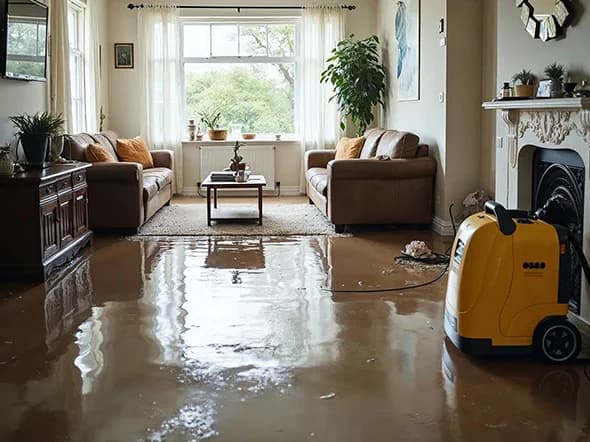
Water Damage Restoration
24/7 emergency water extraction, structural drying, and complete restoration. We use thermal imaging to detect hidden moisture and industrial-grade equipment to prevent mold growth and secondary damage.
Water Damage Services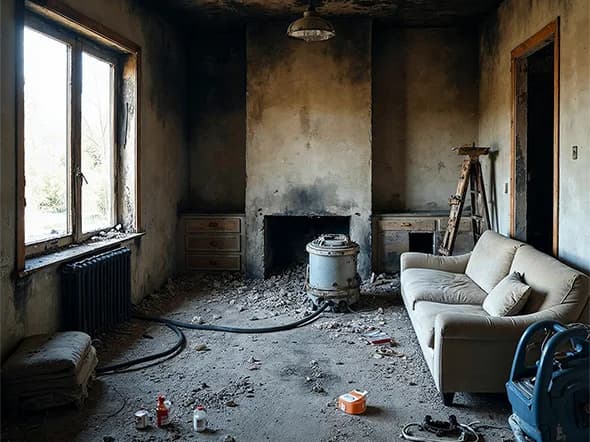
Fire & Smoke Damage Restoration
Complete fire damage cleanup including soot removal, smoke odor elimination, and structural repairs. Our 7-step process restores your property to pre-loss condition with air quality testing verification.
Fire Damage Services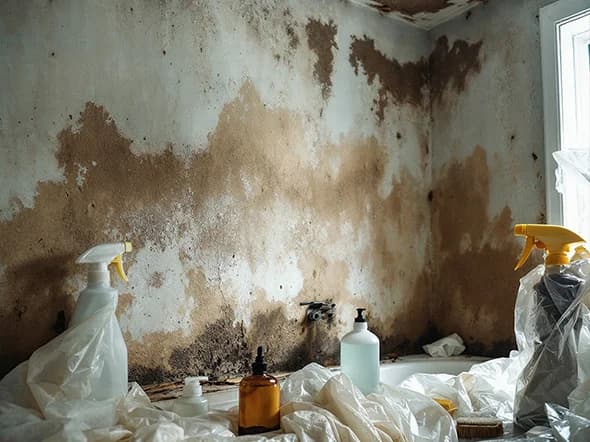
Mold Remediation
Professional mold inspection using infrared cameras and moisture meters, safe containment with HEPA filtration capturing 99.97% of particles, and EPA-compliant removal to protect your family's health.
Mold Removal Services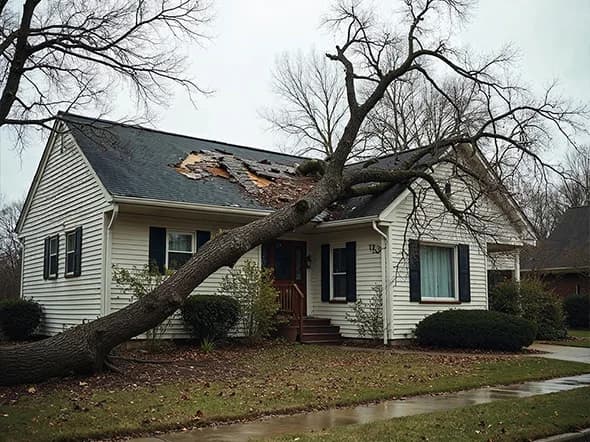
Storm & Wind Damage Restoration
Emergency response for severe weather damage including roof repairs, siding replacement, window restoration, and structural reinforcement. We work with your insurance for seamless claims.
Storm Damage Services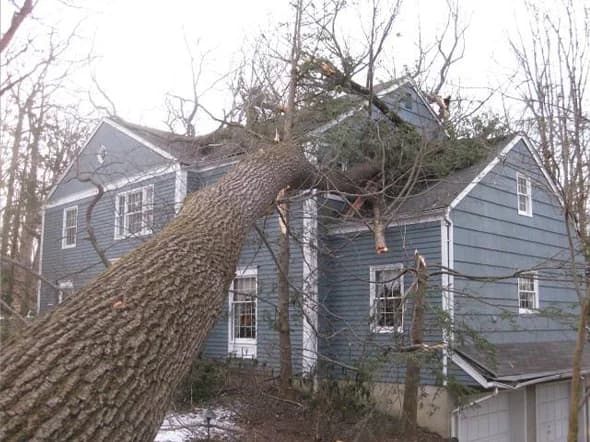
Emergency Tree Removal
Professional emergency tree removal services for storm-damaged, fallen, and hazardous trees. Our certified crews safely remove trees from structures, driveways, and power lines with complete debris cleanup and stump grinding.
Tree Removal Services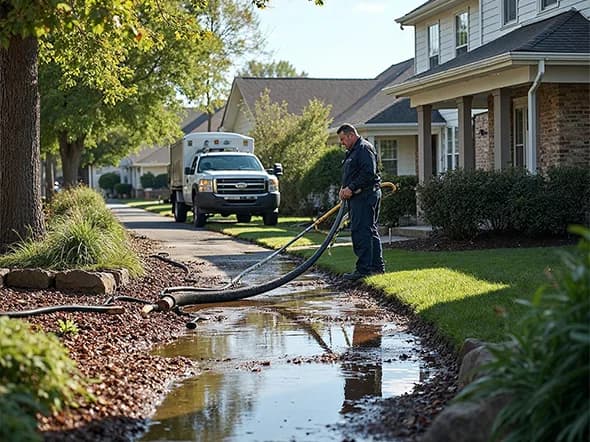
Sewer Backup Cleanup & Sewage Restoration
Sewer backups and sewage spills are Category 3 "black water" emergencies. Our IICRC-certified crews extract the contaminated water, remove what cannot be sanitized, disinfect to hospital grade, dry the structure and rebuild, following OSHA protocols, 24/7 across NY, NJ, PA and CT.
Sewer Backup Cleanup Services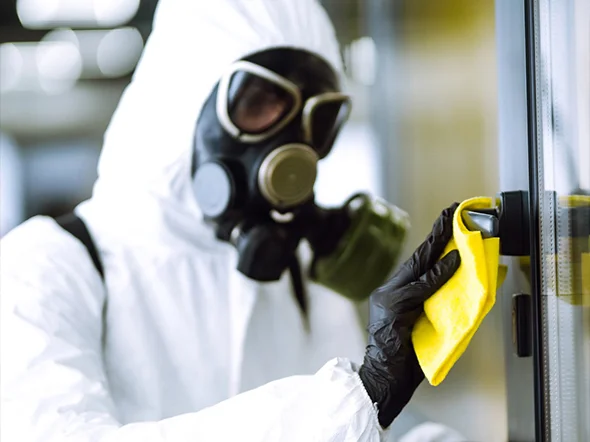
Biohazard Cleanup
Discreet, professional handling of trauma scenes, unattended deaths, hoarding situations, and hazardous materials. Our certified technicians follow strict OSHA protocols with compassionate service.
Biohazard Services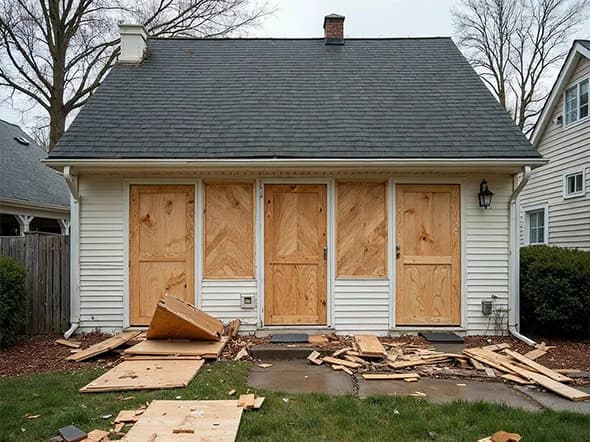
Emergency Board-Up Services
Emergency property securing after storms, fires, or break-ins. We secure broken windows, doors, and structural openings to prevent further damage, theft, and unauthorized access.
Board Up Services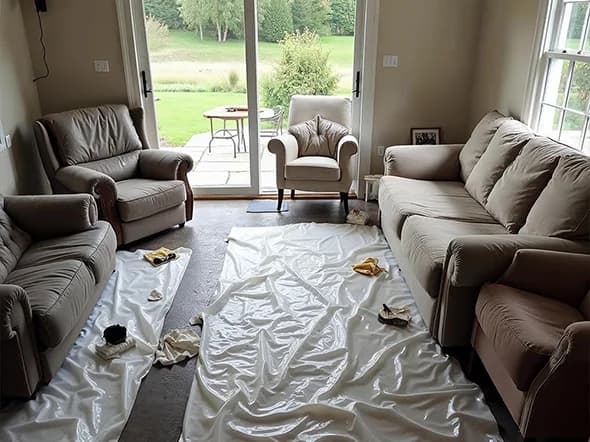
Contents Restoration
Professional cleaning, pack-out, and restoration of furniture, electronics, documents, and personal belongings. Specialized techniques for smoke, water, and mold-damaged items.
Contents ServicesTemporary Solutions When You Need Them
Keep your property safe and functional during emergencies with our temporary power, heating, and cooling solutions available 24/7.
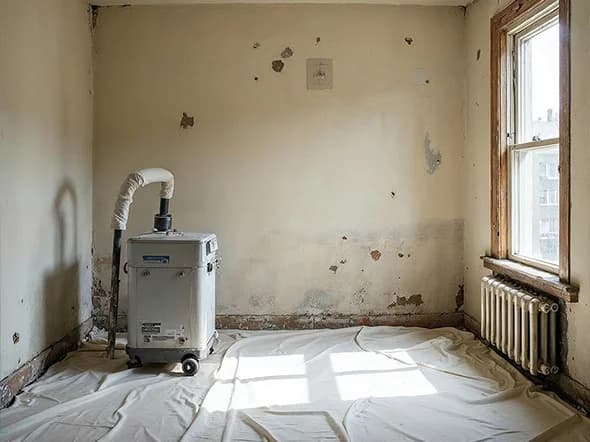
Lead & Asbestos Abatement
Certified professionals safely remove hazardous materials from older properties. Complete inspection, containment, removal, air quality monitoring, and proper disposal per EPA guidelines.
Lead & Asbestos Services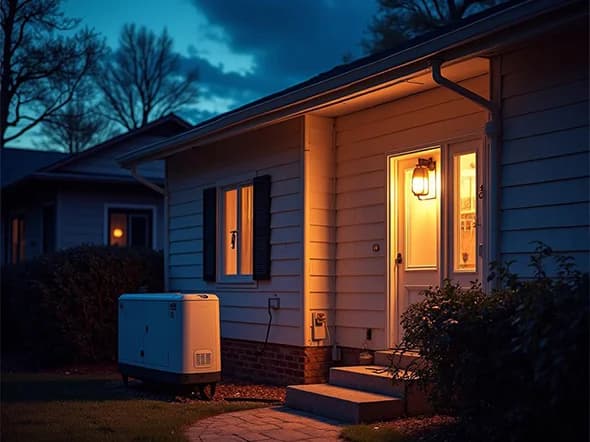
Emergency Power Solutions
Portable generators and temporary power solutions to keep critical systems running during outages. From residential backup to commercial-grade equipment.
Emergency Power Services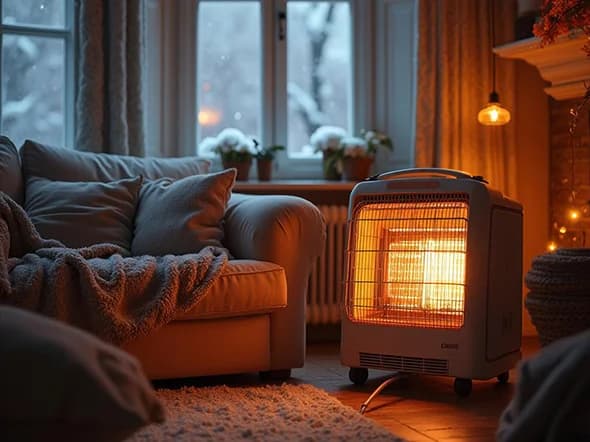
Emergency Heating Solutions
Temporary heating solutions to protect your property from freeze damage and maintain comfortable conditions during winter emergencies.
Emergency Heating Services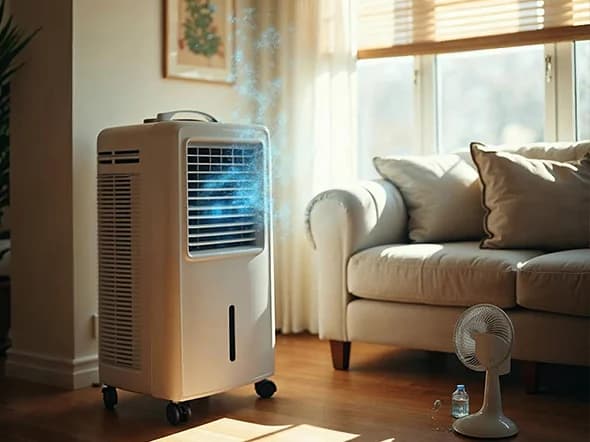
Emergency Cooling Solutions
Portable air conditioning and cooling equipment to prevent heat damage and maintain safe conditions for occupants and sensitive materials.
Emergency Cooling ServicesThe Advanced DRI Difference
When disaster strikes, you need a team you can trust with the experience and resources to restore your property quickly and completely.
Rapid Local Response
Emergency teams dispatched immediately. We arrive fast because every minute matters in preventing further damage.
IICRC Certified
All technicians hold industry certifications and receive ongoing training in the latest restoration techniques.
Insurance Experts
We document everything, communicate with adjusters, and bill insurance directly to streamline your claim.
Guaranteed Results
If you're not completely satisfied with our work, we'll make it right. Your satisfaction is our priority.
The Advanced DRI Restoration Process
Our proven 5-step process ensures thorough restoration with minimal disruption.
Emergency Contact
Call us 24/7. Our team is dispatched within minutes and arrives at your property typically within 90 minutes in nearby service areas. We're available 365 days a year.
Inspection & Assessment
We thoroughly inspect the damage using advanced equipment like thermal imaging and moisture meters. Everything is documented for your insurance claim.
Containment & Mitigation
We contain the damage to prevent spread and begin immediate mitigation. This includes water extraction, board-up services, or whatever your situation requires.
Restoration & Cleaning
Using professional-grade equipment, we restore affected areas, clean all salvageable contents, and eliminate odors and contaminants.
Reconstruction
If needed, our in-house construction team rebuilds and repairs structural damage to return your property to pre-loss condition or better.
What Our Clients Say
Real feedback from property owners who trusted us with their restoration needs.
“Advanced DRI responded to our flooded basement within an hour. Their team was professional, thorough, and kept us informed throughout the entire process. Highly recommend!”
“After a devastating kitchen fire, Advanced DRI arrived within an hour. Their team worked tirelessly for weeks to remove all smoke damage and rebuild our kitchen. The smell is completely gone!”
“We discovered mold in our attic during a home inspection before selling. Advanced DRI provided a detailed assessment, completed the remediation in 4 days, and gave us clearance documentation.”
Common Questions About Our Services
Services by Location
With 11 office locations across 4 states, we provide rapid response to over 1,600 communities throughout the Northeast and Mid-Atlantic.
New York
Hudson Valley - NYC Metro - Long IslandKey cities we serve:
- Poughkeepsie
- Kingston
- Newburgh
- Middletown
- Goshen
New Jersey
Northern NJ - Central NJ - Jersey ShoreKey cities we serve:
- Newark
- Jersey City
- Paterson
- Elizabeth
- Edison
Pennsylvania
Lehigh Valley - Capital Region - Northeast PAKey cities we serve:
- Harrisburg
- Lancaster
- York
- Carlisle
- Hershey
Connecticut
Hartford Area - New Haven - Fairfield CountyKey cities we serve:
- Hartford
- New Haven
- Waterbury
- New Britain
- Middletown
Need Restoration Services?
Whether you're facing an emergency or planning for the future, our team is here to help 24/7. Call now for immediate response.