
How Fairfield's NJ Winter Weather Creates Hidden Water Damage Risks
Rob Temples manages emergency restoration operations for Advanced DRI's Fairfield, NJ and New York City service areas. With 10 years in the restoration industry and prior experience working for a general contractor, he integrates construction knowledge with mitigation expertise on every project and holds an IICRC Water Restoration Technician (WRT) certification.

Discover the signs of water damage in Fairfield NJ that winter storms create. Learn how to find water damage behind walls before it destroys your home.
Why Fairfield's Winter Weather Creates Unique Risks
Fairfield Township sits in a geographic zone that experiences some of New Jersey's most challenging winter conditions. The proximity to the Passaic River combined with Essex County's terrain creates microclimates where temperatures can fluctuate dramatically within a single day. These rapid temperature swings are the primary driver of water damage you can't see forming throughout local homes. When temperatures drop below freezing overnight and rise above 32°F during the day, the constant expansion and contraction of water creates stress on your home's plumbing, roofing, and foundation. Many Fairfield residents don't notice hidden water leak signs until spring arrives and the full extent of winter damage becomes visible.
The Freeze-Thaw Cycle Explained
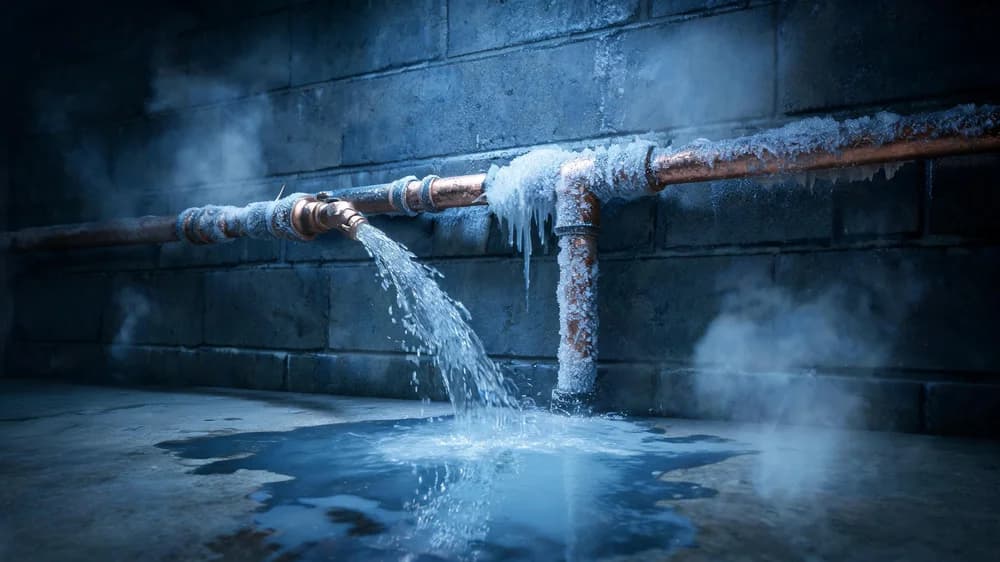
Water expands by approximately 9% when it freezes. In the cracks of your foundation, inside pipe walls, and beneath shingles, this expansion creates microscopic fractures. When temperatures rise, water seeps deeper into these cracks. The next freeze expands them further. By mid-winter, what started as a hairline crack can become a significant entry point for moisture. Knowing how to find water damage early in this cycle prevents catastrophic failures. The key is understanding where to look and what subtle indicators suggest moisture infiltration has begun. Recognizing signs of water damage in Fairfield NJ properties requires vigilance and knowledge of local building patterns.
Ice Dams: A Major Threat to Your Home
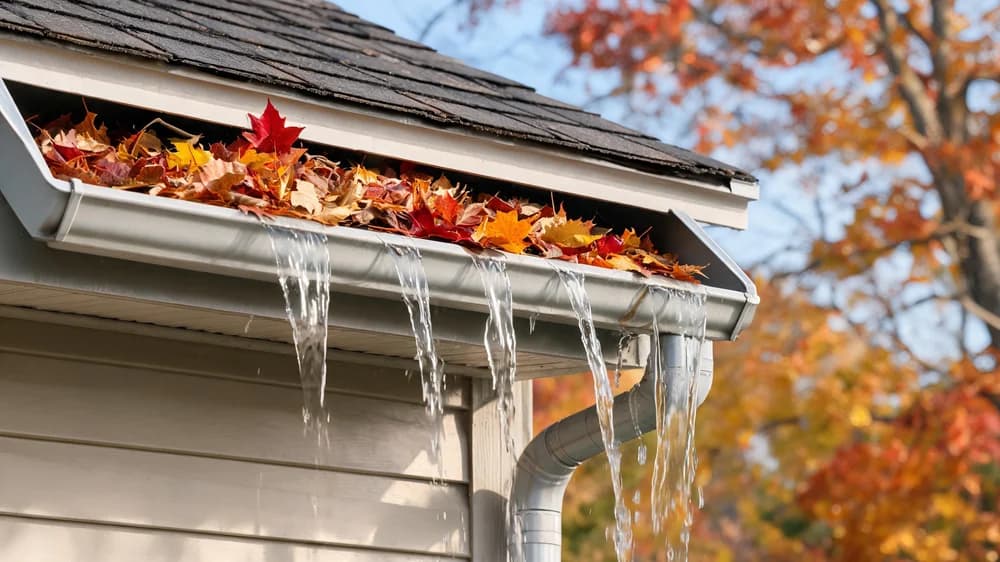
Ice dams form when heat escaping from your home melts snow on the roof. This water runs down to the colder eaves and refreezes, creating a dam that traps water. As more snow melts, water pools behind the dam and seeps under shingles, causing water damage behind walls and ceilings throughout your upper floors.
7 Warning Signs Most Homeowners Miss
Recognizing hidden water leak signs requires knowing what to look for beyond obvious puddles and dripping ceilings. Winter moisture intrusion often manifests in subtle ways that homeowners attribute to normal seasonal changes.
1. Musty Odors When Heating Runs
When your furnace kicks on, it circulates air throughout your home. If you notice a musty, earthy smell only when the heat is running, this indicates water damage you can't see in your ductwork, walls, or crawlspace. Warm air is carrying moisture and mold spores from affected areas.
2. Unexplained Increases in Heating Bills
Wet insulation loses its thermal efficiency dramatically. If your heating costs have increased significantly compared to previous winters without changes in usage patterns, you may have water damage behind walls compromising your insulation. This is particularly common in attics where ice dams have allowed moisture infiltration.
3. Condensation Patterns on Windows
While some window condensation is normal in winter, excessive moisture or condensation that appears only on specific windows indicates localized humidity problems. These patterns often reveal hidden water leak signs in nearby wall cavities.
4. Paint Bubbling or Wallpaper Peeling
In winter, this symptom is frequently dismissed as dry air effects. However, bubbling paint or peeling wallpaper usually indicates moisture is migrating through the wall from behind. This is a classic indicator of water damage behind walls requiring immediate attention.
5. Soft Spots in Flooring
Walk barefoot through your home and pay attention to any areas where the floor feels softer or slightly bouncy. Subfloor damage from water damage you can't see creates these soft spots long before visible damage appears.
6. Frost or Ice in the Attic
If you can access your attic, look for frost on the underside of the roof sheathing or on nail tips. This frost indicates warm, moist air is escaping into your attic space. When temperatures fluctuate, this frost melts and creates ceiling damage.
7. Staining Near the Foundation
After snow melts, check your exterior foundation walls for white, chalky deposits (efflorescence) or rust-colored stains. These signs of water damage in Fairfield NJ indicate water is penetrating your foundation and likely causing damage in your basement or crawlspace.
| Warning Sign | Severity | Location | Action |
|---|---|---|---|
| Musty odors when heating runs | 🟡 Moderate | Ductwork, walls, crawlspace | Professional inspection within 1 week |
| Increased heating bills | 🟡 Moderate | Attic insulation, exterior walls | Thermal imaging assessment |
| Paint bubbling or peeling | 🟠 High | Interior wall surfaces | Moisture meter testing immediately |
| Soft spots in flooring | 🔴 Severe | Subfloor, floor joists | Emergency professional evaluation |
| Attic frost or ice | 🟠 High | Roof sheathing, insulation | Ventilation assessment needed |
| Foundation efflorescence | 🟡 Moderate | Basement, crawlspace walls | Waterproofing evaluation |
Most Vulnerable Areas in Fairfield NJ Homes
Fairfield's housing stock includes a mix of older colonial homes, mid-century ranches, and newer construction. Each style has specific vulnerabilities to winter moisture problems. Understanding where signs of water damage in Fairfield NJ commonly appear makes detection more effective.
Older Homes (Pre-1970)
Many older Fairfield homes feature original cast iron or galvanized steel plumbing. These pipes are particularly susceptible to pinhole leaks that develop over decades of use. When winter temperatures stress these aging pipes, hidden water leak signs often appear first as slight discoloration on basement ceilings or near pipe runs. Additionally, older homes typically have less insulation in exterior walls, creating cold spots where condensation forms. Learning how to find water damage in older construction requires checking these common problem areas.
Split-Level and Ranch Homes
The flat or low-slope roof sections common in these designs are prone to ice dam formation. Snow accumulates, melts from heat escaping through the roof, then refreezes at the eaves. Water backs up under shingles and creates water damage behind walls and ceilings throughout these homes.
Finished Basements
Finished basements in Fairfield homes often conceal water damage you can't see behind drywall and carpet. Foundation seepage that would be immediately visible in an unfinished basement can go undetected for months, allowing mold growth and structural damage to progress unchecked.
Detection Methods That Actually Work
Proactive detection is your best defense against extensive winter damage. Knowing how to find water damage early can save thousands in repairs. These techniques help identify problems when repairs are simpler and less expensive.
Conduct Monthly Visual Inspections
Set a recurring reminder to inspect your home's most vulnerable areas each month during winter. Look for the signs of water damage in Fairfield NJ homes described above, paying particular attention to:
- Ceiling corners where walls meet the roof line
- Around all window and door frames
- Near plumbing fixtures and supply lines
- In closets that share walls with bathrooms
- Along basement walls, especially where the floor meets the wall
Use a Moisture Meter
Inexpensive pin-type moisture meters (available for under $30) can detect elevated moisture levels in drywall and wood before visible damage appears. Testing suspected areas reveals water damage behind walls that visual inspection alone would miss. For accurate readings, test in a grid pattern around suspected areas. Moisture levels above 15% in wood or 1% in drywall indicate hidden water leak signs requiring professional evaluation.
Monitor Your Water Meter
Turn off all water-using appliances and fixtures, then check your water meter. Wait two hours without using any water. If the meter shows usage, you have a leak somewhere in your system. This simple test can reveal water damage you can't see from hidden pipe leaks.
Check Your Attic After Winter Storms
Within 24-48 hours after significant snowfall, inspect your attic if accessible. Understanding how to find water damage in your attic is essential. Look for daylight coming through the roof, frost on rafters, wet insulation, or stains on the underside of the roof deck.
💡 Pro Tip: The Flashlight Test
Shine a flashlight parallel to walls and ceilings in a darkened room. This angle reveals subtle bulges, warping, and texture changes that indicate water damage behind walls. It's an easy way to spot problems before they become obvious.
Understanding Moisture Intrusion in Wall Cavities
When moisture infiltrates wall cavities, the damage it causes is invisible until it breaches the surface. Understanding the progression of water damage behind walls helps you recognize warning signs at each stage.
Stage 1: Initial Moisture Intrusion
Water enters through roof penetrations, window frames, or pipe leaks. At this stage, there are no visible signs of water damage in Fairfield NJ homes. Insulation becomes wet and begins losing effectiveness. Homeowners typically notice nothing unusual.
Stage 2: Moisture Accumulation
Continued moisture intrusion saturates building materials. Wood framing begins absorbing water. You may notice subtle changes: slightly higher humidity in certain rooms, faint musty smells, or minor condensation issues. These early hidden water leak signs are easy to dismiss.
Stage 3: Material Degradation
Drywall paper facing begins deteriorating. Wood shows early signs of rot. Mold colonies establish themselves. Paint may show subtle discoloration or texture changes. At this point, knowing how to find water damage becomes critical—intervention now prevents major repairs later.
Stage 4: Visible Damage
By this stage, water damage you can't see becomes impossible to ignore. Paint bubbles and peels. Drywall becomes soft or crumbly. Mold becomes visible. Structural elements may be compromised. Repair costs multiply significantly compared to early intervention.
⚠️ Warning: Health Risks of Hidden Moisture Damage
Moisture accumulation behind walls creates ideal conditions for mold growth within 24-48 hours. Mold species common in affected New Jersey homes include Aspergillus, Penicillium, and Stachybotrys (black mold). These can cause respiratory issues, allergic reactions, and more serious health problems.If you detect musty odors or observe any hidden water leak signs, address the issue promptly to protect your family's health.
The True Cost of Ignoring Hidden Damage
Fairfield homeowners who delay addressing water damage you can't see face escalating repair costs. Understanding these financial implications emphasizes why recognizing signs of water damage in Fairfield NJ early matters.
| Damage Type | Early Detection Cost | Delayed Response Cost |
|---|---|---|
| Ice dam roof damage | $500 - $1,500 | $5,000 - $15,000+ |
| Pipe leak repair | $200 - $800 | $3,000 - $10,000+ |
| Mold remediation | $500 - $2,000 | $10,000 - $30,000+ |
| Structural repairs | $1,000 - $3,000 | $15,000 - $50,000+ |
Beyond direct repair costs, hidden moisture issues affect your home's value and insurability. Properties with documented problems sell for 10-15% less than comparable homes. Addressing hidden water leak signs promptly protects your investment.
When to Call Professional Restoration Experts
While vigilant homeowners can identify many warning signs, professional evaluation ensures accurate damage assessment and proper remediation. Knowing how to find water damage yourself is valuable, but experts have specialized tools. Call professionals when:
- Moisture meter readings exceed safe thresholds
- You detect musty odors but can't locate the source
- Multiple signs of water damage in Fairfield NJ appear simultaneously
- You suspect moisture problems have progressed beyond early stages
- Any visible mold growth appears
- Your water meter indicates hidden leaks
Professional Detection Tools
Certified restoration specialists use advanced tools that go far beyond homeowner-level detection:
- Thermal imaging cameras: Detect temperature variations indicating water damage behind walls
- Professional-grade moisture meters: Provide precise readings in various building materials
- Borescopes: Allow visual inspection inside wall cavities without destructive testing
- Hygrometers: Measure relative humidity throughout the structure
- Air quality testing: Identify mold spore concentrations indicating water damage you can't see
The Restoration Process
When significant damage is discovered, professional restoration follows a systematic approach:
- Assessment and documentation – Complete evaluation of damage extent for insurance purposes
- Water extraction – Removal of standing water using commercial-grade equipment
- Structural drying – Industrial dehumidifiers and air movers establish proper drying conditions
- Mold prevention/remediation – Treatment of affected areas to prevent or eliminate mold growth
- Repairs and reconstruction – Restoration of damaged materials to pre-loss condition
Expert Detection of Hidden Water Damage in Fairfield
Advanced Disaster Recovery Inc. provides 24/7 emergency response throughout Essex County and Northern New Jersey. Our IICRC-certified technicians use state-of-the-art detection equipment to find hidden water leak signs and water damage behind walls throughout your property.📞 Call Now: (866) 926-3473
Protecting Your Fairfield Home This Winter
Winter in Fairfield doesn't have to mean anxiety about water damage you can't see. By understanding the unique weather challenges our area faces, recognizing the signs of water damage in Fairfield NJ, and knowing how to find water damage early, you can protect your property and your family. Regular inspections, prompt attention to hidden water leak signs, and professional help when needed form your best defense against costly water damage behind walls. Remember that what you can't see today becomes tomorrow's expensive emergency. Take action now: conduct a thorough inspection of your home using the techniques outlined in this guide. If you discover any warning signs, don't wait. Early intervention is always more affordable than emergency repairs.
Frequently Asked Questions
Categories
Need Restoration Services?
Our team is available 24/7 for emergency response. Call us today for a free phone consultation.

Questions About Restoration?
Our experts are ready to help. Contact us for a free consultation.