Sewage Backup During Heavy Rain: Why It Happens and What to Do
Rob Temples manages emergency restoration operations for Advanced DRI's Fairfield, NJ and New York City service areas. With 10 years in the restoration industry and prior experience working for a general contractor, he integrates construction knowledge with mitigation expertise on every project and holds an IICRC Water Restoration Technician (WRT) certification.
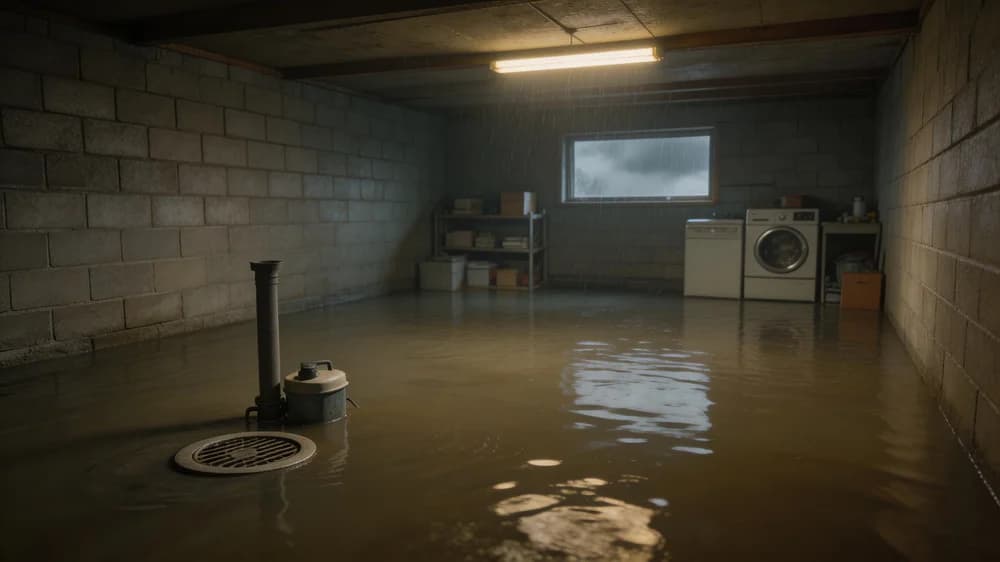
Learn why sewage backs up during heavy rain and what immediate steps to take. Advanced DRI provides 24/7 sewage cleanup across NY, NJ, PA & CT.
Why Sewage Backs Up During Heavy Rainstorms
When heavy rain overwhelms municipal sewer systems across New York, New Jersey, Pennsylvania, and Connecticut, homeowners and business owners often face one of the most distressing property emergencies imaginable: raw sewage backing up through floor drains, toilets, and sinks. At Advanced DRI, our sewage cleanup teams respond to these calls year-round, and we understand both the health risks and the emotional toll that sewage intrusion causes.
Understanding why sewage backups happen during storms is the first step toward protecting your property and knowing when to call for professional help.
The Science Behind Storm-Related Sewage Backups
Combined Sewer Overflows (CSOs)
Many older cities in the Northeast use combined sewer systems that carry both stormwater runoff and sanitary sewage through the same pipes. During heavy rain, the volume of water entering these pipes can exceed their capacity many times over. When this happens, the system backs up, and sewage can flow in reverse through the lowest drains in your property, typically basement floor drains and ground-level fixtures.
Saturated Municipal Systems
Even in areas with separated storm and sanitary sewer lines, heavy rainfall can infiltrate sanitary sewer pipes through cracks, deteriorated joints, and illegal connections. This infiltration overloads the sanitary system beyond its designed capacity, creating the same backflow conditions.
Tree Root Intrusion and Pipe Damage
Tree roots naturally seek out moisture and can penetrate sewer laterals (the pipe connecting your property to the main sewer line). During dry periods, these roots may only partially obstruct flow. But when heavy rain increases volume, the combination of root blockage and high water volume creates a backup that pushes sewage into your property.
Failed Backwater Valves
Properties equipped with backwater prevention valves should be protected from reverse flow. However, these valves can fail due to age, debris accumulation, or improper installation. During a major storm event, a failed backwater valve offers no protection against the surge of sewage pressure.
Health Hazards of Sewage Contamination
Sewage backup is classified as a Category 3 water loss, the most hazardous classification in the restoration industry. This water contains:
- Pathogenic bacteria including E. coli, Salmonella, and Shigella
- Viruses such as Hepatitis A and Rotavirus
- Parasites including Giardia and Cryptosporidium
- Chemical contaminants from household and industrial sources
Exposure to these contaminants can cause severe gastrointestinal illness, skin infections, respiratory problems, and other serious health conditions. This is why sewage cleanup should never be treated as a DIY project.
Immediate Steps When Sewage Backs Up
1. Prioritize Safety
Do not wade through sewage-contaminated water. If standing water is present, avoid the affected area entirely. Sewage water can conceal electrical hazards, sharp objects, and concentrated biological contaminants. Turn off electrical power to affected areas only if you can do so without stepping in contaminated water.
2. Stop Water Use
If sewage is backing up through your drains, stop all water use in the building immediately. Running water, flushing toilets, or using washing machines will add volume to an already overwhelmed system and worsen the backup.
3. Ventilate If Possible
Open windows in affected areas to improve air circulation. Sewage produces hydrogen sulfide gas and methane, both of which pose health risks in enclosed spaces.
4. Call Professional Sewage Cleanup Immediately
Time is critical with sewage contamination. Within hours, bacteria begin multiplying on contaminated surfaces, and porous materials like drywall, carpet, and insulation begin absorbing contaminated water. Contact Advanced DRI immediately for emergency sewage cleanup. Our teams are available 24/7 and can typically arrive within hours across our NY, NJ, PA, and CT service areas.
5. Document Everything
Before any cleanup begins, document the damage with photos and video for insurance purposes. Note the date and time the backup occurred, the weather conditions, and the extent of contamination.
How Advanced DRI Handles Sewage Cleanup
Our professional sewage cleanup process follows strict industry protocols to ensure complete decontamination:
- Contaminated water extraction using truck-mounted pumps and industrial extractors
- Removal of contaminated materials including carpet, padding, drywall below the flood line, and insulation
- Antimicrobial treatment of all affected surfaces using EPA-registered disinfectants
- Structural drying with commercial-grade dehumidifiers and air movers
- Air scrubbing and HEPA filtration to remove airborne contaminants
- Clearance testing to verify decontamination before reconstruction
When sewage damage extends to personal belongings, furniture, and important documents, our contents restoration team evaluates each item for salvageability and applies specialized cleaning and decontamination techniques.
Preventing Future Sewage Backups
While you cannot control municipal sewer capacity, you can take steps to protect your property:
- Install a backwater prevention valve on your sewer lateral to prevent reverse flow
- Maintain your sewer lateral with regular inspections and root cutting
- Install a sump pump with battery backup for basement protection during power outages
- Disconnect downspouts from the sanitary sewer system if your area allows it
- Consider a sewage ejector pump for below-grade bathrooms and laundry areas
Insurance Considerations
Standard homeowners insurance policies typically do not cover sewer backup damage. A separate sewer backup endorsement or rider is usually required. We strongly recommend reviewing your policy before the next storm. Our team can work directly with your insurance adjuster to document losses and support your claim.
Frequently Asked Questions
How quickly should sewage be cleaned up?
Sewage cleanup should begin within hours of the backup, not days. Bacteria multiply rapidly in contaminated environments, and porous building materials absorb sewage quickly. The longer contaminated water sits, the more extensive and costly the restoration becomes. Advanced DRI offers 24/7 emergency response across our service area.
Can I clean up sewage myself?
We strongly advise against DIY sewage cleanup. Category 3 water contains dangerous pathogens that require professional-grade personal protective equipment, EPA-registered antimicrobials, and specialized extraction and drying equipment. Improper cleanup can leave hidden contamination that causes ongoing health problems.
Will my homeowners insurance cover sewage backup?
Most standard policies exclude sewer backup coverage unless you have purchased a specific sewer backup endorsement. Check with your insurance provider to confirm your coverage. Advanced DRI works with all major insurance carriers and can assist with the claims documentation process.
How do I know if my sewer line is at risk during heavy rain?
Warning signs include slow drains throughout the building before or during rain, gurgling sounds from toilets or drains, and any history of previous backups. If your property has experienced even a minor backup, contact Advanced DRI for an assessment and prevention recommendations.
How long does professional sewage cleanup take?
The timeline depends on the extent of contamination. A minor backup affecting a small area may be cleaned and dried within three to five days. A major backup involving multiple rooms or an entire basement level can take one to two weeks for complete decontamination and drying, followed by reconstruction of removed materials.
Categories
Need Restoration Services?
Our team is available 24/7 for emergency response. Call us today for a free phone consultation.


Questions About Restoration?
Our experts are ready to help. Contact us for a free consultation.