
Rob Temples manages emergency restoration operations for Advanced DRI's Fairfield, NJ and New York City service areas. With 10 years in the restoration industry and prior experience working for a general contractor, he integrates construction knowledge with mitigation expertise on every project and holds an IICRC Water Restoration Technician (WRT) certification.
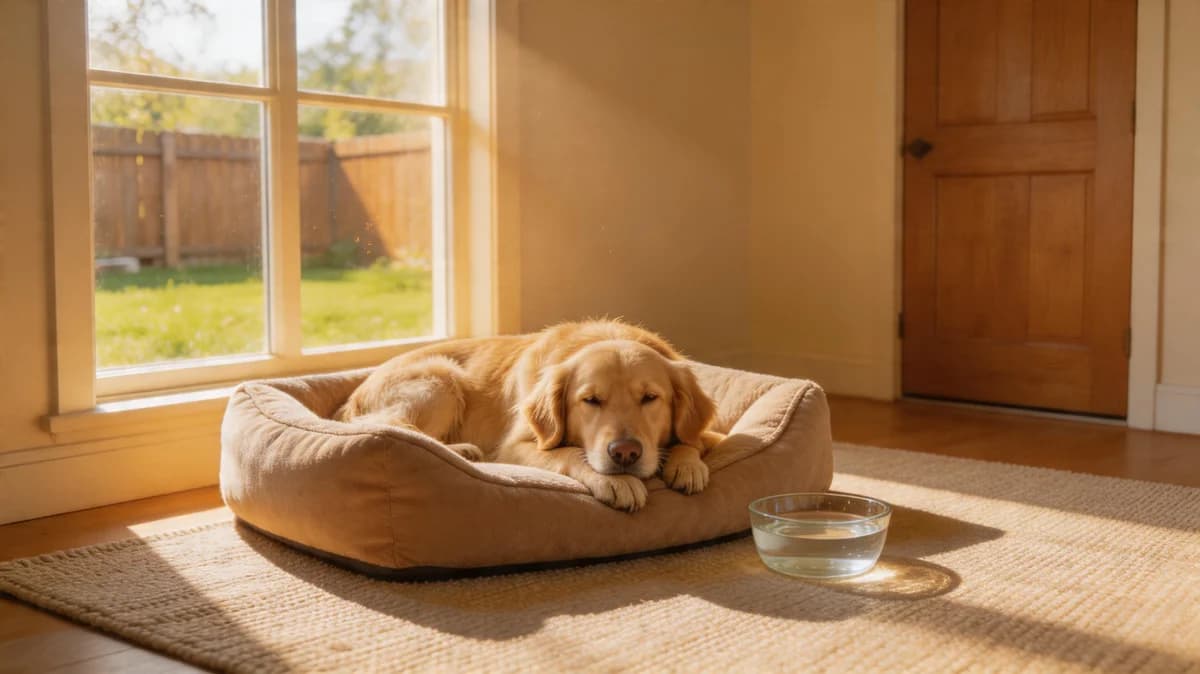
Keep pets calm and safe while your home is being restored. Advanced DRI shares practical tips for dogs, cats, and small pets during construction disruption.
Pets Feel the Disruption Too
When a restoration project begins, households often focus on protecting valuables, coordinating with insurance, and finding temporary housing. Pets tend to be an afterthought until something goes wrong. A startled dog escapes through an open door, a cat hides inside a wall cavity, a rabbit reacts to dust from demolition.
At Advanced DRI, our crews work in hundreds of homes each year, and pets are part of almost every one of them. We have learned that a little planning before work begins prevents nearly every pet-related problem. This guide shares what we recommend to homeowners before the first crew arrives.
Why Restoration Environments Stress Pets
Restoration work involves everything pets find unsettling: strangers in the home, loud tools, unfamiliar smells, disrupted routines, and physical changes to their territory. Dogs may bark, lunge, or hide. Cats often disappear into hiding spots and refuse to eat. Smaller animals like rabbits and birds are sensitive to dust and fumes that seem minor to humans.
Common Pet Stress Signs to Watch For
- Loss of appetite or changes in water intake
- Hiding for extended periods
- Excessive vocalizing, panting, or pacing
- Accidents in normally house-trained pets
- Unusual aggression or withdrawal
- Changes in grooming habits
These signs do not always mean something serious is wrong, but they indicate that the pet is having a harder time than usual. Give extra patience and attention when you see them.
Before Work Begins
The best pet safety plan starts before the first crew arrives. A short conversation with your restoration team, combined with some preparation around the house, prevents nearly every issue we see during a project.
Tell the Restoration Team About Your Pets
- Note the number and types of pets and where they will be during work
- Identify any pet that bites, runs, or has other risks crews should know about
- Ask for crews to always check for pets before opening exterior doors
- Agree on communication if a pet gets out or appears distressed
Create a Containment Plan
Decide where your pets will be each day while work happens. A closed bedroom with food, water, a litter box, and familiar toys is often enough for cats. Dogs may do better in a crate in a quiet area or boarded at a friend's house during the noisiest phases. Small pets and birds generally need to be moved entirely off-site during demolition and dust-heavy work.
Air Quality and Chemical Exposure
Some restoration work involves cleaning agents, paints, sealants, or antimicrobial treatments that can irritate sensitive animals. Always ask your restoration team about products being used and whether pets should be out of the area while those products dry or cure.
Pets Most at Risk
- Birds have highly sensitive respiratory systems and should generally be off-site during any active work
- Reptiles and amphibians can react poorly to temperature swings and airborne chemicals
- Small mammals such as rabbits, guinea pigs, and ferrets are more sensitive to dust than dogs or cats
- Fish can be affected by airborne particulates settling in tanks; covers and filter adjustments help
Strategies by Pet Type
Dogs
Most dogs do best either fully contained in a quiet room or entirely off the property during the noisiest days. Long walks before work begins burn off energy. White noise or classical music in the containment room masks construction sounds. Make sure collars and ID tags are secure, and double-check that microchip information is current.
Cats
Cats often hide for the duration of a project. Provide a quiet room with all essentials, and resist the urge to drag them out for comfort. Letting them choose their hiding spot reduces their stress. Confirm that crews know the cat's room is off-limits and doors should stay closed.
Small Pets and Exotics
Rabbits, guinea pigs, birds, reptiles, and fish usually benefit from being entirely relocated during demolition, heavy cleaning, or chemical application. A friend's home, a boarding facility, or temporary housing with you is safer than leaving them in the work zone.
The Role of the Restoration Team
A professional restoration company should treat pets as part of the project, not an obstacle. Our crews at Advanced DRI are briefed on pet situations before they arrive, and we build checks into our daily routines to prevent accidents. When you work with our restoration services, your pets are part of the plan.
What to Expect From Your Team
- Daily check-in on pet location before opening doors or gates
- Noise and schedule considerations when possible
- Communication about products and timing of chemical work
- Quick response if a pet appears stressed or escapes
When to Consider Boarding or a Pet Sitter
For long or disruptive projects, temporary boarding may be the kindest option for everyone. Some pets adapt poorly to containment, and the financial cost of boarding is often less than the emotional cost of weeks of stress. A trusted pet sitter or a family member's home is another option that keeps pets in a familiar routine.
Our team at Advanced DRI regularly works with families juggling pets, temporary housing, and work schedules. We can help you understand which phases of the project are most disruptive so you can time boarding or sitter arrangements strategically.
Keep Your Whole Family Safe
A restoration project is stressful enough without worrying about a pet emergency. With a little planning, your pets can come through the process just as safely as your home. Contact Advanced DRI today to discuss your project and how we can work around the four-legged members of your household.
Frequently Asked Questions
Can I keep my pets at home during restoration work?
For many projects, yes, as long as they are safely contained in an unaffected area with fresh air, water, and regular attention. For major demolition, mold remediation, or chemical treatments, moving pets off-site is usually safer.
What if my pet is anxious and cannot be easily contained?
Talk with your veterinarian about short-term anxiety support, which may include pheromone diffusers, calming supplements, or in some cases medication. Boarding at a quiet facility or staying with a friend often helps anxious pets more than any in-home strategy.
Should I tell my restoration company about an aggressive or fearful pet?
Absolutely. Restoration teams need to know about any pet that might bite, run, or react poorly to strangers. Clear communication protects both the crew and the animal, and a good company will adjust their protocols accordingly.
Categories
Need Restoration Services?
Our team is available 24/7 for emergency response. Call us today for a free phone consultation.


Questions About Restoration?
Our experts are ready to help. Contact us for a free consultation.