
Ice Dam Damage: Prevention and Restoration for Northeast Homes
Tyler McClelland leads mitigation operations for Advanced DRI across New York's Hudson Valley, directing water, mold, and large-loss response in the field. He holds IICRC Water Restoration Technician (WRT) and Applied Microbial Remediation Technician (AMRT) certifications and a New York State Mold Supervisor certification, and is trained in IRCA hospital safe construction practices recognized by The Joint Commission.
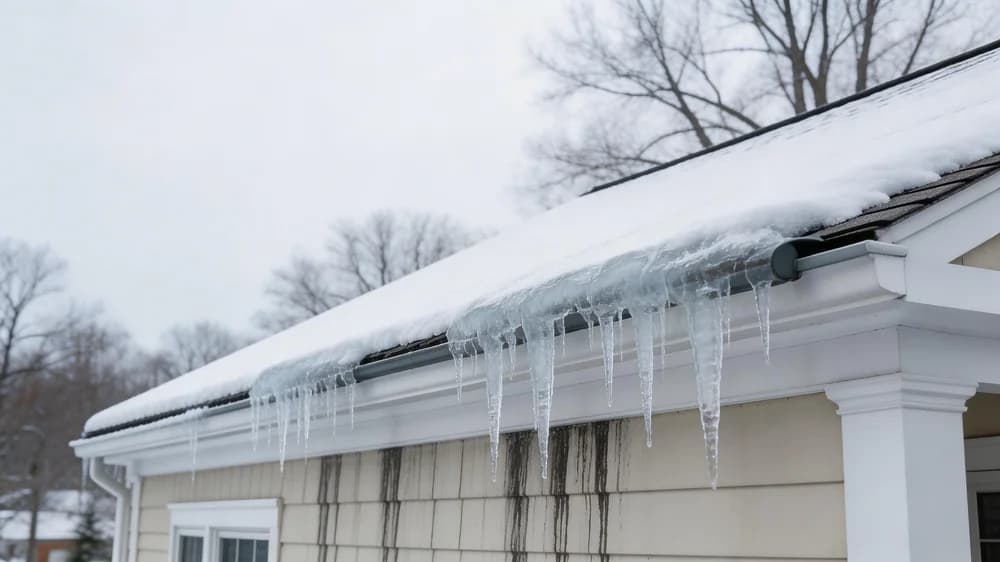
Ice dams cause serious water damage to Northeast homes. Learn prevention strategies and how Advanced DRI restores ice dam damage across NY, NJ, PA & CT.
Ice Dam Damage: Prevention and Restoration for Northeast Homes
Every winter, homeowners across New York, New Jersey, Pennsylvania, and Connecticut face a persistent and destructive threat: ice dams. These ridges of ice that form along roof edges may look like ordinary winter scenery, but they can cause thousands of dollars in hidden water damage to your home's interior, insulation, walls, and structural framing. At Advanced DRI, we restore dozens of properties each winter season from ice dam-related water intrusion, and we know that understanding the problem is the first step toward protecting your home.
What Are Ice Dams and How Do They Form?
An ice dam forms when heat escaping from your attic warms the upper portion of your roof, melting accumulated snow. The meltwater runs down toward the eaves, which remain below freezing because they extend beyond the heated living space. When that water reaches the cold eaves, it refreezes, forming a ridge of ice that grows larger with each freeze-thaw cycle.
As the ice dam builds, it creates a barrier that traps additional meltwater behind it. This pooling water has nowhere to go but under your shingles, through your roof deck, and into your home. The result is water damage that can affect:
- Attic insulation and framing
- Interior ceilings and walls
- Exterior soffits and fascia
- Electrical wiring within wall cavities
- Paint and drywall throughout upper floors
Why Northeast Homes Are Especially Vulnerable
The Northeast's climate creates ideal conditions for ice dam formation. Fluctuating winter temperatures, heavy snowfall followed by brief warm spells, and the prevalence of older homes with inadequate insulation all contribute to the problem. Many colonial, Cape Cod, and Victorian-era homes in our service area were built before modern energy codes, making them particularly susceptible to the heat loss that drives ice dam formation.
Additionally, the architectural features common in Northeast homes, such as complex rooflines, dormers, valleys, and skylights, create multiple points where ice dams can form and water can infiltrate.
Signs of Ice Dam Damage Inside Your Home
Ice dam damage is not always immediately obvious. Watch for these warning signs during and after winter weather:
- Water stains on ceilings or walls, particularly in upper-floor rooms and near exterior walls.
- Peeling paint or bubbling wallpaper on interior surfaces near the roofline.
- Damp or musty odors in the attic or upper floors, which may indicate mold growth.
- Sagging or discolored drywall that suggests moisture accumulation behind the surface.
- Ice or frost on interior attic surfaces, including the underside of the roof deck and rafters.
- Wet insulation in the attic, which loses its thermal effectiveness when saturated.
If you notice any of these signs, contact Advanced DRI for a professional moisture assessment. Our technicians use infrared thermal imaging and moisture meters to identify the full extent of water intrusion that may not be visible to the naked eye.
Ice Dam Prevention Strategies
The most effective defense against ice dams is preventing them from forming in the first place. Here are the key strategies:
Improve Attic Insulation
Adequate attic insulation prevents heat from your living space from warming the roof deck. The U.S. Department of Energy recommends R-49 to R-60 insulation for attics in the Northeast. Many older homes have significantly less. Upgrading insulation is one of the most cost-effective ways to prevent ice dams while also reducing your heating bills.
Ensure Proper Attic Ventilation
A well-ventilated attic allows cold outside air to circulate beneath the roof deck, keeping the entire roof surface at a uniform temperature. This requires balanced intake vents at the soffits and exhaust vents at the ridge. Blocked or insufficient ventilation is one of the most common causes of ice dam formation.
Seal Air Leaks
Warm air from your living space can bypass insulation through gaps around light fixtures, plumbing vents, attic hatches, and chimney chases. Sealing these penetrations with caulk, spray foam, or weatherstripping reduces heat transfer to the attic.
Install Ice and Water Shield
When it is time to replace your roof, have your contractor install ice and water shield membrane along the eaves, in valleys, and around penetrations. This self-adhering membrane creates a waterproof barrier that protects against leaks even if an ice dam forms.
Keep Gutters Clean
While clogged gutters do not directly cause ice dams, they can worsen the problem by providing a foundation for ice buildup. Clean gutters before winter and ensure downspouts direct water away from the foundation.
What NOT to Do About Ice Dams
Some commonly recommended ice dam solutions can actually cause more harm than good:
- Do not hack at ice dams with axes, hammers, or ice picks. You will likely damage your shingles, gutters, and flashing, creating new entry points for water.
- Do not use rock salt or calcium chloride in pantyhose on your roof. Chemical deicers can stain and corrode roofing materials and damage landscaping below.
- Do not direct heat sources at ice dams. Propane torches and heat guns create fire hazards and uneven melting that can worsen water intrusion.
If an ice dam has already formed and is causing active leaking, call a professional. Advanced DRI can coordinate safe ice dam removal with steam equipment that will not damage your roofing materials.
Advanced DRI's Ice Dam Damage Restoration Process
When ice dam damage has already occurred, professional restoration is essential to prevent long-term structural problems and mold growth. Our water damage restoration process for ice dam damage includes:
- Emergency water extraction to remove standing water from attics, ceilings, and wall cavities.
- Structural drying using commercial-grade dehumidifiers and air movers, with daily moisture monitoring to verify complete drying.
- Insulation removal and replacement when existing insulation is saturated and no longer effective.
- Mold inspection and remediation. Ice dam leaks often go unnoticed for weeks, creating ideal conditions for mold growth. Our mold remediation team addresses any contamination found during the restoration process.
- Drywall, paint, and finish repairs to restore your home's interior to pre-damage condition.
- Insurance claim coordination with detailed documentation and direct communication with your adjuster.
When to Call for Professional Help
Do not wait until spring to address ice dam damage. Moisture trapped inside walls and attic spaces during winter months creates an environment where mold can establish itself and structural wood can begin to rot. The sooner you address the problem, the less extensive and costly the restoration will be.
Contact Advanced DRI if you notice any signs of water intrusion during the winter months. Our storm damage team serves homeowners throughout New York, New Jersey, Pennsylvania, and Connecticut with 24/7 emergency response for winter weather damage.
Frequently Asked Questions
Does homeowner's insurance cover ice dam damage?
Most homeowner's insurance policies cover the interior water damage caused by ice dams, including damage to ceilings, walls, insulation, and personal property. However, they typically do not cover the cost of removing the ice dam itself or making improvements to prevent future ice dams. Advanced DRI works directly with insurance companies to document and maximize your covered claim.
How quickly can mold develop from an ice dam leak?
Mold can begin growing within 24 to 48 hours in damp, enclosed spaces like wall cavities and attic framing. Because ice dam leaks often go undetected for days or weeks, mold growth is a common secondary issue. Professional moisture testing and mold inspection should be part of any ice dam damage restoration.
Can ice dams damage my home's foundation?
Indirectly, yes. When ice dams cause gutters to overflow or detach, water is deposited directly against your foundation instead of being directed away through downspouts. Over time, this can lead to basement water intrusion, foundation erosion, and freeze-thaw cracking in masonry foundations common in Northeast homes.
Should I remove snow from my roof to prevent ice dams?
Removing snow from the lower three to four feet of your roof with a roof rake can reduce ice dam formation by eliminating the meltwater source. However, only do this from the ground using a proper roof rake. Never climb onto an icy or snow-covered roof, and be careful not to damage shingles during the process.
Categories
Need Restoration Services?
Our team is available 24/7 for emergency response. Call us today for a free phone consultation.

Questions About Restoration?
Our experts are ready to help. Contact us for a free consultation.