Emergency Water Mitigation Services: Fast Response to Protect Your Property
Rob Temples manages emergency restoration operations for Advanced DRI's Fairfield, NJ and New York City service areas. With 10 years in the restoration industry and prior experience working for a general contractor, he integrates construction knowledge with mitigation expertise on every project and holds an IICRC Water Restoration Technician (WRT) certification.

Water mitigation services, 24/7. Fast emergency water extraction, structural drying & damage control across NY, NJ, PA & CT. Stop the damage now — call Advanced DRI.
Need water mitigation fast? Emergency water mitigation stops damage from spreading — the sooner a certified crew extracts standing water and starts structural drying, the less you lose to mold and rot. Advanced Disaster Recovery Inc. provides 24/7 water mitigation across the Northeast, including the Hudson Valley, Harrisburg, and New York City. See our water damage restoration services or contact us for an immediate response.
Understanding Emergency Water Mitigation
Emergency water mitigation encompasses the immediate actions taken to stop water damage progression and begin property stabilization. Unlike restoration, which focuses on returning property to pre-loss condition, water mitigation prioritizes damage prevention and control. This critical first phase sets the foundation for successful restoration outcomes. Professional water mitigation services address several urgent priorities simultaneously. Teams work to stop water sources, extract standing water, remove saturated materials, establish drying conditions, and prevent secondary damage like mold growth. This multi-faceted approach requires specialized training, equipment, and coordination that homeowner efforts simply cannot match.
| Mitigation Phase | Primary Objectives | Timeframe |
|---|---|---|
| Emergency Response | Stop water source, assess safety hazards, begin extraction | 0-2 hours |
| Water Removal | Extract standing water, remove saturated materials | 2-24 hours |
| Drying Setup | Deploy dehumidifiers, air movers, establish monitoring | 24-48 hours |
| Ongoing Monitoring | Track moisture levels, adjust equipment, document progress | 3-7 days |
The distinction between mitigation and restoration matters for insurance purposes as well. Most policies cover emergency water mitigation as part of loss prevention, even when certain restoration work might face coverage limitations. Understanding this distinction helps property owners make informed decisions during crisis situations.
Why Speed Matters in Water Mitigation
Water damage follows a predictable progression that accelerates over time. Within the first hour, water begins absorbing into porous materials like drywall, carpet, and wood. By 24 hours, materials may become permanently damaged, and conditions favorable to mold growth develop. After 48 hours, structural damage compounds, mold colonies establish, and restoration complexity increases dramatically. Professional 24/7 emergency restoration services exist because water emergencies don't follow business hours. The difference between a two-hour response and a twelve-hour response can mean the difference between saving and replacing major building components. This time sensitivity drives the restoration industry's commitment to rapid deployment.
The Water Damage Timeline
First 60 Minutes: Water spreads rapidly across floors and begins wicking upward through walls. Furniture begins absorbing moisture, and paper goods start deteriorating. Metal surfaces begin oxidizing, and electronics face immediate risk. 2-24 Hours: Drywall absorbs significant moisture, becoming structurally compromised. Wood flooring begins warping, and subfloor materials saturate. Odors develop as organic materials begin breaking down. Furniture may become unsalvageable. 24-48 Hours: Mold spores activate in saturated materials, beginning colony establishment. Structural wood starts swelling and warping. Paint and wallpaper blister and peel. Restoration costs increase substantially. Beyond 48 Hours: Mold growth becomes visible and spreads aggressively. Structural integrity faces serious compromise. Contents damage becomes largely irreversible. Full mold remediation may become necessary alongside water damage restoration. Pro Tip: Document water damage immediately with photographs and video before any cleanup begins. This documentation supports insurance claims and provides baseline records for measuring restoration progress.
Professional Water Mitigation Equipment and Techniques
Effective water mitigation requires specialized equipment that most property owners don't possess. Professional restoration companies invest substantially in advanced technology that accelerates water removal and drying while minimizing property disruption.
Water Extraction Equipment
Commercial water extractors remove standing water far more efficiently than consumer-grade wet vacuums. Truck-mounted extraction units can remove thousands of gallons per hour from flooded properties. Portable extractors access confined spaces and upper floors where truck-mounted units cannot reach. Weighted extraction tools remove water trapped in carpet and pad without requiring removal. This approach preserves flooring materials when contamination levels permit, reducing restoration costs and timeline. Specialized hard floor extractors address water trapped in grout lines and beneath tile installations.
Structural Drying Systems
Professional drying combines high-volume air movement with industrial dehumidification to remove moisture from building materials. Centrifugal air movers create airflow patterns that accelerate evaporation from walls, floors, and ceiling materials. Strategic placement based on moisture mapping ensures efficient drying throughout affected areas. Low-grain refrigerant dehumidifiers remove hundreds of pints of water vapor daily from enclosed spaces. This captured moisture drains continuously, maintaining optimal drying conditions without manual intervention. Desiccant dehumidifiers address extreme humidity situations where refrigerant units cannot achieve target conditions.
| Equipment Type | Function | Typical Capacity |
|---|---|---|
| Truck-Mounted Extractor | High-volume water removal | 3,000+ gallons per hour |
| Portable Extractor | Confined space extraction | 100-200 gallons per hour |
| Air Mover | Surface air circulation | 2,500-3,000 CFM per unit |
| LGR Dehumidifier | Atmospheric moisture removal | 150-300 pints per day |
| Desiccant Dehumidifier | Extreme humidity control | 400+ pints per day |
Monitoring and Documentation Tools
Moisture meters measure water content within building materials, guiding equipment placement and tracking drying progress. Pin-type meters provide precise readings at specific depths, while pinless meters survey larger areas quickly. Thermal imaging cameras reveal moisture patterns invisible to the naked eye. Hygrometers monitor ambient humidity levels, confirming drying equipment effectiveness. Daily readings document conditions throughout the mitigation process, creating records that support insurance claims and demonstrate professional-standard restoration.
The Emergency Water Mitigation Process
Professional water mitigation follows established protocols that ensure thorough, effective response regardless of emergency circumstances. Understanding this process helps property owners know what to expect and how they can support mitigation efforts.
Initial Emergency Response
Mitigation begins with rapid assessment of the water emergency. Technicians identify and stop active water sources when possible, whether shutting off supply valves, addressing appliance failures, or coordinating with utilities. Safety hazards including electrical risks, structural instability, and contamination levels are evaluated before work proceeds. Emergency board-up services may be necessary if water intrusion resulted from storm damage or structural failure. Protecting the property from additional water entry and security threats becomes priority while interior mitigation proceeds.
Water Classification and Categorization
Professional mitigation includes water classification that guides appropriate response protocols. Water categories reflect contamination levels, with Category 1 representing clean water from supply lines, Category 2 indicating gray water with some contamination, and Category 3 designating black water with sewage or serious contamination. Water class indicates how extensively materials have absorbed moisture and how much evaporation must occur during drying. Class 1 affects only part of a room with minimal absorption, while Class 4 involves deeply saturated materials requiring specialized drying techniques. Proper classification ensures appropriate methods address specific conditions.
Extraction and Material Removal
Standing water extraction begins immediately following assessment. Professional water extraction removes the bulk of free water rapidly, preventing further material saturation. Technicians work systematically through affected areas, ensuring complete removal from all accessible spaces. Saturated materials that cannot be effectively dried may require removal. Wet carpet padding typically requires replacement even when carpet can be saved. Severely water-damaged drywall, insulation, and other porous materials may need removal to prevent mold growth and ensure thorough drying of structural components. Warning: Never attempt to use household appliances like vacuums or fans for water cleanup. Consumer equipment lacks the capacity for effective mitigation and may create electrical hazards when used around water.
Drying Equipment Deployment
After extraction, technicians deploy drying equipment based on moisture mapping results. Air movers position to create airflow across wet surfaces and into wall cavities. Dehumidifiers remove water vapor that evaporates from building materials. Equipment quantity and placement reflect specific conditions in each affected area. Specialty drying techniques address challenging situations. Hardwood floor drying systems direct airflow beneath flooring to preserve installations. Wall cavity drying introduces air behind finished surfaces to address hidden moisture. These targeted approaches often save materials that would otherwise require replacement.
Monitoring and Adjustment
Effective mitigation requires ongoing monitoring throughout the drying process. Technicians return daily to measure moisture levels, document conditions, and adjust equipment as needed. This active management optimizes drying while preventing over-drying that can damage certain materials. Drying continues until moisture levels return to normal ranges appropriate for your climate and construction type. Premature equipment removal leaves residual moisture that enables mold growth and causes ongoing damage. Professional monitoring ensures complete drying before declaring mitigation complete.
Common Water Emergency Scenarios
Water emergencies arise from diverse causes, each presenting unique mitigation challenges. Understanding common scenarios helps property owners recognize emergencies and respond appropriately.
Burst Pipes and Supply Line Failures
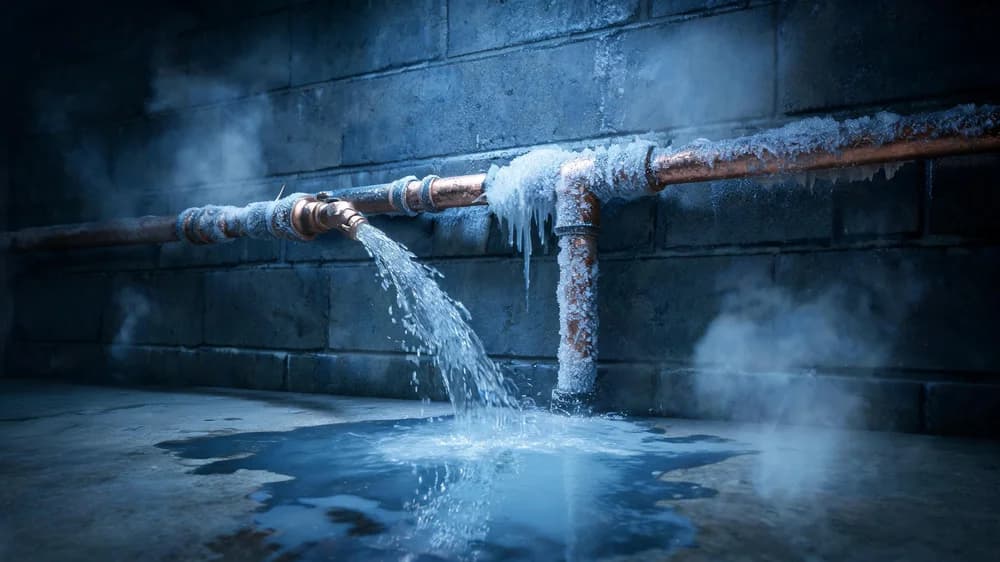
Pipe failures can release hundreds of gallons of water within minutes, flooding multiple rooms or floors before discovery. Frozen pipe bursts during winter, aging pipe failures, and connection failures at appliances or fixtures cause significant damage rapidly. Immediate water shutoff at the main valve limits damage while awaiting professional response.
Appliance Failures
Washing machines, dishwashers, water heaters, and refrigerators with ice makers all present water damage risks. Supply line failures, internal leaks, and drainage problems can release water continuously until discovered. Slow leaks may cause extensive hidden damage before becoming apparent.
Sewage Backups
Sewage backup emergencies require specialized mitigation due to contamination hazards. Black water contains bacteria, viruses, and other pathogens requiring professional handling, protective equipment, and specialized cleaning protocols. Never attempt DIY cleanup of sewage contamination.
Storm and Flood Damage
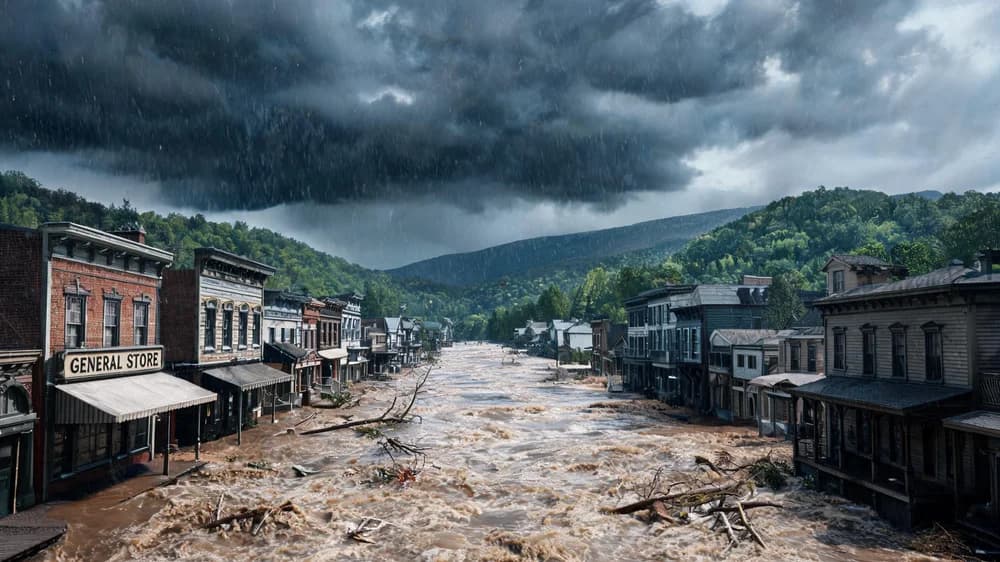
Severe weather introduces water through roof damage, foundation intrusion, and rising floodwaters. Storm-related water damage often combines with wind damage, requiring comprehensive assessment and multi-faceted restoration. Flood water typically contains contamination requiring Category 3 protocols.
Fire Suppression Water
Firefighting efforts often cause significant water damage alongside fire and smoke damage. Sprinkler system discharges release thousands of gallons rapidly. Fire suppression water combined with fire debris creates contaminated conditions requiring specialized mitigation approaches.
What Property Owners Should Do During Water Emergencies
While awaiting professional mitigation services, property owners can take important steps to protect themselves and minimize damage. These actions support professional efforts and demonstrate responsible loss mitigation to insurance companies.
Immediate Safety Actions
- Ensure personal safety first - avoid electrical hazards, unstable structures, and contaminated water
- Shut off water supply - locate and close main shutoff valve if possible
- Turn off electricity - if water threatens electrical systems, shut off breakers from a dry location
- Avoid contaminated areas - do not walk through sewage or obviously contaminated water
- Ventilate if safe - open windows and doors to begin air circulation if weather permits
Protective Actions
- Move valuables to dry areas - relocate important documents, electronics, and heirlooms
- Elevate furniture - place aluminum foil or blocks under furniture legs to prevent moisture absorption
- Remove area rugs - prevent dye transfer to flooring beneath wet rugs
- Document everything - photograph and video all damage before any cleanup
Contact Essential Parties
- Professional restoration company - call for emergency water mitigation services immediately
- Insurance company - report the loss and begin claims process
- Utilities - report service disruptions or request shutoffs as needed
- Plumber or contractor - arrange source repair if needed beyond restoration scope
Choosing Emergency Water Mitigation Services
Selecting the right mitigation provider during a water emergency requires quick but informed decision-making. Understanding what distinguishes quality providers helps property owners choose wisely even under pressure.
Essential Provider Characteristics
24/7 Availability: True emergencies don't wait for business hours. Quality providers answer calls around the clock with live staff, not answering services, and dispatch teams immediately regardless of time or day. Rapid Response Time: Leading providers commit to specific response times, typically 60-90 minutes in their service areas. Ask about average response times and what guarantees they offer. Proper Certification: IICRC certification demonstrates training in water damage restoration standards. Look for WRT (Water Damage Restoration Technician) credentials at minimum, with AMRT (Applied Microbial Remediation Technician) certification for mold-related concerns. Adequate Equipment: Professional mitigation requires substantial equipment inventory. Quality providers maintain enough extractors, dehumidifiers, and air movers to handle large losses without delays. Insurance Coordination: Experienced providers understand insurance claims processes and provide documentation that supports coverage. Many offer direct billing to insurance companies, reducing homeowner burden during stressful situations.
Frequently Asked Questions About Emergency Water Mitigation
How quickly can water mitigation services respond to emergencies?
+Will my insurance cover emergency water mitigation services?
+How long does the water mitigation process take?
+Can I stay in my home during water mitigation?
+What's the difference between water mitigation and water restoration?
+Should I attempt any cleanup before professionals arrive?
+How do I know if hidden mold has developed after water damage?
+What documentation should I expect from water mitigation services?
+Get Emergency Water Mitigation Services Now
Water emergencies demand immediate professional response. Every hour of delay increases damage extent, raises restoration costs, and elevates mold risk. Professional water mitigation services provide the rapid response, specialized equipment, and expert techniques needed to protect your property and begin recovery. When water threatens your property in Northern New Jersey, Pennsylvania's Capital Region, New York's Hudson Valley, Connecticut's Capital Region, or the South Jersey Shore, contact certified restoration professionals immediately. Fast response makes the difference between manageable mitigation and extensive restoration.
Categories
Need Restoration Services?
Our team is available 24/7 for emergency response. Call us today for a free phone consultation.
Questions About Restoration?
Our experts are ready to help. Contact us for a free consultation.