Rob Temples manages emergency restoration operations for Advanced DRI's Fairfield, NJ and New York City service areas. With 10 years in the restoration industry and prior experience working for a general contractor, he integrates construction knowledge with mitigation expertise on every project and holds an IICRC Water Restoration Technician (WRT) certification.
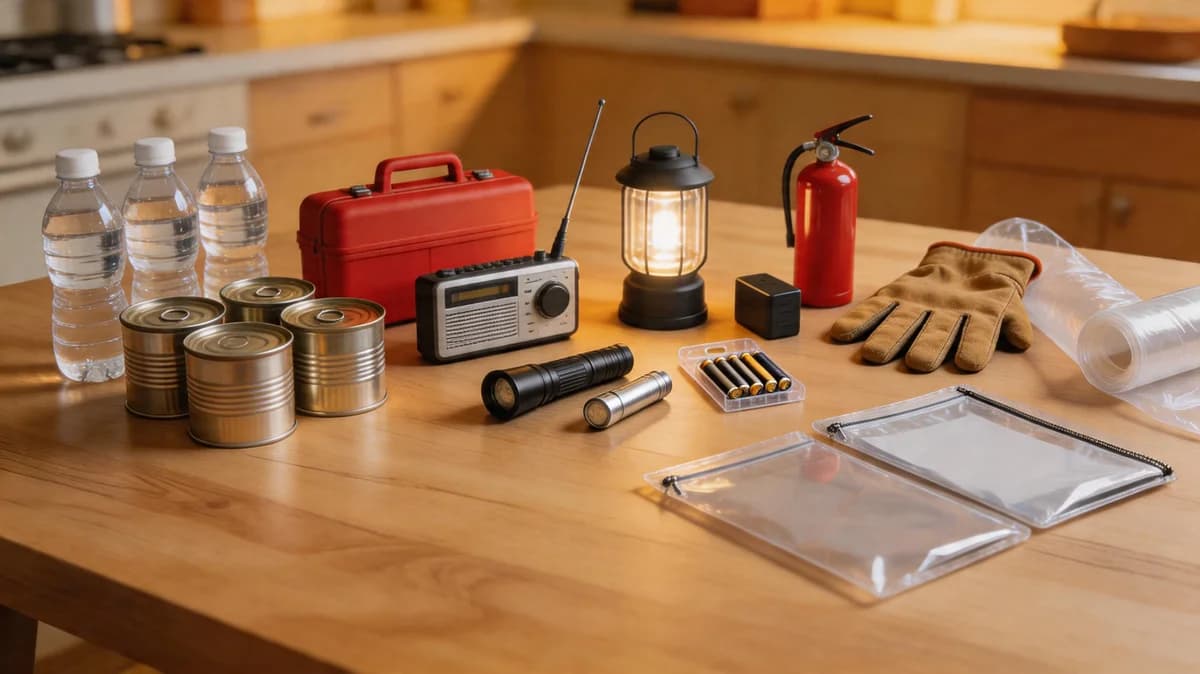
Build a practical emergency storm kit with this room-by-room guide from Advanced DRI. Essential items, storage tips, and what most homeowners forget to include.
Why Every Home Needs a Storm Kit
At Advanced DRI, we respond to storm damage across the Northeast in every season, and one pattern stands out clearly. Homes with emergency kits recover faster and more safely than those without. Kit owners ride out outages comfortably, handle minor injuries without a trip out in dangerous weather, and have the tools on hand to prevent small storm problems from becoming large ones.
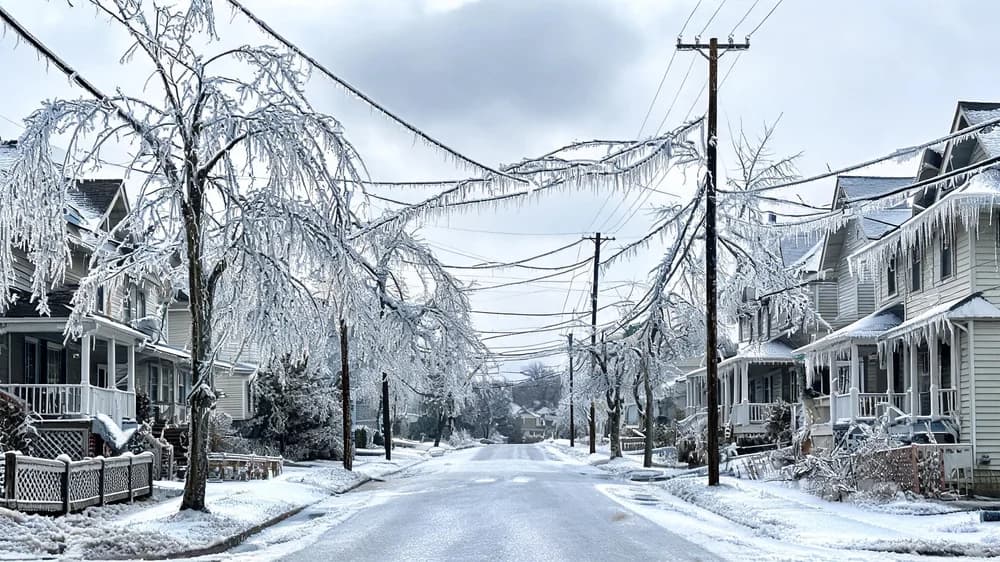
The Northeast faces hurricanes, nor'easters, ice storms, severe thunderstorms, tornadoes, and winter blizzards. Any of these can disrupt power, block roads, and cut off normal services for days. A well-prepared emergency kit bridges that gap, keeping your family safe, comfortable, and capable of responding to problems as they arise.
This guide walks through what every storm kit should include, what most homeowners forget, and how to store everything so it is ready when you need it most.
Water and Food
Water and food are the foundation of any emergency kit. Most public safety guidelines recommend a three-day supply at minimum, but our team suggests planning for at least a full week in areas prone to extended outages.
Water
- One gallon per person per day, with an additional supply for pets
- Commercially bottled water is easiest and has the longest shelf life
- Large emergency water jugs for extended outages
- Water purification tablets or a portable filter as a backup
- A method to sanitize containers if you need to refill from alternative sources
Food
- Canned proteins, vegetables, fruits, and soups that do not require refrigeration
- Dried foods including crackers, granola bars, trail mix, and peanut butter
- A manual can opener, because electric ones are useless during outages
- Baby formula, diapers, and wipes if applicable
- Pet food and treats
- Foods that match any dietary restrictions or allergies in the household
Rotate food and water every six to twelve months to keep supplies fresh. Label containers with a purchase or storage date to make rotation easy.
Light and Power
Extended power outages turn even familiar rooms into hazards. Reliable lighting and charging capability keep your household functional.
- LED flashlights with spare batteries, at least one per person
- LED lanterns for general room lighting, which are safer than candles
- Headlamps for hands-free work during cleanup or repairs
- Battery-powered or hand-crank radio for weather and emergency updates
- Portable power banks charged and ready for phones
- Solar chargers for long outages when power banks run out
- Glow sticks as a backup light source, especially useful for children
- Extra batteries in multiple sizes, stored in a cool dry place
Avoid candles as your primary light source. Fires caused by unattended candles during storms are a common secondary disaster we respond to.
First Aid and Medications
Minor injuries during and after storms are common. A robust first aid kit handles most of them without a risky trip to a pharmacy or hospital.
- Bandages in multiple sizes and shapes
- Gauze pads, medical tape, and roller bandages
- Antiseptic wipes and antibiotic ointment
- Pain relievers, anti-inflammatories, and fever reducers
- Antihistamines and hydrocortisone cream
- Tweezers, scissors, and a thermometer
- Nitrile or latex gloves in multiple pairs
- Emergency blanket
- A one-week supply of any prescription medications, rotated regularly
- A list of current medications, dosages, and allergies for each family member
Communication and Documents
Storms knock out the communication systems we depend on daily. Having backup methods and key documents ready makes a significant difference.
- A written list of important phone numbers, including out-of-state contacts
- A paper map of your region, in case GPS is unavailable
- Waterproof pouches for phones, documents, and cash
- A small amount of cash in small bills, since ATMs and card readers may be down
- Copies of insurance policies, identification, and medical information
- A USB drive with scanned copies of important documents
- A whistle for each family member to signal for help
Tools and Repair Supplies
Storms often cause minor damage that a homeowner can address temporarily until professional help arrives. Having the right tools prevents small problems from becoming major ones.
- Multi-tool or pocket knife
- Duct tape, because there is almost no emergency repair that does not benefit from duct tape
- Plastic sheeting and tarps for temporary leak protection
- Rope or paracord
- Work gloves for cleanup
- Safety goggles
- N95 masks for dust and debris protection
- A small crowbar
- A battery-powered drill with spare batteries
- Screws, nails, and fasteners in common sizes
- Tarp straps or bungee cords
For temporary leak protection, we often recommend homeowners have plastic sheeting on hand so they can cover damaged roofs, windows, or ceilings until our team arrives for full storm damage restoration.
Sanitation and Comfort
Loss of running water affects more than drinking supplies. Plan for sanitation during extended outages.
- Toilet paper in sealed waterproof storage
- Hand sanitizer and wet wipes
- Garbage bags in multiple sizes
- Bucket liners or emergency toilet supplies
- Feminine hygiene products
- Soap and a washcloth
- Toothbrushes and toothpaste
- Warm blankets and sleeping bags rated for cold weather
- Extra socks and a change of clothes per person
Fire Safety
Fire risks actually increase during and after storms because of candles, space heaters, generator use, and compromised electrical systems. Include:
- At least one fully charged fire extinguisher on each level of the home
- Smoke detectors and carbon monoxide detectors with fresh batteries
- A fire blanket, particularly for kitchen fires
- A carbon monoxide detector in any room where a generator cable passes through
What Most Homeowners Forget
From our experience on thousands of storm calls, here are items that many homeowners wish they had included:
- A wet/dry shop vacuum for removing standing water quickly
- Sump pump spare parts including a backup float switch
- A fully charged car phone charger for when home chargers fail
- Pet carriers and documentation in case of evacuation
- Written instructions for appliances and utilities including how to shut off water, gas, and electricity
- A small emergency fund in cash for incidental expenses
- Entertainment for children including books, cards, and non-electronic toys
- Contact information for a trusted restoration company before an emergency happens, not during one
Where to Store Your Kit
The best kit in the world is useless if you cannot reach it when disaster strikes. Our team recommends:
- Keep the primary kit in a central, accessible location like a pantry, closet, or dedicated emergency shelf
- Store kit items in waterproof bins with clear labeling
- Have a smaller portable bag ready to grab if you need to evacuate
- Keep a secondary kit in each vehicle with water, snacks, blankets, and basic first aid
- Review and refresh kit contents at least twice a year, such as during daylight saving time changes
Know When to Call for Help
An emergency kit helps you handle small situations and bridge the gap until professional help arrives, but it is not a substitute for professional response to major damage. Contact our team immediately if you experience:
- Flooding or significant water intrusion
- Roof damage that is actively leaking
- Structural damage from wind or fallen trees
- Any damage that affects your ability to safely occupy the home
- Extensive debris requiring professional cleanup
Advanced DRI provides twenty-four-hour emergency response throughout the Northeast for storm damage, water damage, mold concerns, and related emergencies. Contact Advanced DRI to put our number in your emergency kit before you need it.
Frequently Asked Questions
How long should my emergency kit supplies last?
A minimum of three days is the baseline recommendation, but we suggest planning for seven days for most Northeast homes, and longer for rural properties where infrastructure may take longer to restore. Recent severe weather events have kept some communities without power for over a week, so the seven-day standard is realistic rather than excessive.
Should I have a separate kit in my car?
Yes. Vehicle kits are important because storms often strand people away from home. A basic car kit should include water, non-perishable snacks, a blanket, flashlights, jumper cables, a phone charger, basic first aid supplies, and a window breaker with seatbelt cutter. Keep everything in a dedicated bag so it is ready at all times.
How often should I update my storm kit?
Review your kit every six months, ideally during daylight saving time changes. Check expiration dates on food, water, medications, and batteries. Replace anything expired, test flashlights and radios, and refresh cash amounts. An annual deeper review to adjust for changes in family size, medical needs, or pet situations keeps everything relevant.
Categories
Need Restoration Services?
Our team is available 24/7 for emergency response. Call us today for a free phone consultation.


Questions About Restoration?
Our experts are ready to help. Contact us for a free consultation.