Storm & Wind Damage Restoration Services in NY, NJ, PA & CT
Emergency response for severe weather damage including roof repairs, siding replacement, window restoration, and structural reinforcement. We work with your insurance for seamless claims.
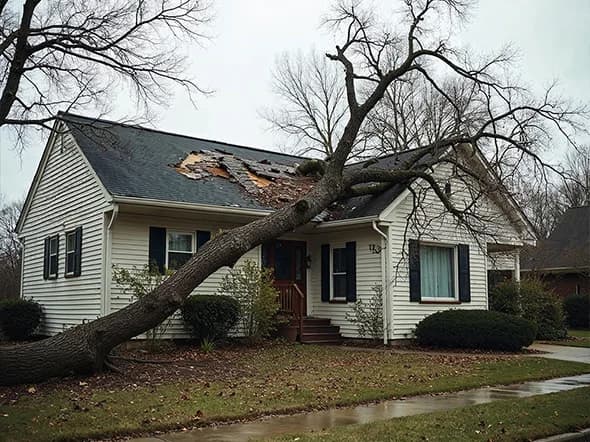
Understanding Storm & Wind Damage Restoration
When disaster strikes your property, every minute counts. Emergency response for severe weather damage including roof repairs, siding replacement, window restoration, and structural reinforcement. We work with your insurance for seamless claims. At Advanced Disaster Recovery Inc., we have been providing professional storm damage services throughout New York, New Jersey, Pennsylvania, and Connecticut since 2000. Our IICRC-certified technicians understand the urgency of your situation and are committed to restoring your property to its pre-loss condition as quickly and efficiently as possible.
Property damage can be overwhelming, but you do not have to face it alone. Our experienced team has handled thousands of storm damage projects over two decades, giving us the expertise to manage any situation, no matter how complex. We work directly with your insurance company to ensure a smooth claims process, allowing you to focus on what matters most while we handle the restoration.
What sets Advanced DRI apart is our commitment to using the latest technology and industry best practices. Our technicians receive ongoing training and certification to stay current with the most effective restoration techniques. We invest in commercial-grade equipment that delivers superior results compared to standard restoration methods, ensuring your property is thoroughly restored and protected against future damage.
Our Commitment
- 24/7 emergency availability
- 90-minute response time*
- IICRC certified technicians
- Direct insurance billing
- Complete satisfaction guarantee
*In nearby service areas. Response times may vary by location.
Need Immediate Help?
Our emergency team is standing by 24/7 to respond to your storm damage situation.
(866) 926-3473Your Storm Damage Journey With Us
From the moment you contact Advanced DRI, you will experience the difference that comes with working with a professional restoration company. Our customer-first approach means we treat your property with the same care we would give our own homes and businesses. Here is what you can expect when you choose us for your storm damage needs:
Immediate Response: When you call our 24/7 emergency line, you will speak with a knowledgeable representative who can assess your situation and dispatch a team immediately. We understand that storm damage situations do not wait for business hours, which is why our crews are ready to respond at any time, day or night, weekends and holidays included.
Thorough Assessment: Upon arrival, our certified technicians conduct a comprehensive inspection of your property. We use advanced diagnostic equipment to identify all affected areas, including damage that may not be immediately visible. This thorough assessment ensures that no damage goes undetected and allows us to develop an effective restoration plan.
Clear Communication: Throughout the restoration process, we keep you informed every step of the way. You will receive regular updates on progress, and our team is always available to answer your questions. We believe that clear, honest communication is essential to reducing the stress of dealing with property damage.
Insurance Coordination: Dealing with insurance claims can be complicated and time-consuming. Our experienced team handles the entire claims process on your behalf, from initial documentation to final settlement. We work directly with your insurance adjuster to ensure accurate damage assessment and fair compensation for your loss.
Quality Restoration: Our goal is always to restore your property to its pre-loss condition or better. We use commercial-grade equipment, proven techniques, and quality materials to ensure lasting results. Before we consider any job complete, we conduct a final walkthrough with you to ensure your complete satisfaction.
Why Fast Response Is Critical for Storm Damage
When it comes to storm damage, time is your most valuable resource. The longer damage goes unaddressed, the more severe and costly the restoration becomes. Secondary damage can begin within hours, turning a manageable situation into a major disaster.
Our 90-minute response target in nearby service areas exists because we understand this urgency. By arriving quickly and beginning mitigation immediately, we can often prevent thousands of dollars in additional damage and significantly reduce the overall restoration timeline.
Advanced DRI maintains multiple office locations throughout the Northeast specifically to ensure rapid response times. Our strategically positioned teams, combined with our fleet of fully-equipped service vehicles, mean help is always nearby when you need it most.
The First 48 Hours Are Critical
Immediate
Damage begins spreading and materials start absorbing moisture or contaminants
24 Hours
Mold spores begin germinating, odors intensify, and structural damage accelerates
48 Hours
Mold colonies establish, materials may become unsalvageable, secondary damage widespread
Professional Storm Damage Process
Our proven 5-step process ensures complete restoration and prevents future damage.
Emergency Response
Immediate tarping and temporary repairs to prevent further damage.
Damage Assessment
Complete inspection and documentation for insurance claims.
Debris Removal
Safe removal of fallen trees, debris, and damaged materials.
Repairs
Professional repairs to roofing, siding, windows, and structure.
Final Restoration
Complete restoration to pre-storm condition.
Advanced Storm Damage Technology
We invest in the latest equipment and techniques to provide faster, more thorough restoration.
Emergency Tarping
Heavy-duty tarps installed within hours to prevent rain water intrusion.
Roof Repairs
Fixing leaks, replacing shingles, and reinforcing structural integrity after storm impact.
Siding Replacement
Matching and replacing vinyl, wood, or fiber cement siding damaged by wind and debris.
Window Restoration
Boarding broken windows and installing replacement glass or full window units.
Tree Removal
Safe extraction of fallen trees from structures using cranes and specialized rigging.
Structural Reinforcement
Repairing and strengthening framing, trusses, and load-bearing walls.
Why Choose Advanced DRI for Storm Damage?
- 24/7 emergency storm response
- Complete storm damage repairs
- Insurance claim assistance
- Comprehensive reconstruction
How to Choose a Storm Damage Company
Choosing the right restoration company is one of the most important decisions you will make after property damage occurs. The company you select will directly impact the quality of your restoration, how quickly you can return to normal, and your overall experience during a difficult time. Here are key factors to consider when making your decision:
Certifications and Training: Look for companies with IICRC certification, which is the industry standard for restoration professionals. IICRC-certified technicians have completed rigorous training and must maintain their certification through continuing education. At Advanced DRI, all our technicians hold relevant IICRC certifications and receive ongoing training on the latest restoration techniques and equipment.
Experience and Reputation: Experience matters significantly in restoration work. A company with years of experience has encountered countless scenarios and developed the expertise to handle any situation effectively. Check online reviews, ask for references, and verify the company has a solid track record. Advanced DRI has been serving the Northeast since 2000, completing over 15,000 restoration projects with consistently high customer satisfaction ratings.
Response Time and Availability: Damage does not wait for business hours, and neither should your restoration company. Ensure the company offers true 24/7 emergency service with rapid response times. Ask about their average response time and whether they have local crews in your area. Our 90-minute response target is backed by multiple office locations strategically positioned throughout New York, New Jersey, Pennsylvania, and Connecticut.
Insurance Expertise: Restoration claims can be complex, and having a company experienced in working with insurance is invaluable. Ask if they work directly with insurance companies, handle documentation, and communicate with adjusters. A good restoration company can often maximize your claim while minimizing your stress. Our team has established relationships with all major insurers and handles the entire claims process on behalf of our customers.
Equipment and Techniques: Professional restoration requires commercial-grade equipment that far exceeds what is available to consumers. Ask about the equipment the company uses and whether they stay current with industry advances. Advanced DRI invests continuously in the latest technology, including thermal imaging cameras, commercial dehumidifiers, air scrubbers, and specialized cleaning equipment.
Working With Your Insurance
Navigating insurance claims after property damage can be overwhelming, especially when you are already dealing with the stress of the situation. At Advanced DRI, we have built strong relationships with all major insurance carriers over two decades in business. Our team understands the claims process inside and out.
We handle the entire insurance process for you, starting with thorough documentation of all damage using photos, moisture readings, and detailed written reports. We communicate directly with your adjuster, prepare estimates that meet insurance industry standards, and advocate on your behalf to ensure fair compensation.
Our experience allows us to identify damage that homeowners and even some adjusters might miss. When we discover additional damage during restoration, we prepare supplements to your claim with proper documentation. This attention to detail helps ensure you receive full coverage for all legitimate damages.
The Advanced DRI Promise
Rapid Local Response
We target arrival within 90 minutes of your call in nearby service areas, 24/7/365.
Written Estimates
Clear, detailed estimates provided before work begins so you know exactly what to expect.
Direct Insurance Billing
We bill your insurance directly when possible, reducing your out-of-pocket expenses.
Satisfaction Guarantee
We are not satisfied until you are. If any issue arises, we make it right at no extra cost.
Licensed and Insured
Fully licensed in all service states with comprehensive liability coverage for your protection.
Storm Damage Questions
Common questions about our storm damage services.
What Our Storm Damage Clients Say
Real feedback from property owners who trusted us with their storm damage needs.
“A major storm ripped off part of our roof and water was pouring in. Advanced DRI arrived quickly, tarped the entire damaged section, and extracted all the water from inside. They coordinated with our insurance adjuster and handled the full repair.”
“Wind damage destroyed our siding and broke several windows. The team was here within 2 hours, secured all the openings, and started the restoration process immediately. They made a stressful situation much easier to handle.”
“Our garage door was destroyed by high winds and rain was getting in. Advanced DRI responded quickly, protected our vehicles and belongings, and had a new door installed within a week. Excellent communication throughout.”
Complete Storm Damage Solutions
Storm Damage often requires additional services. We provide comprehensive restoration.
Water Damage
24/7 emergency water extraction, structural drying, and complete restoration. We prevent mold and secondary damage.
Tree Removal
Emergency removal of fallen and hazardous trees. Safe extraction from structures with complete debris cleanup.
Board Up
Emergency property securing after storms, fires, or break-ins. Protect your property from further damage.
Storm Damage by Location
Rapid storm damage response across the Northeast with local teams ready 24/7.
New York
Hudson Valley - NYC Metro - Long IslandKey cities we serve:
- Poughkeepsie
- Kingston
- Newburgh
- Middletown
- Goshen
New Jersey
Northern NJ - Central NJ - Jersey ShoreKey cities we serve:
- Newark
- Jersey City
- Paterson
- Elizabeth
- Edison
Pennsylvania
Lehigh Valley - Capital Region - Northeast PAKey cities we serve:
- Harrisburg
- Lancaster
- York
- Carlisle
- Hershey
Connecticut
Hartford Area - New Haven - Fairfield CountyKey cities we serve:
- Hartford
- New Haven
- Waterbury
- New Britain
- Middletown
Storm Damage? We're Here 24/7
Don't wait - storm damage damage gets worse every hour. Call now for immediate emergency response anywhere in NY, NJ, PA, or CT.