Emergency & Specialty Services
Creating a Home Emergency Preparedness Plan for Natural Disasters
October 17, 202516 min read
R
Rob Temples· Operations Manager, Emergency Services (Fairfield, NJ & New York City)
Rob Temples manages emergency restoration operations for Advanced DRI's Fairfield, NJ and New York City service areas. With 10 years in the restoration industry and prior experience working for a general contractor, he integrates construction knowledge with mitigation expertise on every project and holds an IICRC Water Restoration Technician (WRT) certification.
10+ years experienceIICRC Water Restoration Technician (WRT)
Published October 17, 2025 · Updated May 27, 2026

Create a comprehensive home emergency preparedness plan for natural disasters. Protect your family and property with proper planning and supplies.
What You'll Need
Tools:
- 📱 Smartphone or computer (for digital documentation)
- 📝 Notebook and pens (for physical copies)
- 🖨️ Printer (to create wallet cards and posted plans)
- 📸 Camera (to document property and valuables)
Materials:
- Contact list template (downloadable or create your own)
- Waterproof document pouches (available at office supply stores)
- Laminating sheets (for protecting important documents)
- File folders or binder (to organize your plan)
- Flashlight and batteries (for emergency kit inventory)
Time Required:
⏱️ Initial Planning: 1-2 hours ⏱️ Documentation: 45 minutes ⏱️ Family Meeting: 30 minutes ⏱️ Annual Review: 20 minutes⚠️ Safety Warning
This disaster planning task is essential for every household because:- Emergencies don't wait for you to be ready
- Panic prevents clear thinking during crises
- Your family's safety depends on advance preparation
- Property protection requires pre-planned steps
- You live in an area prone to natural disasters
- You have children, elderly family members, or pets
- Your home contains important documents or valuables
- You haven't reviewed your emergency plan in over a year
Step-by-Step Instructions for Your Emergency Preparedness Plan
Step 1: Identify Your Regional Disaster Risks
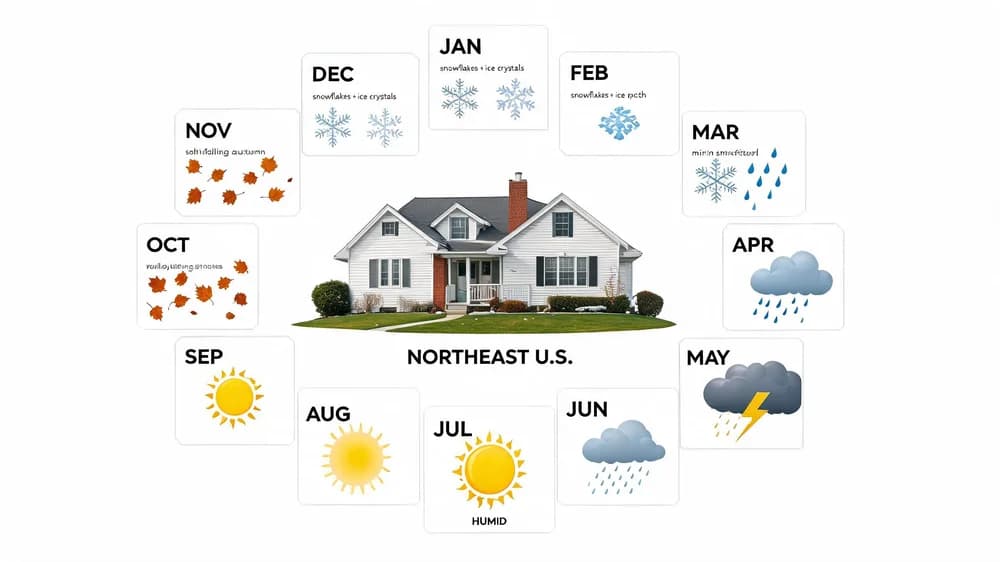
Start your emergency preparedness plan by understanding what natural disasters threaten your specific area. Different regions face different risks, and your home emergency plan must address your actual threats for effective disaster planning. Action: Research your area's disaster history using FEMA's website or local emergency management resources. List the top 3-4 disasters most likely to affect your home. For comprehensive business or commercial property planning, professional disaster planning services can provide detailed risk assessments. Why this matters: Coastal homes need hurricane plans, while inland areas might focus on tornadoes or floods. Tailoring your plan to real risks makes it practical and actionable. ✅ Success indicator: You have a written list of specific natural disasters that could impact your home, ranked by likelihood.Step 2: Create Your Family Communication Plan
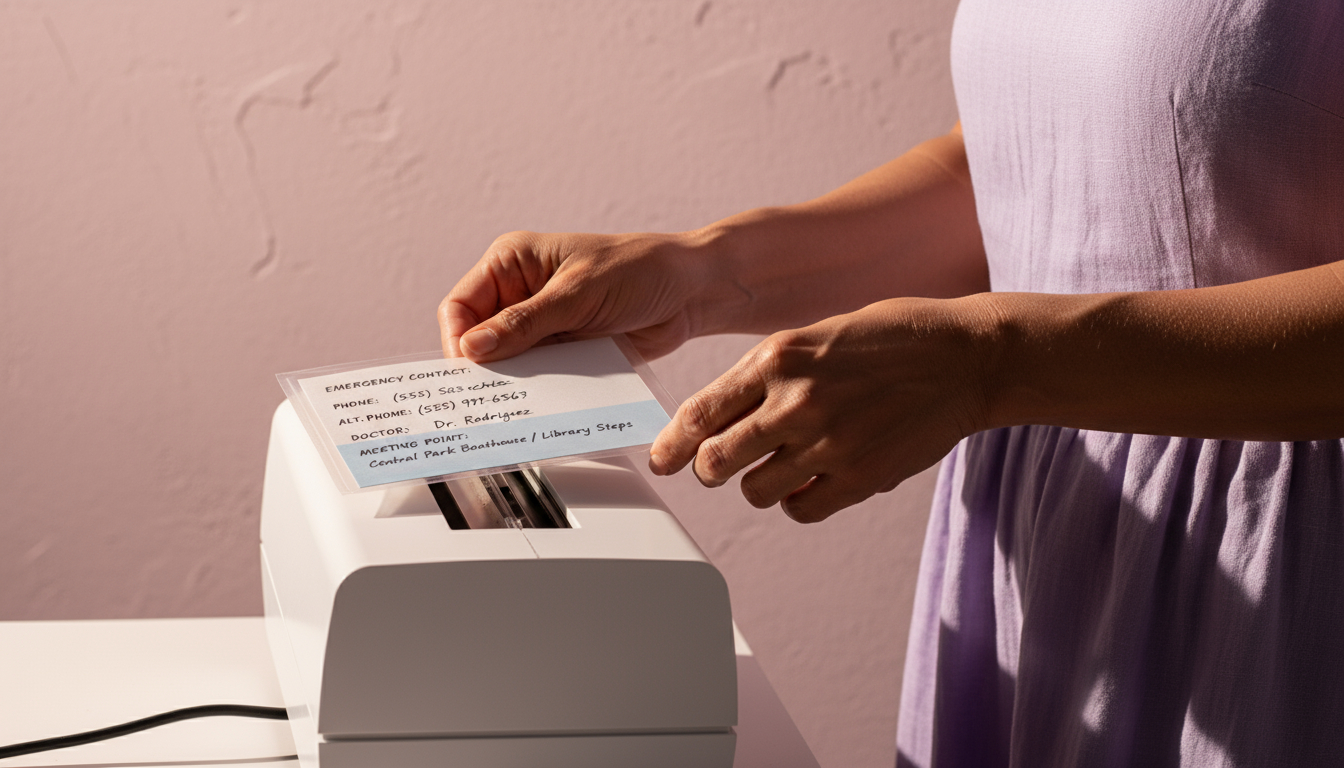
During disasters, cell service often fails and family members may be separated. Your emergency preparedness plan and family safety plan need multiple ways to stay connected as a critical part of disaster planning. Action: Create a contact card for each family member with:- Primary contact numbers for all family members
- Out-of-state emergency contact (easier to reach than local during disasters)
- Meeting location addresses (both nearby and out-of-neighborhood)
- Important medical information
- Children's school contact information
Step 3: Designate Meeting Locations and Evacuation Routes
Your home emergency plan must include specific places to reunite if disaster strikes when family members are in different locations. Action: Choose three meeting locations:- Inside the home - A safe room for sheltering in place (interior room, no windows)
- Outside nearby - A specific spot right outside your home (like a neighbor's mailbox or street corner)
- Outside the neighborhood - A public location outside the disaster zone (library, school, community center)
- Landmarks along the way
- Alternative turns if roads are blocked
- Where routes rejoin if family members take different paths
- Gas stations and hospitals along the routes
Step 4: Document Your Property and Important Information
Insurance claims and recovery move faster when you have documentation prepared before disaster strikes. This crucial step of your emergency preparedness plan protects your financial recovery. Action: Photograph or video record:- Every room in your home from multiple angles
- Major appliances with serial numbers visible
- Valuables, electronics, and furniture
- The exterior of your home from all sides
- Vehicles, outdoor equipment, and landscaping
- Insurance policies (home, auto, health)
- Identification documents (passports, birth certificates, driver's licenses)
- Property deeds and mortgage documents
- Medical records and prescriptions
- Bank account information
- Important passwords (stored securely)

Step 5: Assemble and Stock Your Emergency Supply Kit
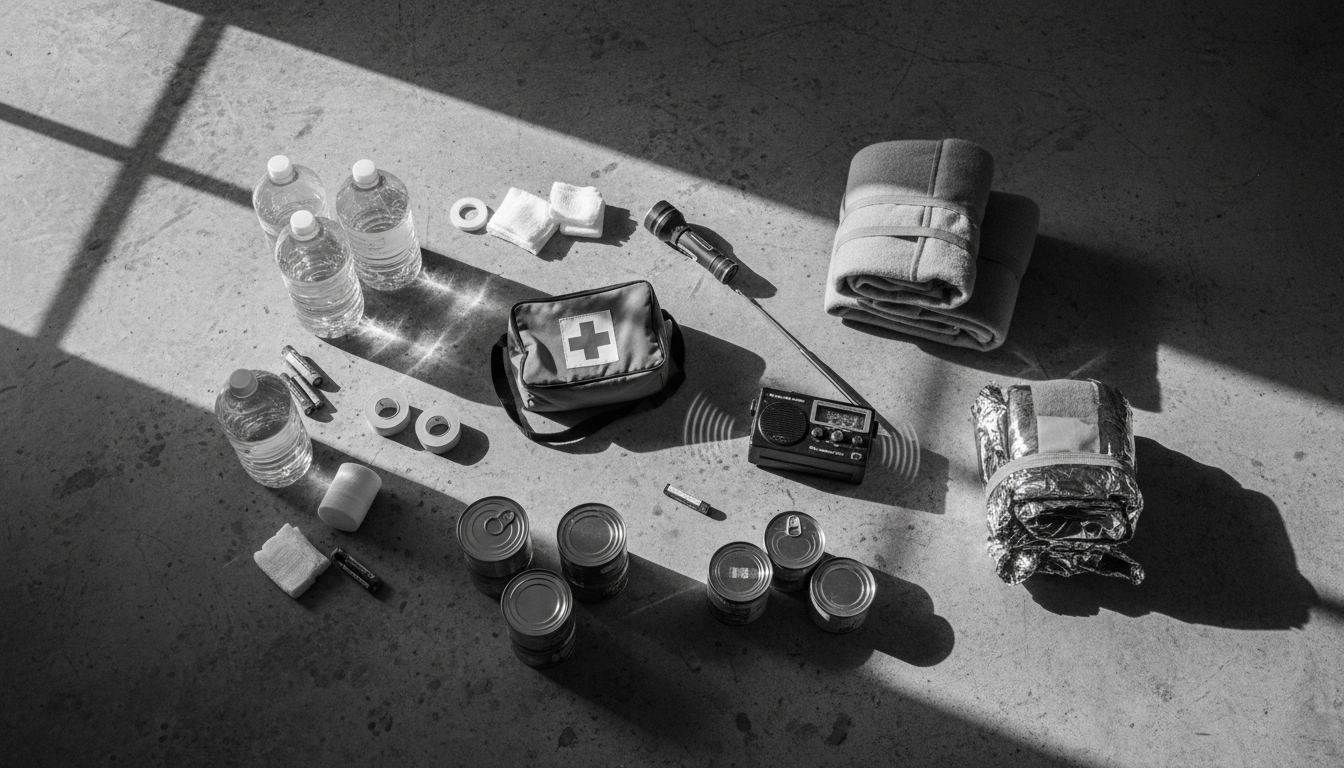
Every effective emergency preparedness plan includes supplies to sustain your family for at least 72 hours without outside assistance.| Category | Essential Items | Quantity per Person | Storage Location |
|---|---|---|---|
| Water | Bottled water | 1 gallon/day for 3 days | Cool, dark place |
| Food | Non-perishable items, manual can opener | 3-day supply | Easily accessible |
| First Aid | Bandages, medications, antiseptic | 1 comprehensive kit | Known location |
| Light/Power | Flashlights, batteries, radio | 2 light sources each | Multiple rooms |
| Documents | Copies of vital records | Complete set | Waterproof container |
| Clothing | Change of clothes, sturdy shoes | 1 set per person | With kit |
| Hygiene | Soap, sanitizer, personal items | 3-day supply | Sealed bags |
| Tools | Multi-tool, duct tape, matches | 1 set per household | Central kit |
- 🐕 Pet supplies - Food, water, medications, carrier, leash
- 👶 Baby needs - Formula, diapers, bottles
- 💊 Medical equipment - Prescription medications, oxygen, mobility aids
- 📄 Important documents - In waterproof container
- 💰 Cash - ATMs won't work without power
Step 6: Plan for Special Needs Family Members
Your family safety plan must address unique requirements for children, elderly family members, people with disabilities, and pets. Action for children:- Teach them how to call 911 and what constitutes an emergency
- Practice the emergency plan through age-appropriate drills
- Create comfort items (favorite toy, book, blanket) to include in emergency kit
- Establish a family code word for emergencies
- List all medications with dosages and pharmacy information
- Document medical equipment needs and power requirements
- Identify neighbors who can assist during evacuation
- Register with local emergency services for priority assistance
- Keep extra mobility aids if possible
- Microchip and tag all pets with current contact information
- Keep updated vaccination records in waterproof packet
- Research pet-friendly shelters and hotels in advance
- Maintain 2-week supply of food and medications
- Have carriers and leashes readily accessible
Step 7: Protect Your Home Before Disaster Strikes
Preventive measures reduce damage and make post-disaster recovery faster. Include these actions in your emergency preparedness plan and disaster planning strategy to protect your property. Action - Routine maintenance:- Clean gutters and downspouts to prevent water damage
- Trim trees and remove dead branches that could become projectiles
- Secure outdoor furniture, grills, and decorations
- Inspect and repair roof damage promptly
- Test sump pump and drainage systems
- Install storm shutters or have plywood pre-cut to window sizes
- Reinforce garage doors to prevent wind damage
- Secure water heater and major appliances to prevent tipping
- Know how to shut off utilities (gas, water, electricity)
- Keep fire extinguishers accessible and charged
- Consider professional board-up services for storm protection

Step 8: Conduct Regular Family Drills and Plan Reviews
An emergency preparedness plan only works if everyone remembers it. Regular practice builds muscle memory and confidence. Action - Schedule drills:- Practice evacuation routes twice yearly
- Time how long evacuation takes and adjust plans accordingly
- Practice sheltering in place for tornado scenarios
- Conduct fire drills using different exit scenarios
- Test communication plan by having family members contact the out-of-state contact
- Update contact information and meeting locations
- Replace expired supplies in emergency kits
- Refresh property documentation with new purchases
- Review insurance coverage and update as needed
- Adjust plans for changes in family circumstances

Troubleshooting Your Emergency Preparedness Plan
Problem: Family members resist participating in planning
Solution: Frame it as protecting what you love rather than preparing for doom. Make drills into games for children, and emphasize how preparedness reduces stress for everyone. Start with small, easy tasks to build momentum.Problem: Emergency kit feels overwhelming to assemble
Solution: Build it gradually. Start with 24-hour supplies, then expand to 72 hours over several weeks. Purchase a few items each shopping trip rather than trying to complete everything at once. Pre-assembled kits are available but typically need customization for your family's specific needs.Problem: Plans become outdated quickly
Solution: Create digital versions using shared family documents that everyone can access and update. Set phone reminders for quarterly contact list reviews. Keep your plan flexible rather than rigid—focus on principles that work across scenarios rather than hyper-specific steps that change frequently.Problem: Unsure which disasters to prioritize
Solution: Contact your local emergency management office for specific regional risk assessments. Most counties maintain hazard mitigation plans that detail likelihood and impact of various disasters. Focus on the top three most likely events for your area while maintaining baseline preparedness for others.Problem: Limited storage space for emergency supplies
Solution: Use multi-purpose storage like rolling bins under beds or stackable containers in closets. Rotate emergency food into your regular pantry to prevent waste. Consider storing supplies in your vehicle's trunk or a weatherproof container in the garage if indoor space is limited.When to Call a Professional
🔴 Contact professional emergency services immediately if:- Active disaster is occurring and you need evacuation assistance
- Gas leaks are detected—evacuate first, call from safe location
- Electrical hazards present immediate danger
- Medical emergencies require immediate attention
- Structural damage threatens building safety
- Water damage affects your home from flooding or storms
- Mold growth begins after moisture intrusion
- Fire or smoke damage requires specialized cleaning
- Structural repairs exceed basic maintenance
- Contaminated water has entered your home
Preventive Maintenance Tips
Maintaining your emergency preparedness plan and home emergency plan keeps your family prepared year-round. Regular maintenance ensures your family safety plan works when disasters strike: Monthly:- Test flashlights and replace batteries as needed
- Check expiration dates on food and medications
- Review evacuation routes for construction or road changes
- Verify phone numbers in emergency contacts are current
- Rotate emergency food and water supplies
- Update clothing in emergency kits for season and size changes
- Inspect home exterior for disaster vulnerabilities
- Test smoke and carbon monoxide detectors
- Conduct full inventory of emergency supplies
- Update property documentation and insurance policies
- Review and refresh family communication plan
- Replace expired items in first aid kit
- Schedule professional home inspections (roof, foundation, etc.)
- Assess if your emergency preparedness plan needs updates based on family changes
Frequently Asked Questions
How often should I update my emergency preparedness plan?
Review your emergency preparedness plan annually at minimum, but update immediately when family circumstances change—new family members, moves, job changes, or new medical conditions all require plan updates. Contact information should be verified every 3-4 months since phone numbers and addresses change frequently. The key is keeping your home emergency plan current so it's accurate when you need it most.
What's the most important part of a family safety plan?
Communication is the foundation of any effective emergency preparedness plan. Knowing where family members are and confirming everyone's safety provides peace of mind during chaos. Your out-of-state contact acts as a communication hub when local networks fail, and pre-designated meeting locations eliminate the dangerous guesswork of trying to find each other during a disaster.
Can I create an emergency plan myself or should I hire someone?
Every family can and should create their own emergency preparedness plan—you know your family's needs, risks, and resources better than anyone. Free templates and guidance for disaster planning are available from FEMA, Red Cross, and local emergency management agencies. However, if your home has specific vulnerabilities, consider hiring a professional inspector to identify risks you might miss, especially for structural concerns or complex systems.
What if I can't afford to stock a complete emergency kit right away?
Build your kit gradually by adding a few items each time you shop. Start with the essentials—water, basic food, flashlight, first aid supplies—then expand from there. Many emergency supplies are items you already use daily that just need to be set aside and organized. Focus on water first (most critical for survival), then food, then other supplies. Even an incomplete kit is better than no kit.
What's the biggest mistake people make with emergency planning?
The biggest mistake is creating an emergency preparedness plan but never practicing it. Written plans feel safe but don't prepare your family for the stress and confusion of actual emergencies. Families who practice their home emergency plan through drills respond faster and more effectively when disaster strikes. The second biggest mistake is forgetting to update your family safety plan—old phone numbers, outdated meeting locations, and expired supplies render your emergency preparedness plan useless when you need it most.
Take Action Today
Your emergency preparedness plan is your family's lifeline when natural disasters threaten your home and safety. Every hour invested in creating your home emergency plan prevents days of chaos during actual emergencies. Start today by identifying your top disaster risks, creating your communication plan, and assembling the foundation of your emergency kit. Don't wait until disaster warnings are issued—by then, it's too late to properly implement your disaster planning efforts. Remember that preparation isn't about fear—it's about protection. Your emergency preparedness plan ensures that no matter what natural disaster comes your way, your family has clear plans, necessary supplies, and the confidence to respond effectively. Your home emergency plan transforms panic into purposeful action, giving you control even when circumstances feel overwhelming. A well-executed family safety plan makes all the difference. Set aside time this week to complete the first three steps of your emergency preparedness plan: assess your risks, create your communication plan, and designate your meeting locations. Once these foundations of your disaster planning are in place, you can build the rest of your plan systematically over the following weeks. Your family's safety is worth the investment. If disaster has already struck your home, professional restoration services are available 24/7 to help. Water damage, fire damage, storm damage, and other disaster-related property emergencies require immediate professional attention to prevent secondary damage and begin the recovery process. Don't face disaster recovery alone—contact expert help immediately when disaster strikes.Categories
Need Restoration Services?
Our team is available 24/7 for emergency response. Call us today for a free phone consultation.


Questions About Restoration?
Our experts are ready to help. Contact us for a free consultation.