Commercial Water Damage: Business Recovery and Restoration Strategies
Elsa Boyer is a Regional Operations Manager for Advanced Disaster Recovery, based in Harrisburg, Pennsylvania, overseeing commercial and healthcare restoration projects. She holds a Bachelor of Arts from Valparaiso University and a deep certification portfolio, including ICRA Certified Healthcare Remediator Supervisor and multiple IICRC designations across commercial drying, structural drying, water, and fire & smoke restoration.

Learn how commercial water damage affects businesses and recovery strategies that minimize downtime. Professional restoration for offices, retail, and more.
How Commercial Water Damage Differs from Residential
Commercial water damage restoration involves unique considerations that distinguish it from residential work. The complexity of business restoration demands specialized approaches addressing both physical damage and operational continuity.Scale and Complexity
Commercial properties typically involve larger affected areas, more complex building systems, and varied space types within single buildings. A water event in an office building might simultaneously affect server rooms, open workspaces, executive suites, and common areas—each with different restoration requirements.Business Continuity Pressure
While residential restoration certainly matters to homeowners, commercial water damage directly impacts revenue, employment, and potentially business survival. This urgency demands faster response, parallel rather than sequential restoration approaches, and creative solutions for maintaining operations during water damage business interruption periods.Regulatory Considerations
Commercial properties face regulatory requirements that residential properties don't. Restaurants must satisfy health department requirements. Healthcare facilities must maintain compliance with healthcare regulations. Manufacturing facilities have environmental considerations. Commercial restoration must satisfy these requirements alongside physical restoration.Stakeholder Complexity
Commercial restoration often involves multiple stakeholders: property owners, tenants, insurance companies, regulatory agencies, and sometimes franchisors or corporate entities. Coordinating communication and approval among these parties adds complexity requiring experienced management.Common Causes of Commercial Water Damage
Understanding common causes of commercial water damage helps businesses implement preventive measures and develop appropriate response plans for commercial flood recovery situations.| Cause Category | Common Examples | Prevention Strategies |
|---|---|---|
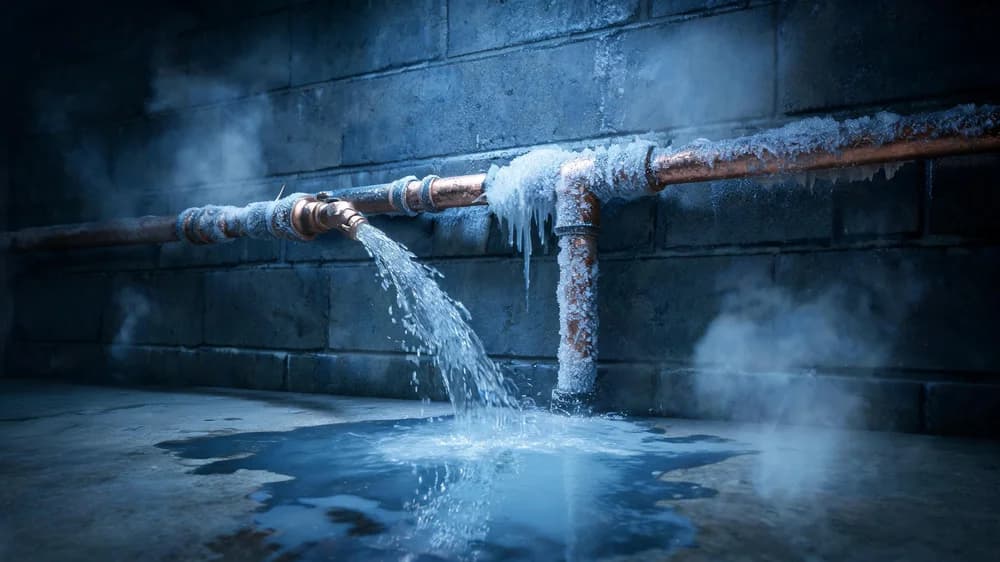
| Plumbing Failures | Pipe bursts, fixture failures, supply line ruptures | Regular inspection, pipe winterization, water detection systems |
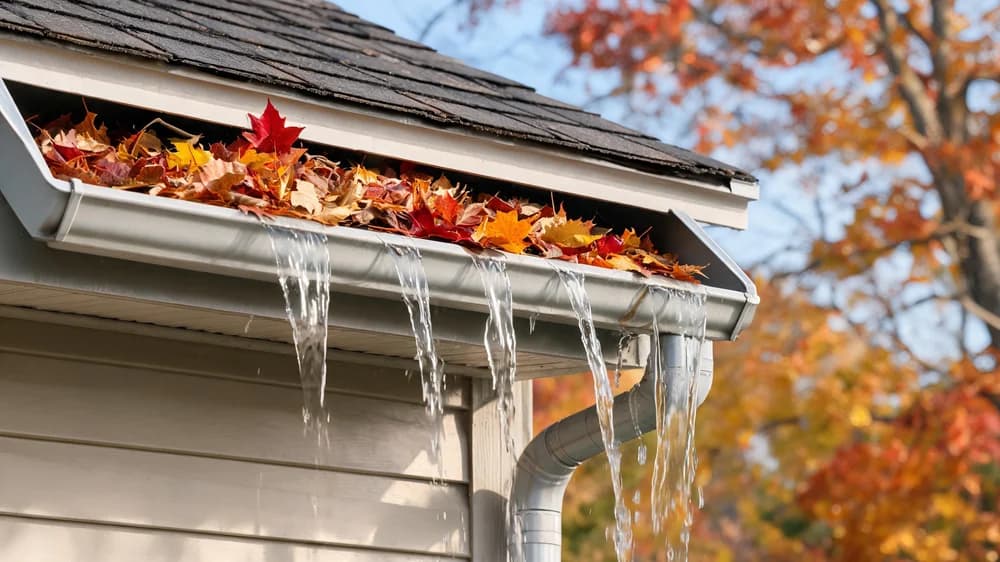
| Roof Issues | Leaks, membrane failures, drainage problems | Scheduled roof maintenance, drainage clearing, prompt repair |
| HVAC Systems | Condensate line clogs, drain pan overflow, cooling tower issues | Preventive maintenance programs, condensate monitoring |
| Fire Suppression | Sprinkler head damage, accidental discharge, pipe freezing | Protective guards, temperature monitoring, system maintenance |
| Natural Events | Storm flooding, heavy rain intrusion, ice dams | Storm preparedness, building envelope maintenance, drainage management |
| Human Error | Left running fixtures, cleaning mishaps, improper equipment use | Staff training, shutoff protocols, water monitoring systems |
Sprinkler System Considerations
Fire suppression sprinkler systems protect property and lives from fire but can cause extensive water damage when they activate—whether from fire, accidents, or system malfunctions. A single activated sprinkler head can discharge 20-50 gallons per minute until manually shut off. Pro Tip: Ensure key personnel know sprinkler shutoff locations and procedures. Faster shutoff dramatically reduces water damage. Post shutoff procedures prominently and include them in emergency response plans.Immediate Response to Commercial Water Damage
Rapid, organized response to commercial water damage limits both physical damage and business disruption. Effective commercial flood recovery begins with immediate action. Having pre-established protocols enables faster, more effective action.Safety and Source Control
First priorities include ensuring occupant safety and stopping water flow:- Evacuate affected areas if electrical or structural hazards exist
- Shut off water at the source (main shutoff, specific valves, sprinkler control)
- Disconnect electrical systems in flooded areas if safely possible
- Isolate HVAC systems to prevent water and contamination spread
Emergency Contact Activation
Pre-established emergency contacts enable faster response:- 24-hour restoration services for immediate mitigation
- Property management or ownership notification
- Insurance carrier claim initiation
- Utility companies if service shutoff needed
Initial Assessment and Documentation
While awaiting professional response, document conditions thoroughly. Photograph affected areas, equipment, inventory, and visible damage. This documentation supports insurance claims and establishes baseline conditions.Commercial Water Damage Restoration Process
Professional commercial flood recovery and business restoration follow systematic processes scaled for commercial requirements. Effective commercial water damage restoration combines speed with thoroughness.Rapid Assessment
Commercial restoration begins with comprehensive assessment identifying:- All affected areas throughout the building
- Priority zones (server rooms, critical equipment, inventory)
- Contamination category and required protocols
- Equipment and personnel requirements
- Estimated timeline and restoration phases
- Business impact mitigation opportunities
Water Extraction
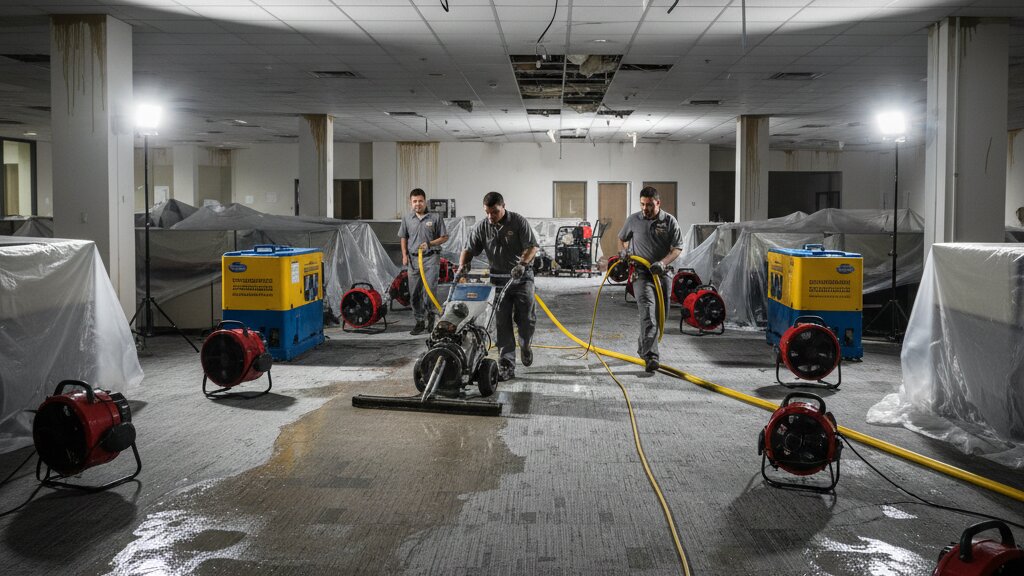
Commercial extraction employs industrial-scale equipment capable of removing large water volumes quickly:- Truck-mounted extraction systems
- Multiple submersible pumps for significant flooding
- Riding extractors for large floor areas
- Specialized tools for different floor types
Commercial Drying Strategies
Drying commercial spaces requires substantial equipment and strategic deployment: Zone Drying: Large facilities may benefit from zone approaches that restore critical areas first while continuing work in less critical zones. This enables partial operations during ongoing restoration. Negative Air Systems: Large-scale negative air systems control contamination, manage air quality, and create drying conditions across extensive areas. Temperature Control: Commercial HVAC systems may be leveraged to assist drying when appropriate, or isolated to prevent contamination spread when necessary.Contents and Equipment
Commercial contents restoration addresses business assets beyond building materials:- Documents and records: Freeze-drying and document recovery services
- Electronics and equipment: Specialized cleaning and testing
- Inventory: Assessment, cleaning, and disposition
- Furniture and fixtures: Contents cleaning and restoration
Minimizing Business Interruption
Experienced business restoration providers understand that limiting water damage business interruption often matters as much as physical restoration quality. Strategic approaches minimize downtime during commercial flood recovery.Phased Restoration Approaches
Rather than treating entire facilities sequentially, phased approaches restore critical areas first:- Identify essential operations areas
- Prioritize these zones for immediate attention
- Enable partial operations while restoration continues elsewhere
- Sequence remaining work to minimize operational impact
Temporary Operations Solutions
Restoration providers can often facilitate temporary solutions maintaining business continuity:- Temporary barriers separating work areas from operational spaces
- Equipment relocation to unaffected areas
- Temporary HVAC solutions for occupied spaces
- After-hours work scheduling for occupied facilities
Communication Coordination
Clear communication keeps all stakeholders informed and aligned:- Daily progress updates to management
- Coordination with tenant communications
- Insurance adjuster updates and documentation
- Regulatory compliance reporting where required
Special Commercial Restoration Considerations
Different commercial property types present unique challenges requiring specialized business restoration expertise and tailored commercial flood recovery approaches.Office Buildings
Office restoration must address:- IT infrastructure and server room protection
- Multiple tenant coordination
- Document and file recovery
- Workstation electronics
- Conference room and common area priorities
Retail Spaces
Retail restoration focuses on:- Inventory protection and salvage
- Customer-facing area appearance
- Point-of-sale system protection
- Rapid reopening for revenue preservation
- Display and fixture restoration
Restaurants and Food Service
Food service restoration requires:- Health department compliance throughout restoration
- Food safety protocols and inventory disposition
- Kitchen equipment decontamination
- Dining area restoration for customer perception
- Expedited restoration for perishable inventory protection
Healthcare Facilities
Healthcare settings demand:- Infection control services and protocols
- Patient safety and continuity of care
- Regulatory compliance documentation
- Medical equipment protection and restoration
- Pharmaceutical storage protection
Industrial and Manufacturing
Industrial restoration addresses:- Production equipment protection and restoration
- Raw material and finished goods inventory
- Environmental compliance considerations
- Production schedule impacts
- Worker safety during restoration
Commercial Water Damage Prevention
Proactive prevention significantly reduces commercial water damage risk and impact, minimizing the need for extensive business restoration services.Water Detection Systems
Electronic water detection systems provide early warning of water events, enabling rapid response before minor leaks become major floods. Key installation locations include:- Mechanical rooms and around water heaters
- Under raised floors in server rooms
- Near HVAC equipment and condensate lines
- In elevator pits and below-grade areas
- Near restroom fixtures and kitchen equipment
Preventive Maintenance Programs
Systematic maintenance prevents many water damage events:- Regular plumbing inspections and repairs
- HVAC condensate line maintenance
- Roof inspection and maintenance schedules
- Fire suppression system inspections
- Water heater maintenance and replacement scheduling
Emergency Response Planning
Disaster planning and preparedness services help commercial properties develop response plans before emergencies occur. Pre-established plans include:- Emergency contact lists and notification procedures
- Shutoff locations and procedures
- Priority areas and equipment identification
- Pre-qualified restoration contractor relationships
- Insurance information and claim procedures
Insurance and Financial Considerations
Commercial water damage involves significant financial considerations requiring careful navigation. Understanding coverage for water damage business interruption is crucial for business recovery.Property Damage Coverage
Commercial property policies typically cover sudden water damage from internal sources. Coverage usually includes building damage, contents, and business personal property. Review policies for specific exclusions and coverage limits.Business Interruption Insurance
Business interruption coverage compensates for lost income during restoration periods. This coverage often proves more valuable than property coverage for significant events, protecting against water damage business interruption losses. Understand your policy's waiting periods, coverage limits, and documentation requirements.Documentation Requirements
Commercial claims require extensive documentation:- Detailed damage documentation with photos and video
- Inventory lists with values for damaged contents
- Financial records demonstrating business impact
- Restoration invoices and scope documentation
- Timeline documentation of restoration progress
Frequently Asked Questions About Commercial Water Damage
How quickly can commercial restoration begin after water damage?
+Can we continue operations during water damage restoration?
+What should be in our water damage emergency response plan?
+How do we protect critical equipment like servers during water events?
+Will insurance cover our business interruption losses?
+How do we minimize future water damage risk?
+Professional Commercial Water Damage Restoration
Commercial water damage requires restoration partners who understand both property restoration and business continuity imperatives. Professional commercial flood recovery and business restoration combine rapid response, industrial-scale equipment, and business-focused approaches that minimize downtime while ensuring complete restoration. When water damage affects commercial properties in Northern New Jersey, Pennsylvania's Capital Region, New York's Hudson Valley, Connecticut's Capital Region, or the South Jersey Shore, experienced commercial restoration teams provide rapid response that protects both properties and business operations throughout the recovery process.Categories
Need Restoration Services?
Our team is available 24/7 for emergency response. Call us today for a free phone consultation.

Questions About Restoration?
Our experts are ready to help. Contact us for a free consultation.