
Understanding Mold Testing vs Inspection: What Every Homeowner Needs to Know
When you discover signs of mold in your home, the first question that typically comes to mind is whether you need professional help. Understanding the difference between mold testing vs inspection is essential for making informed decisions about protecting your property and your family’s health. While these terms are often used interchangeably, they represent distinct processes with different purposes, methods, and outcomes.
Mold problems affect millions of homes across the country, creating both property damage and potential health concerns. A proper mold assessment begins with understanding what services you actually need. This comprehensive guide will walk you through everything you need to know about mold testing vs inspection, helping you determine which approach is right for your situation.
What Is a Mold Inspection?
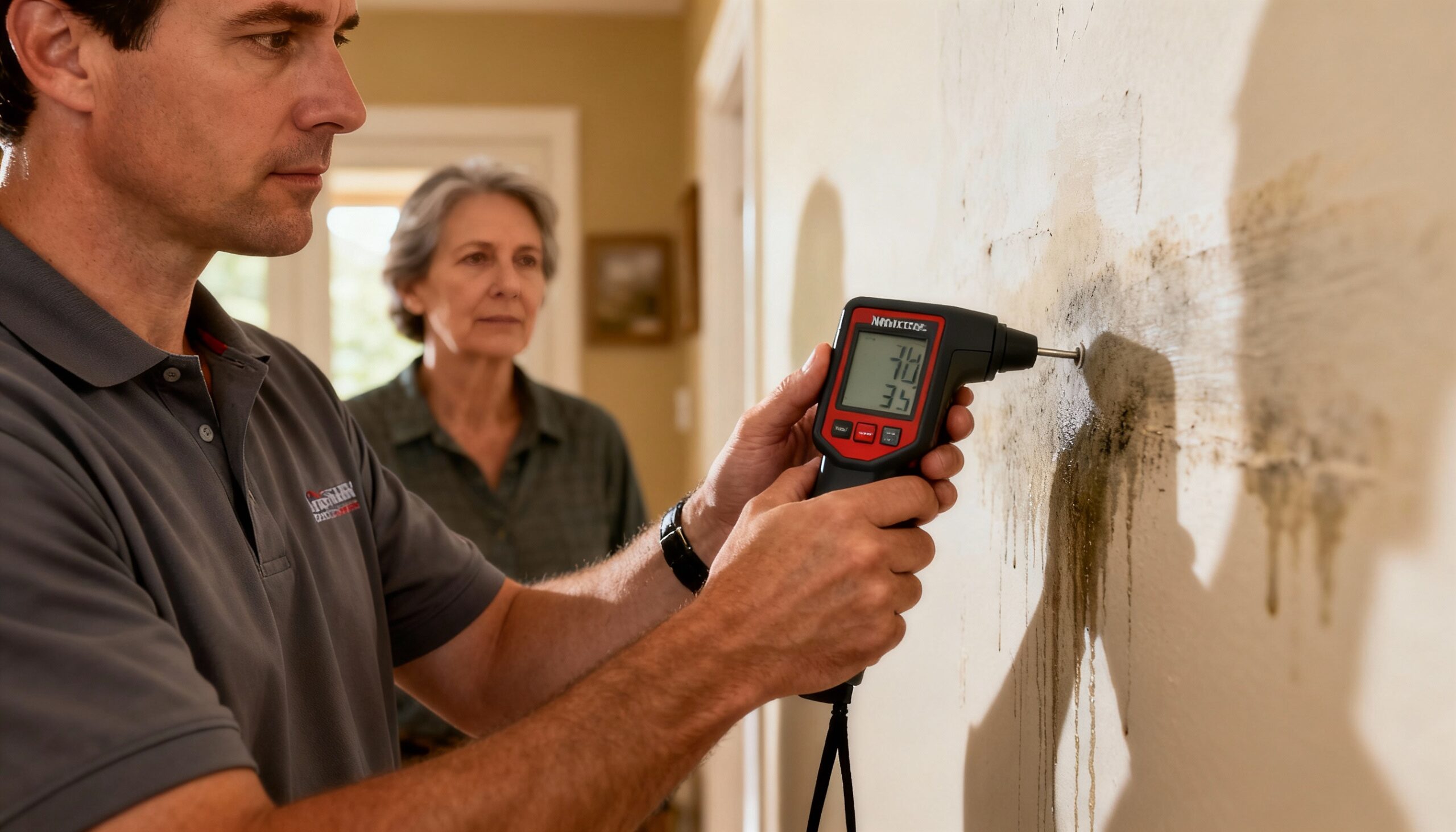
A mold inspection is a comprehensive visual examination of your property conducted by a trained professional. During this process, the inspector evaluates your home for visible signs of mold growth, moisture problems, and conditions that could promote future mold development. The primary goal of a mold inspection is to identify the presence, location, and extent of any mold issues while determining the underlying causes.
Professional inspectors use various mold detection methods during an inspection, including moisture meters, thermal imaging cameras, and borescopes to examine areas that aren’t easily visible. They assess common problem areas such as basements, attics, crawl spaces, bathrooms, and areas around plumbing fixtures. A thorough mold evaluation also includes examining the HVAC system, checking for proper ventilation, and identifying any water intrusion points.
The inspection process typically takes between one and three hours, depending on the size of your property and the complexity of any issues discovered. At the conclusion, you receive a detailed report outlining the inspector’s findings, including photographs of problem areas and recommendations for remediation if necessary.
Key Components of a Professional Mold Inspection
A complete mold assessment involves several critical steps that ensure no potential problem areas are overlooked. Understanding these components helps you know what to expect when you schedule an inspection.
Visual examination forms the foundation of any mold inspection. Inspectors look for discoloration, staining, warping, or other physical signs that indicate mold presence. They also check for musty odors, which often signal hidden mold growth behind walls or under flooring.
Moisture assessment is equally important because mold requires moisture to grow. Using specialized equipment, inspectors identify areas with elevated humidity or active water intrusion. This moisture mapping helps predict where mold growth is likely to occur and guides remediation efforts.
Documentation throughout the inspection creates a record of current conditions. This documentation proves valuable for insurance claims, real estate transactions, and tracking the success of any remediation work performed.
What Is Mold Testing?
Mold testing goes beyond visual inspection by collecting physical samples that are analyzed in a laboratory. This scientific approach to mold evaluation provides specific information about the types and concentrations of mold present in your environment. When comparing mold testing vs inspection, testing offers quantifiable data that visual examination alone cannot provide.
There are several mold detection methods used in testing, each serving different purposes and providing different types of information. Understanding these methods helps you determine which testing approach is most appropriate for your situation.
Types of Mold Testing Methods
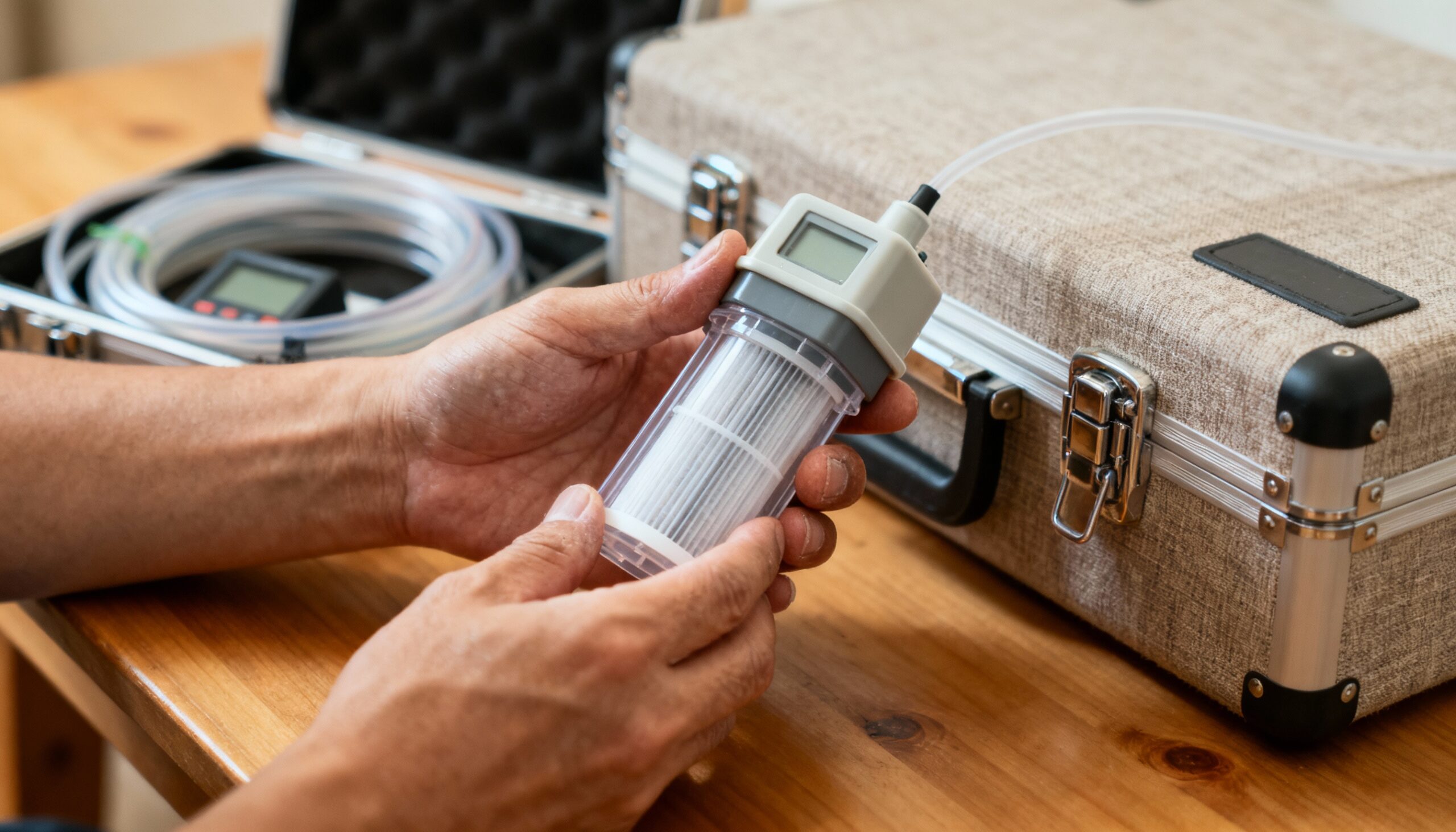
Air sampling represents the most common form of mold testing. Technicians use specialized equipment to capture airborne mold spores over a specific time period. These samples are then analyzed to determine both the types of mold present and their concentrations compared to outdoor baseline levels. Air testing provides insight into the overall air quality within your home and can detect mold that isn’t visible.
Surface sampling involves collecting material directly from suspected mold growth. Methods include tape lifts, swab samples, and bulk samples where small pieces of affected material are removed for analysis. Surface testing confirms the type of mold present in a specific location and helps determine the appropriate remediation approach.
Bulk sampling requires removing portions of building materials suspected of containing mold. These samples undergo laboratory analysis to identify mold species and assess the extent of contamination within the material itself. This method proves particularly useful when evaluating whether building materials require replacement.
ERMI testing, which stands for Environmental Relative Moldiness Index, analyzes dust samples from your home to create a comprehensive mold profile. This DNA-based testing method identifies a wide range of mold species and compares your home’s moldiness level to a national database, providing context for the results.
| Testing Method | What It Measures | Best Used For | Turnaround Time |
|---|---|---|---|
| Air Sampling | Airborne spore types and concentrations | Overall indoor air quality assessment | 3-5 business days |
| Surface Sampling | Mold species on specific surfaces | Confirming visible growth identification | 3-5 business days |
| Bulk Sampling | Mold within building materials | Determining material contamination extent | 5-7 business days |
| ERMI Testing | Comprehensive dust mold profile | Overall home moldiness assessment | 7-10 business days |
Mold Testing vs Inspection: Understanding the Key Differences
The distinction between these two services comes down to methodology and the information each process provides. An inspection tells you whether mold is present and where it’s located, while testing tells you what types of mold exist and in what quantities. Both services serve important but different purposes in addressing mold concerns.
Think of mold inspection as the detective work that identifies the problem and its source. The inspector’s trained eye and experience allow them to recognize signs of mold that homeowners might miss. They understand building science and can trace moisture problems back to their origin, whether that’s a roof leak, plumbing issue, or inadequate ventilation.
Mold testing, on the other hand, provides the scientific evidence that supports inspection findings. Laboratory analysis removes guesswork by identifying exactly what you’re dealing with. This information becomes crucial when health concerns exist, insurance claims are involved, or legal documentation is required.
When to Choose Inspection Over Testing
A mold inspection without testing often makes sense when visible mold growth is already present. If you can see mold, you already know it exists, and testing may only delay necessary remediation. In these cases, a professional mold assessment focuses on determining the extent of contamination and identifying the moisture source that allowed growth to occur.
Inspections alone also work well for preventive purposes. Annual mold evaluations help identify potential problems before they develop into significant issues. Homeowners in humid climates or those with older homes benefit particularly from regular inspections that catch moisture problems early.
Real estate transactions often require mold inspections as part of the due diligence process. Buyers want assurance that a property doesn’t have hidden mold issues, and sellers benefit from addressing any problems before listing. In many cases, a visual inspection provides sufficient information for these purposes.
When Mold Testing Becomes Necessary
Certain situations call specifically for mold testing rather than inspection alone. Understanding when testing adds value helps you make cost-effective decisions about addressing mold concerns.
Health symptoms that might be mold-related warrant testing to identify specific species present. Some mold types produce mycotoxins that pose greater health risks than others. Knowing exactly what mold exists helps healthcare providers assess potential health impacts and guides remediation priorities.
Post-remediation verification requires testing to confirm that mold removal was successful. Air and surface samples taken after remediation should show significantly reduced mold levels compared to pre-remediation conditions. This testing provides documentation that the mold remediation process achieved its intended results.
Insurance claims and legal situations often require laboratory documentation. Test results from accredited laboratories carry more weight than visual inspection alone when disputes arise about mold presence or remediation effectiveness.
Hidden mold suspected but not visible presents another scenario where testing proves valuable. Air sampling can detect elevated spore counts even when mold growth remains concealed behind walls or under flooring. This helps justify more invasive investigation when inspection alone cannot locate the source.
The Combined Approach: Inspection and Testing Together
Many situations benefit from combining mold inspection and testing for a complete mold assessment. This comprehensive approach provides both the qualitative information from visual examination and the quantitative data from laboratory analysis. Professional mold evaluators often recommend this combined approach for complex situations or when maximum information is needed.
The inspection component identifies problem areas and guides sample collection locations. Rather than randomly collecting samples, the inspector targets areas where testing will provide the most useful information. This strategic approach improves the value of testing results while potentially reducing the number of samples needed.
Test results then confirm or expand upon inspection findings. Sometimes testing reveals mold issues in areas that appeared clean during visual examination. Other times, testing confirms that suspicious discoloration isn’t actually mold. This two-pronged approach provides the most complete picture of your mold situation.
Cost Considerations for Mold Testing vs Inspection
Understanding the costs associated with inspection and testing helps you budget appropriately and make informed decisions about which services to pursue. Prices vary based on property size, geographic location, and the extent of services needed.
Basic mold inspections typically range from $300 to $600 for average-sized homes. This includes the visual examination, moisture assessment, and detailed report. Larger properties or those requiring more extensive investigation may cost more.
Mold testing costs depend on the number and type of samples collected. Air samples typically cost $75 to $150 each, with most inspectors recommending at least three samples for meaningful comparison. Surface and bulk samples usually run $50 to $100 each. ERMI testing, being more comprehensive, typically costs $300 to $400 per sample.
Combined inspection and testing packages often provide better value than purchasing services separately. Many mold professionals offer bundled pricing that includes inspection plus a set number of samples, making comprehensive mold evaluation more accessible.
| Service Type | Typical Cost Range | What’s Included |
|---|---|---|
| Basic Mold Inspection | $300 – $600 | Visual examination, moisture assessment, detailed report |
| Air Sample Testing | $75 – $150 per sample | Laboratory analysis, species identification, spore counts |
| Surface Sample Testing | $50 – $100 per sample | Species identification from visible growth |
| ERMI Testing | $300 – $400 | Comprehensive DNA-based mold analysis |
| Combined Inspection + Testing | $450 – $800 | Full inspection plus 2-4 samples with analysis |
Choosing a Qualified Mold Professional
Whether you need mold testing, inspection, or both, selecting a qualified professional ensures accurate results and appropriate recommendations. The mold detection methods and assessment quality vary significantly between providers, making careful selection important.
Look for professionals with recognized certifications in mold assessment and remediation. Organizations like ACAC (American Council for Accredited Certification), IICRC (Institute of Inspection Cleaning and Restoration Certification), and NORMI (National Organization of Remediators and Mold Inspectors) provide training and certification that indicate professional competence.
Experience matters significantly in mold evaluation. Professionals who have conducted hundreds of inspections develop an eye for subtle signs that less experienced inspectors might miss. Ask about their experience with properties similar to yours and their familiarity with common mold issues in your area.
Ensure that any testing is performed through accredited laboratories. AIHA (American Industrial Hygiene Association) accreditation ensures that labs follow standardized procedures and quality controls. Results from non-accredited laboratories may not be accepted for insurance or legal purposes.
Independence is another important consideration. Some mold remediation companies offer free or low-cost inspections but have an inherent conflict of interest in finding problems that require their services. Independent inspectors who don’t perform remediation can provide more objective mold assessments.
What to Do After Your Mold Assessment
Once you’ve completed mold testing vs inspection or both, the findings guide your next steps. Understanding how to interpret and act on results ensures you address any problems effectively.
If the mold evaluation reveals no significant issues, maintain vigilance through regular monitoring and moisture control. Address any minor concerns identified during inspection before they develop into larger problems. Consider annual inspections if your property has risk factors like a history of water damage or high humidity.
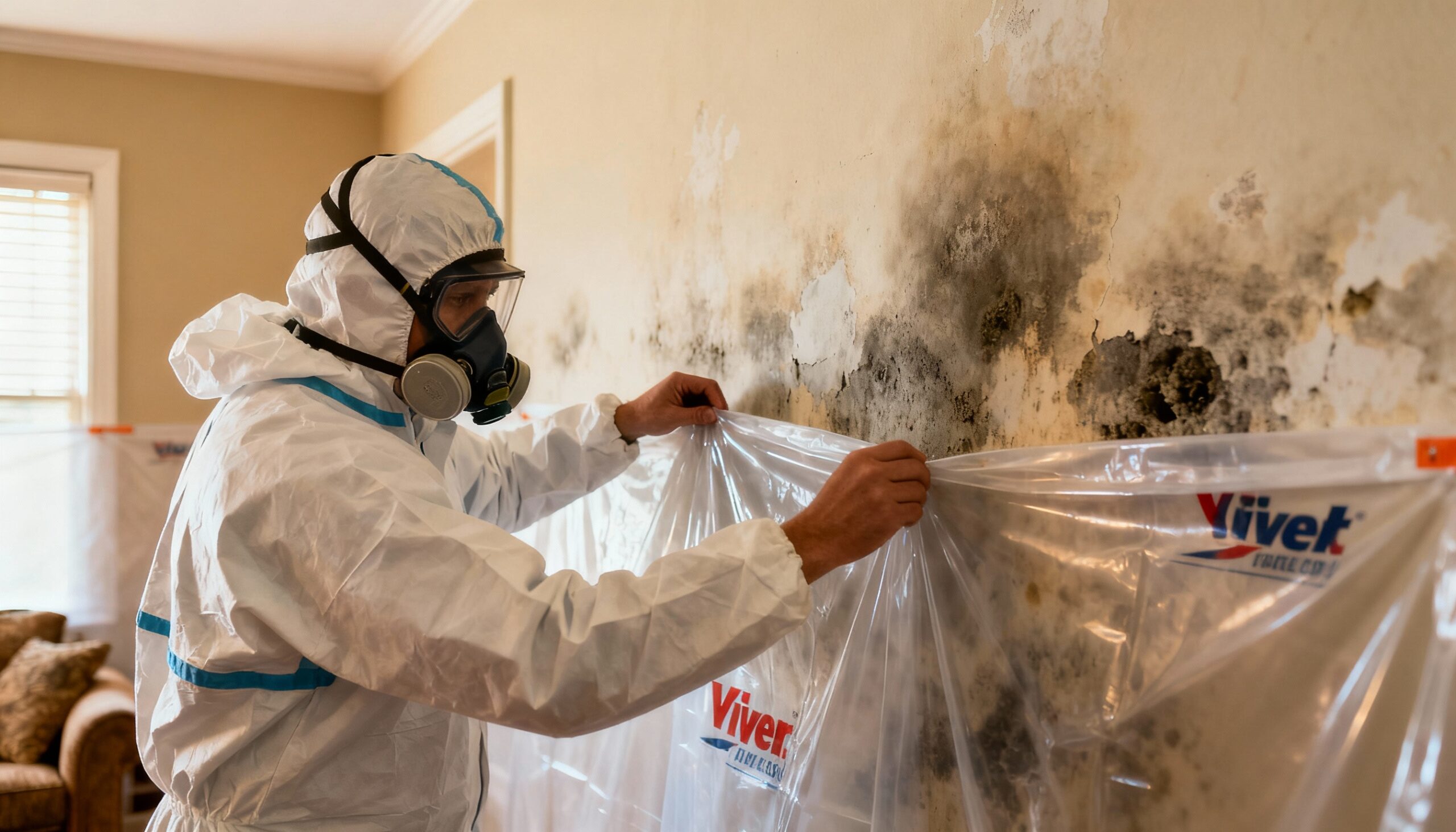
When mold is found, the inspection report provides guidance on remediation needs. Small areas of mold, typically under 10 square feet, may be suitable for DIY cleaning with proper precautions. Larger contamination or mold affecting HVAC systems requires professional mold remediation to ensure complete removal and prevent spread during cleanup. Commercial properties face additional considerations including business continuity and regulatory compliance.
Addressing the moisture source is essential regardless of contamination extent. Without eliminating the conditions that allowed mold to grow, any remediation effort provides only temporary relief. Fixing leaks, improving ventilation, and controlling humidity prevent recurrence after mold removal.
Frequently Asked Questions About Mold Testing vs Inspection
Do I need both mold testing and inspection?
Not always. If visible mold is present, you may only need an inspection to determine the extent and source. Testing becomes valuable when you need to identify specific mold types, verify remediation success, or document findings for insurance or legal purposes. A professional can help you determine which mold detection methods are appropriate for your situation.
How long does a mold inspection take?
A thorough mold inspection typically takes one to three hours depending on property size and complexity. The inspector examines all accessible areas, uses moisture detection equipment, and documents findings. If mold testing samples are collected, the actual collection adds about 30-60 minutes, though laboratory results take several days to receive.
Can I test for mold myself?
DIY mold test kits are available, but their reliability is questionable. These kits typically use settle plates that collect airborne spores over time, but they cannot distinguish between normal background mold levels and problematic concentrations. Professional mold testing uses calibrated equipment and accredited laboratories, providing results you can trust and act upon confidently.
What types of mold are most dangerous?
While no mold is desirable indoors, certain species raise greater concerns. Stachybotrys chartarum (black mold), Aspergillus, and Chaetomium are associated with more serious health effects and often indicate significant water damage. However, mold assessment should address all mold types, as individual sensitivities vary and any indoor mold growth indicates moisture problems requiring attention.
How often should I have my home inspected for mold?
Annual mold evaluations are recommended for homes with risk factors such as previous water damage, basement or crawl space moisture issues, older HVAC systems, or location in humid climates. Additionally, schedule a mold inspection after any water intrusion event, before purchasing a new property, or if occupants experience unexplained allergy symptoms or respiratory issues.
Will insurance cover mold testing and inspection costs?
Some homeowner’s policies cover inspection and testing costs when investigating damage from a covered peril like a burst pipe. However, many policies exclude or limit mold coverage. Review your policy or contact your insurance agent to understand your specific coverage before scheduling services.