Water Damage Restoration
Susquehanna River Flooding History: Why Harrisburg Homes Need Flood Preparedness
December 14, 202511 min read
E
Elsa Boyer· Regional Operations Manager (Harrisburg, PA)
Elsa Boyer is a Regional Operations Manager for Advanced Disaster Recovery, based in Harrisburg, Pennsylvania, overseeing commercial and healthcare restoration projects. She holds a Bachelor of Arts from Valparaiso University and a deep certification portfolio, including ICRA Certified Healthcare Remediator Supervisor and multiple IICRC designations across commercial drying, structural drying, water, and fire & smoke restoration.
Certified Healthcare Remediator Supervisor (ICRA), IICRC Commercial Drying Specialist, IICRC Applied Structural Drying, IICRC Water Restoration Technician (WRT), IICRC Fire and Smoke Restoration Technician, Lead-Based Paint Renovator, Mold Remediation Technician (RIA), OSHA 10 CertifiedLinkedIn
Published December 14, 2025 · Updated July 28, 2026

Learn about flood risk in Harrisburg PA and the Susquehanna River flood zone history. Get 24/7 water damage help from Advanced DRI in NY, NJ, PA & CT.
The Susquehanna River: A History of Devastating Floods
The Susquehanna River stretches 444 miles, making it the longest river on the American East Coast. Its massive drainage basin collects water from New York, Pennsylvania, and Maryland, channeling it directly through Harrisburg. This geographic reality creates substantial flood risk in Harrisburg PA that residents must understand and respect.Historic Floods That Shaped Harrisburg
Several catastrophic floods have left permanent marks on the Harrisburg area, each one reinforcing why those in the Susquehanna River flood zone must remain vigilant. The Great Flood of 1936 remains etched in local memory. Heavy spring rains combined with rapid snowmelt sent the Susquehanna cresting at 29.23 feet—more than 12 feet above flood stage. Downtown Harrisburg was submerged, with water reaching second-story windows in some areas. The flood caused widespread destruction and prompted the construction of the flood wall system that still protects parts of the city today. Tropical Storm Agnes (1972) delivered the most devastating flood in modern Harrisburg history. The river crested at an unprecedented 33.27 feet, overwhelming flood control measures and inundating neighborhoods that had never flooded before. Thousands of homes were destroyed by storm damage, and the economic impact reached into the billions. This event permanently changed how residents think about flood risk in Harrisburg PA. Tropical Storm Lee (2011) served as a stark reminder that major flooding remains a constant threat. Coming just days after Hurricane Irene had already saturated the ground, Lee pushed the Susquehanna to 25.17 feet. Entire neighborhoods were evacuated, and many homeowners who thought they were safe found themselves desperately seeking flood damage help Harrisburg professionals could provide.Am I in a Flood Zone Harrisburg? Understanding Your Risk
One of the most common questions Harrisburg homeowners ask is "am I in a flood zone Harrisburg?" The answer depends on several factors, including your proximity to the river, your elevation, and local drainage patterns.FEMA Flood Zone Classifications
FEMA designates flood zones using letter classifications that indicate different levels of risk within the Susquehanna River flood zone and surrounding areas:| Zone Designation | Risk Level | Insurance Requirement | Common Harrisburg Areas |
|---|---|---|---|
| Zone A/AE | High Risk (1% annual chance) | Mandatory with federal mortgage | Shipoke, South Harrisburg riverfront |
| Zone X (shaded) | Moderate Risk (0.2% annual chance) | Recommended but not required | Portions of Midtown, Allison Hill |
| Zone X (unshaded) | Minimal Risk | Optional | Uptown, portions of Penbrook |
How to Check Your Flood Zone Status
If you're still wondering "am I in a flood zone Harrisburg," several resources can help you determine your exact risk level:- FEMA Flood Map Service Center: Enter your address at msc.fema.gov to view official flood maps
- Dauphin County GIS: The county provides interactive mapping tools showing flood zones
- Your Insurance Agent: They can pull detailed flood risk reports for your specific property
- City of Harrisburg Planning Office: Staff can help interpret flood maps and explain local regulations
Your Essential Flood Preparation Checklist
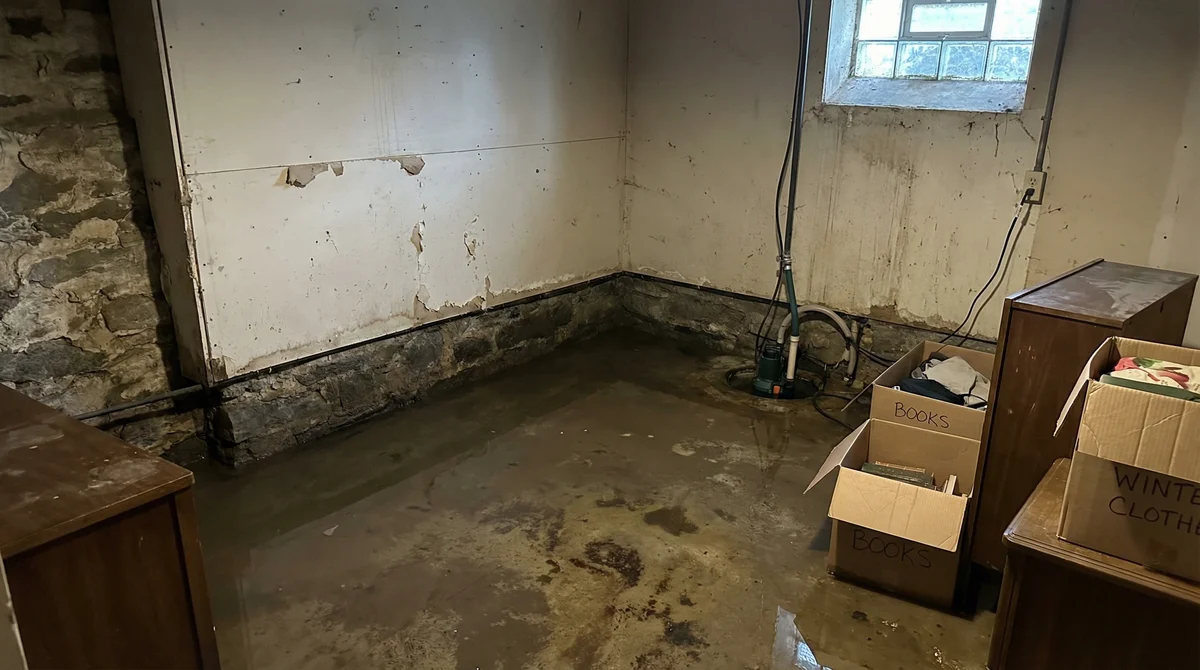
Whether you live directly in the Susquehanna River flood zone or in areas with lower risk, having a comprehensive flood preparation checklist is essential for every Harrisburg homeowner. Disaster planning and preparation can dramatically reduce damage and speed recovery.Before Flood Season: Home Preparation
Complete these tasks before the spring flood season and hurricane season to minimize your flood risk in Harrisburg PA: Structural Preparations:- Install check valves in plumbing to prevent sewage backup
- Waterproof basement walls with sealants and coatings
- Elevate electrical panels, water heaters, and HVAC systems above potential flood levels
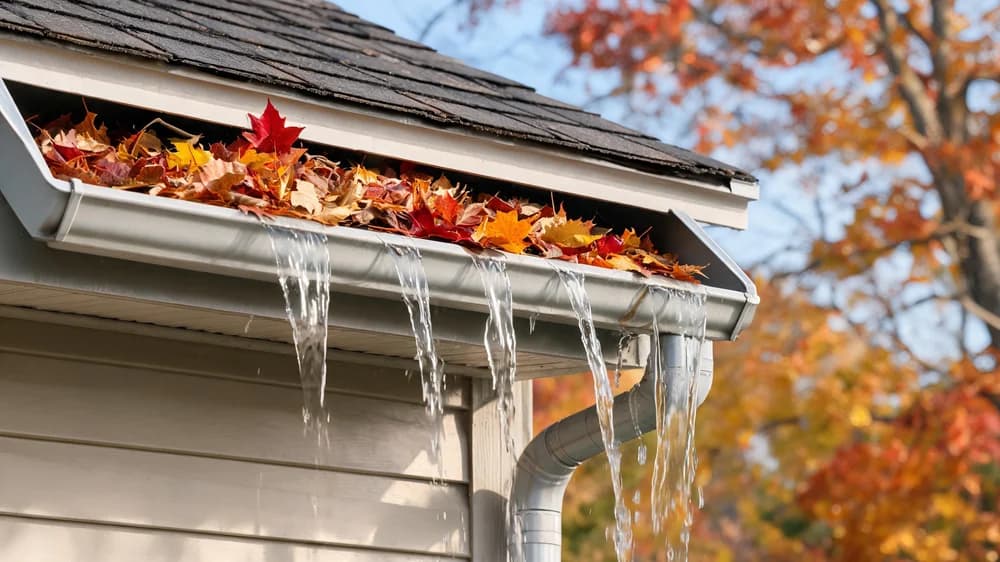
- Clear gutters and downspouts; extend downspouts at least 6 feet from foundation
- Grade landscaping to direct water away from your home
- Document all possessions with photos and video for contents cleaning and restoration insurance purposes
- Store important documents in waterproof containers or safe deposit boxes
- Review and update flood insurance policy—standard homeowners insurance doesn't cover floods
- Know your policy's waiting period (typically 30 days for new policies)
The 72-Hour Flood Preparation Checklist
When flood warnings are issued, this flood preparation checklist should guide your immediate actions:| Timeframe | Priority Actions |
|---|---|
| 72 Hours Out | Move vehicles to high ground; begin moving valuables to upper floors; fill prescriptions; charge all devices |
| 48 Hours Out | Fill bathtubs and containers with clean water; move furniture and electronics upstairs; photograph current home condition |
| 24 Hours Out | Disconnect electrical appliances; turn off utilities at main switches; secure outdoor items; prepare to evacuate |
| Evacuation | Take emergency kit, important documents, medications; don't drive through flooded roads; contact family with your location |
Emergency Supply Kit Essentials
Every household in the Susquehanna River flood zone should maintain an emergency kit containing:- Three-day supply of water (one gallon per person per day)
- Non-perishable food and manual can opener
- Flashlights, batteries, and battery-powered radio
- First aid kit and essential medications
- Copies of important documents in waterproof bag
- Cash in small bills
- Phone chargers and backup battery packs
- Contact information for flood damage help Harrisburg restoration services
After the Flood: Getting the Help You Need
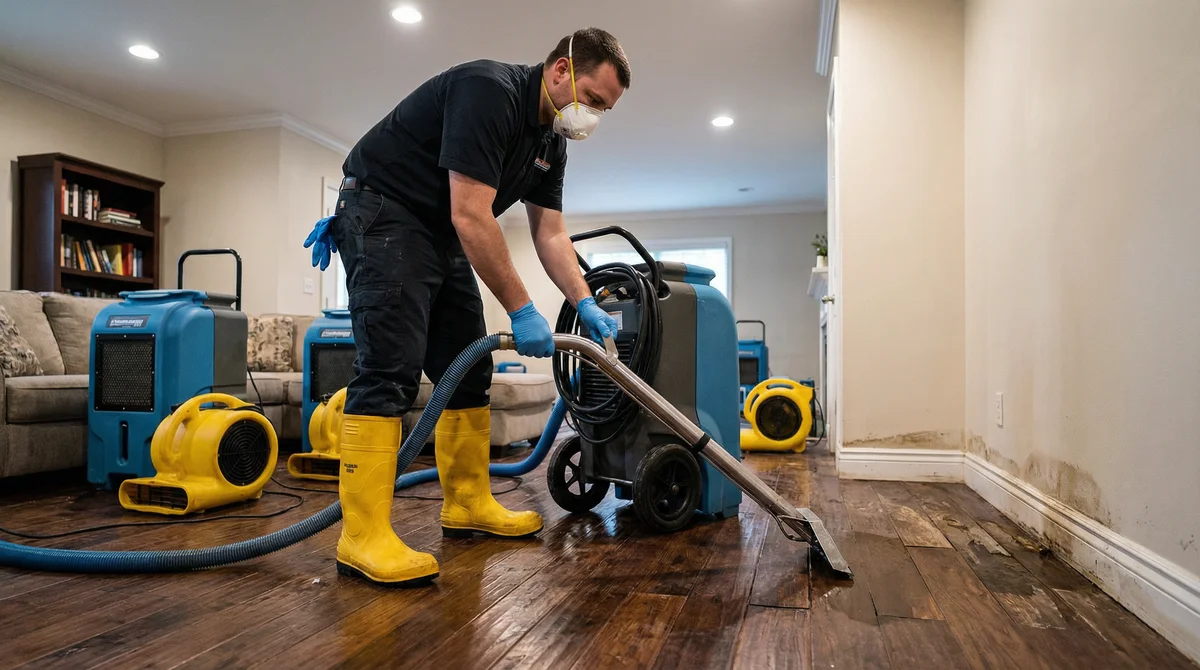
Even with the best flood preparation checklist, flooding can still cause significant damage. Knowing how to respond and where to find flood damage help Harrisburg homeowners can trust is crucial for recovery.Immediate Post-Flood Actions
Once authorities declare it safe to return, these steps will protect your health and maximize insurance recovery:- Document everything before cleanup begins—photograph and video all damage
- Contact your insurance company immediately to begin the claims process
- Don't enter if you smell gas or see structural damage—call professionals first
- Wear protective gear including rubber boots, gloves, and N95 masks
- Begin water removal as quickly as possible—mold can begin growing within 24-48 hours
Why Professional Flood Damage Restoration Matters
Flood water isn't just inconvenient—it's often contaminated with sewage, chemicals, and bacteria that pose serious health risks. Professional flood damage help Harrisburg restoration teams provide is essential for several reasons:- Proper water extraction: Industrial water cleanup and extraction equipment removes water faster, reducing secondary damage
- Hidden moisture detection: Professional meters find water trapped in walls and under floors
- Mold prevention: Proper drying techniques prevent dangerous mold growth
- Contamination handling: Certified technicians safely handle category 3 (black water) floods
- Insurance documentation: Professional assessments support your insurance claim
Reducing Your Long-Term Flood Risk in Harrisburg PA
Beyond immediate preparation, homeowners can take steps to permanently reduce their flood risk in Harrisburg PA:Home Modifications Worth Considering
Elevation: Raising your home above the base flood elevation can dramatically reduce flood risk and lower insurance premiums. While expensive, FEMA grants may help offset costs for properties in high-risk zones. Flood Vents: Installing flood vents in foundation walls allows water to flow through rather than building up pressure that can cause structural failure. Sump Pump Systems: Battery backup sump pumps continue working during power outages when they're needed most. Backflow Prevention: Professional-grade backflow preventers stop sewage from backing up into your home during floods.Community Resources for Flood Preparedness
Harrisburg and Dauphin County offer several resources for residents concerned about whether they're asking "am I in a flood zone Harrisburg" or seeking to improve their preparedness:- Dauphin County Emergency Management Agency provides flood preparedness workshops
- The City of Harrisburg offers sandbag distribution during flood warnings
- PEMA (Pennsylvania Emergency Management Agency) maintains flood response resources
- Local community groups organize neighborhood flood watch programs
Frequently Asked Questions About Harrisburg Flooding
How often does the Susquehanna River flood in Harrisburg?
Minor flooding occurs almost annually during spring snowmelt and after heavy rain events. Moderate flooding affecting low-lying areas happens every few years. Major flooding like Tropical Storm Lee (2011) occurs roughly once per decade, while catastrophic events like Tropical Storm Agnes (1972) are less frequent but remain a real possibility for those in the Susquehanna River flood zone.
Does flood insurance cover basement flooding?
NFIP flood insurance covers structural damage to basements, including foundation walls, stairs, and essential equipment like furnaces. However, it typically doesn't cover basement improvements like finished walls, floors, or personal belongings stored in basements. Understanding these limitations is part of managing your flood risk in Harrisburg PA effectively.
How quickly should I call for flood damage help after flooding?
Contact flood damage help Harrisburg professionals immediately—within hours if possible. Mold can begin growing within 24-48 hours in wet conditions. The faster water is extracted and drying begins, the more of your home and belongings can be saved, and the lower your overall restoration costs will be.
What areas of Harrisburg are most prone to flooding?
Shipoke, directly on the riverfront, faces the highest risk. South Harrisburg along the river, portions of the city near Paxton Creek, and low-lying areas of Allison Hill also see regular flooding. However, if you're wondering "am I in a flood zone Harrisburg," remember that major events can affect areas well beyond typical flood zones.
What's the most important item on a flood preparation checklist?
While every item matters, flood insurance tops any flood preparation checklist. Without it, you could face tens of thousands of dollars in unrecoverable losses. Remember that standard homeowners policies don't cover flood damage, and there's typically a 30-day waiting period for new flood policies to take effect.
Protect Your Harrisburg Home from Flood Damage
The Susquehanna River's history of devastating floods makes understanding your flood risk in Harrisburg PA essential for every homeowner in the region. Whether you live directly in the Susquehanna River flood zone or in areas that seem safely distant from the river, preparation is your best protection against flood damage. Take time today to determine if you're asking yourself "am I in a flood zone Harrisburg"—and take action regardless of the answer. Complete your flood preparation checklist, ensure you have adequate flood insurance, and know who to call when you need flood damage help Harrisburg families can depend on. When flooding strikes and you need immediate assistance with water extraction, drying, and restoration, Advanced Disaster Recovery Inc. provides 24/7 emergency response throughout the Harrisburg area. Our certified technicians understand the unique challenges of Susquehanna River flooding and deliver fast, professional restoration to get your home back to normal.Categories
Need Restoration Services?
Our team is available 24/7 for emergency response. Call us today for a free phone consultation.


Questions About Restoration?
Our experts are ready to help. Contact us for a free consultation.