
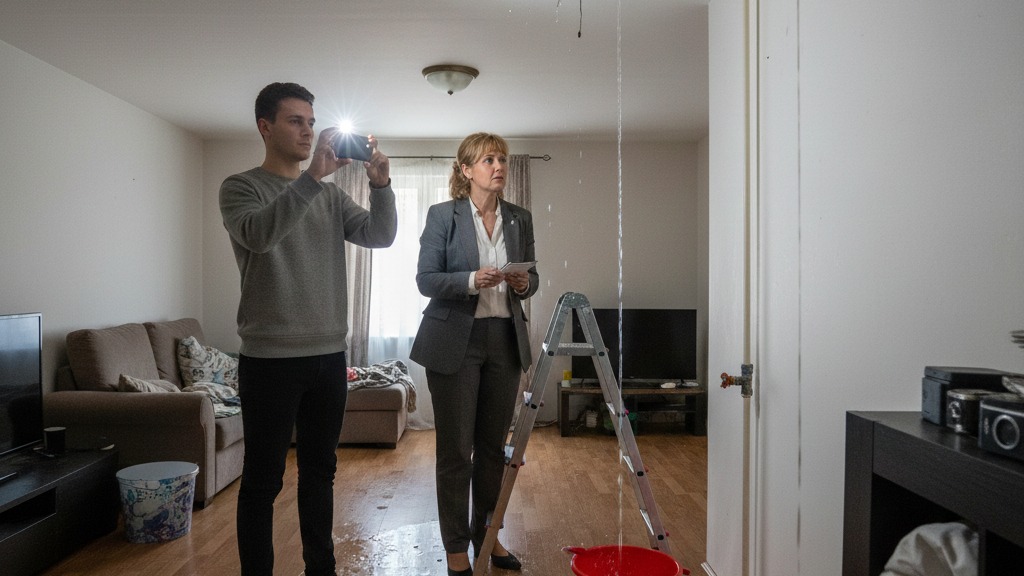
Understanding tenant water damage and rental water damage responsibility is essential for both landlords and tenants facing water emergencies. Clear knowledge of apartment flood responsibility helps prevent disputes and ensures proper response. Renter’s insurance water damage coverage protects tenants’ personal property, while landlord insurance covers building structure. Knowing who handles tenant water damage situations in different scenarios protects both parties’ interests.
General Responsibility Framework
Rental water damage responsibility typically divides along predictable lines, though specific lease terms and local laws may modify these general principles.
Landlord Responsibilities
Landlords are generally responsible for:
- Building structure and systems (plumbing, roof, foundation)
- Repairs to rental property damage not caused by tenant negligence
- Maintaining habitable conditions
- Property insurance covering the building
- Addressing emergency repairs promptly
Tenant Responsibilities
Tenants are generally responsible for:
- Personal belongings (furniture, clothing, electronics)
- Damage caused by tenant negligence or misuse
- Renter’s insurance covering personal property
- Promptly reporting water issues to landlord
- Reasonable mitigation of damage when discovered
| Damage Scenario | Typically Landlord Responsibility | Typically Tenant Responsibility |
|---|---|---|
| Pipe burst inside wall | Repair, water extraction, structural drying | Personal property damage |
| Tenant leaves sink running | May seek reimbursement from tenant | Damage caused by negligence |
| Roof leak during storm | Roof repair, interior restoration | Personal property damage |
| Upstairs neighbor’s flood | Building repairs to your unit | Personal property damage |
| Tenant overflows bathtub | May seek reimbursement | Damage from negligent overflow |
| Appliance failure (provided appliance) | Appliance replacement, damage from failure | Personal property; possibly damage if misuse caused failure |
When Landlords Are Responsible
Landlords bear rental water damage responsibility for most water damage resulting from building conditions or system failures.
Building System Failures
When building plumbing, roofing, or other systems fail, landlords are responsible for:
- Emergency water extraction and mitigation
- Structural drying to prevent mold
- Repairs to damaged walls, floors, and ceilings
- Repairing the failed system
- Restoring the unit to habitable condition
Deferred Maintenance Issues
Water damage resulting from maintenance issues the landlord knew or should have known about falls on the landlord:
- Known plumbing problems not addressed
- Roof issues previously reported
- Foundation drainage problems
- Appliance issues landlord was notified about
Pro Tip: Tenants should document all maintenance requests in writing (email, text, dated letters) and keep copies. Documentation of reported issues becomes crucial if disputes arise about who knew what and when.
Habitability Obligations
Landlords have legal obligations to maintain habitable conditions. Significant water damage may render units uninhabitable, potentially requiring landlords to:
- Provide alternative housing during restoration
- Reduce or waive rent during uninhabitable periods
- Complete repairs within reasonable timeframes
When Tenants Are Responsible
Tenants bear tenant water damage responsibility when their actions or negligence cause water damage.
Negligence Scenarios
Damage caused by tenant negligence may shift apartment flood responsibility to tenants:
- Leaving water running that causes overflow
- Failing to report known leaks promptly
- Improper use of appliances causing failure
- Blocked drains from improper disposal
- Failure to maintain reasonable temperatures (frozen pipes)
Personal Property
Tenants are responsible for their own belongings regardless of damage cause. Landlord insurance covers building structure—not tenant possessions. Renter’s insurance protects personal property.
Mitigation Duties
Both parties have duties to mitigate damage. Tenants discovering water damage should:
- Stop the water source if safely possible
- Notify landlord immediately
- Move belongings from water if safely possible
- Document conditions before cleanup
Failure to mitigate may shift responsibility for preventable additional damage.
Insurance Considerations
Insurance plays crucial roles in tenant water damage situations.
Landlord Insurance
Landlord/property insurance typically covers:
- Building structure damage
- Professional restoration costs
- Lost rent during restoration (with appropriate coverage)
- Liability for tenant injuries related to property conditions
Landlord insurance does NOT cover tenant belongings.
Renter’s Insurance
Renter’s insurance water damage protection covers tenants by providing:
- Personal property damage or loss
- Additional living expenses if displacement is needed
- Liability if tenant’s actions cause damage to others
Warning: Without renter’s insurance, tenants have no protection for personal belongings damaged by water events—even those caused entirely by building failures. Renter’s insurance is inexpensive and strongly recommended.
Filing Claims
After water damage:
- Landlords file claims under property insurance for building damage
- Tenants file claims under renter’s insurance for personal property
- Both parties should document damage thoroughly before restoration
Responding to Water Damage in Rentals
Proper response to tenant water damage protects both parties’ interests.
Tenant Immediate Response
- Ensure safety—address electrical hazards, don’t enter unsafe areas
- Stop water source if safely possible
- Notify landlord immediately—document notification
- Document damage with photos and video before cleanup
- Protect belongings by moving them from water
- Contact renter’s insurance for personal property claims
Landlord Immediate Response
- Respond promptly—emergency situations require immediate attention
- Arrange professional restoration through 24-hour emergency services
- Document damage for insurance purposes
- File insurance claim promptly
- Communicate timeline expectations to tenant
- Address habitability—temporary housing if needed
Disputes and Resolution
Tenant water damage situations sometimes create landlord-tenant disputes.
Common Dispute Areas
- Responsibility assignment (who caused the damage)
- Repair timeline and quality
- Rent obligations during restoration
- Security deposit deductions
- Personal property claims
Documentation Importance
Documentation protects both parties:
- Written maintenance requests with dates
- Photos of damage before and after
- Communication records
- Professional restoration documentation
- Insurance claim records
Resolution Options
When disputes arise:
- Direct communication and negotiation
- Mediation services (many communities offer free mediation)
- Small claims court for limited amounts
- Attorney consultation for significant disputes
Mold Concerns in Rentals
Tenant water damage that isn’t properly addressed leads to mold growth, creating additional complications.
Landlord Mold Responsibilities
Landlords must address mold contamination from water damage they’re responsible for. Failure to remediate mold can create:
- Habitability issues
- Health hazard liability
- Legal exposure
Tenant Mold Responsibilities
Tenants should:
- Report water damage promptly to prevent mold
- Report any mold discovered immediately
- Allow access for inspection and remediation
- Not cause conditions promoting mold (excessive humidity, unreported leaks)
Lease Provisions
Lease terms may modify general rental water damage responsibility rules.
Common Lease Provisions
- Tenant notification requirements for water issues
- Landlord entry rights for emergency repairs
- Tenant responsibilities for specific maintenance
- Insurance requirements
- Procedures for emergency situations
Reviewing Your Lease
Both parties should understand lease terms regarding:
- Who is responsible for what types of damage
- Required notification procedures
- Insurance requirements
- Rent obligations during uninhabitable conditions
Frequently Asked Questions About Rental Water Damage
Do I still have to pay rent if my apartment has water damage?
+
It depends on damage severity and local laws. Minor tenant water damage during repairs typically doesn’t affect rent obligations. Significant damage rendering the unit uninhabitable may entitle you to rent reduction or temporary housing. Document conditions and communicate with your landlord. Check local tenant rights laws—some jurisdictions have specific provisions.
My landlord isn’t responding to water damage. What can I do?
+
Document everything—all communications, damage progression, health impacts. Send written notice requiring repairs within specific timeframe. Contact local housing authorities or building inspectors about habitability. Some jurisdictions allow tenants to arrange repairs and deduct costs from rent, but understand local laws before taking this approach. Consider legal consultation for significant situations.
Will my security deposit cover water damage I caused?
+
Security deposits can be applied to tenant-caused damage beyond normal wear. However, tenant water damage often exceeds deposit amounts. Landlords may pursue additional amounts through legal action. Your renter’s insurance water damage liability coverage may help if your negligence caused damage to the building or others’ property.
Who pays if a neighbor’s water damages my apartment?
+
Your landlord typically repairs building damage to your unit under apartment flood responsibility rules. Your renter’s insurance covers your personal property. The negligent neighbor (or their renter’s insurance) may ultimately bear responsibility, but immediate repairs come from these sources. Document damage and notify both landlord and your renter’s insurance.
Can my landlord charge me for burst pipe damage in winter?
+
It depends on circumstances. If you maintained reasonable heat and the pipe still burst due to building conditions, that’s typically landlord responsibility. If you left the unit unheated or didn’t report heating problems, you may share or bear tenant water damage responsibility. Lease terms may specify tenant obligations for freeze prevention.
Do I need renter’s insurance for water damage protection?
+
Strongly recommended. Landlord insurance covers the building but NOT your belongings. Without renter’s insurance water damage coverage, you have no protection for personal property damaged by water—even from building failures you didn’t cause. Renter’s insurance is typically $15-30/month and provides essential protection.
Professional Rental Property Water Damage Services
Tenant water damage in rental properties affects both landlords and tenants, requiring clear communication and appropriate professional response. Understanding responsibilities helps both parties navigate these situations effectively while minimizing disputes and ensuring proper restoration.
When water damage affects rental properties in Northern New Jersey, Pennsylvania’s Capital Region, New York’s Hudson Valley, Connecticut’s Capital Region, or the South Jersey Shore, professional restoration teams work with both landlords and tenants to address damage efficiently, providing documentation that supports all parties’ needs.