
Soot Cleaning – Understanding Soot Types
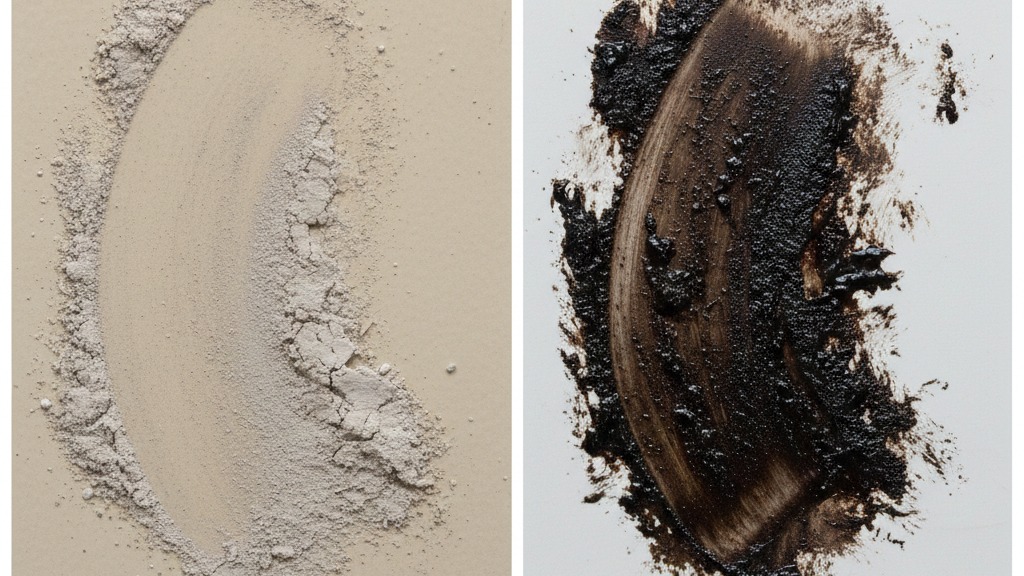
Not all soot is the same. The materials burned and combustion conditions create different soot types requiring different cleaning approaches.
Dry Soot (Type 1)
Produced by fast-burning, high-temperature fires consuming paper, wood, and similar natural materials. Dry soot is:
- Powdery and non-oily in texture
- Relatively easy to clean with proper technique
- Spread by air currents and improper cleaning
- Removed before wet cleaning methods
Wet/Oily Soot (Type 2)
Created by slow-burning, low-temperature fires with incomplete combustion—often involving plastics, rubber, and synthetic materials. Wet soot is:
- Sticky and smeared in texture
- More challenging to clean
- Prone to smearing if cleaned improperly
- Requires solvent-based cleaning agents
Protein Residue
Fires involving food or organic proteins create unique residue that:
- May be nearly invisible when fresh
- Discolors surfaces over time (yellowing)
- Produces extremely persistent odors
- Requires specific enzymatic or chemical treatment
Fuel Oil/Petroleum Soot
Furnace malfunctions and petroleum fires create dense, oily soot that:
- Coats surfaces thickly
- Requires aggressive cleaning approaches
- Often accompanies system-wide contamination
- May require specialized solvent treatments
| Soot Type | Source | Cleaning Approach |
|---|---|---|
| Dry Soot | Wood, paper, natural materials | Dry removal first, then wet cleaning |
| Wet/Oily Soot | Plastics, synthetics, rubber | Solvent cleaners, careful technique to prevent smearing |
| Protein Residue | Food, organic matter | Enzymatic cleaners, odor treatment |
| Petroleum Soot | Furnace puffbacks, fuel fires | Specialized solvents, extensive decontamination |
Why Proper Soot Cleaning Matters
Soot causes ongoing damage when not properly addressed.
Progressive Damage
Soot contains acidic compounds that continue reacting with surfaces after deposition:
- Glass etching begins within hours
- Metal corrosion accelerates
- Plastic and painted surfaces discolor permanently
- Wood finishes become irreparably damaged
Warning: The acidic nature of soot means cleaning urgency matters. What can be cleaned in the first 24-48 hours may become permanent damage if delayed. Professional fire damage response begins cleaning quickly to prevent progressive damage.
Smearing and Setting
Improper cleaning techniques cause smearing that spreads soot and drives it into surface pores:
- Wiping dry soot creates smears
- Water on oily soot causes spreading
- Heat can permanently set soot into materials
- Once smeared, surfaces become much harder to restore
Health Concerns
Soot particles contain toxic compounds that pose health risks:
- Respiratory irritation from airborne particles
- Carcinogenic compounds in many soot types
- Continued off-gassing from residual soot
- Long-term exposure concerns from inadequate cleaning
Professional Soot Cleaning Techniques
Different surfaces require different approaches for effective soot removal.
Dry Cleaning Methods
Dry soot must be removed using dry methods before any wet cleaning:
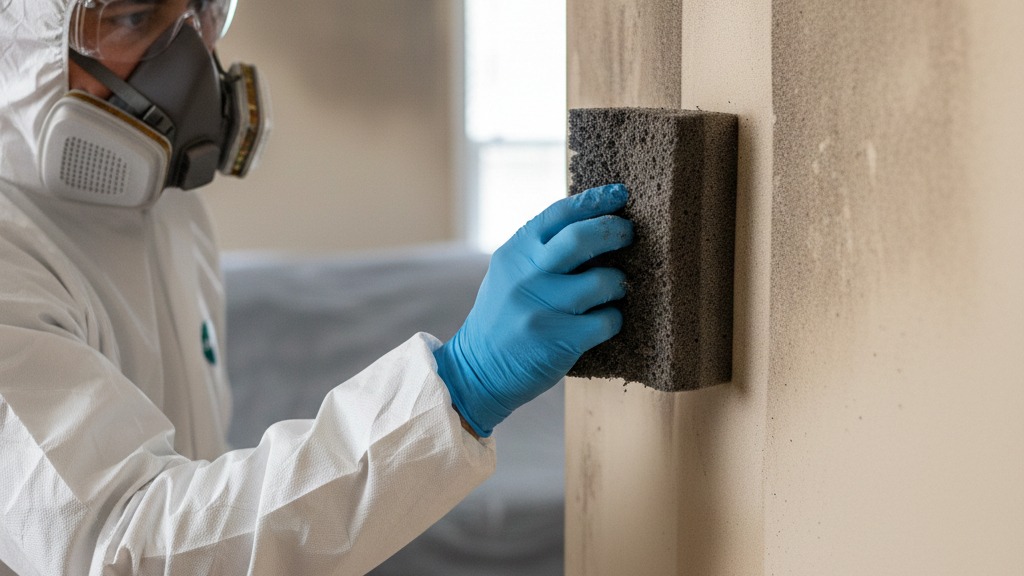
Chemical sponges (dry chem sponges): Special sponges that lift soot from surfaces through contact. Used with gentle, wiping motions—never scrubbing, which embeds soot. Sponges are rotated to fresh surfaces as they become loaded.
HEPA vacuuming: Removes loose soot from surfaces and air. HEPA filtration captures microscopic particles rather than redistributing them. Specialized attachments prevent surface damage.
Dry brushing: Soft brushes remove soot from textured surfaces. Technique must be gentle to avoid embedding particles.
Wet Cleaning Methods
After dry removal, wet cleaning addresses remaining residue:
Alkaline cleaners: Most general-purpose soot cleaning uses alkaline (high pH) solutions that cut through acidic soot residue. Concentration and application methods vary by surface.
Solvent cleaners: Oily soot requires solvent-based cleaners that dissolve greasy residue. These must be matched to surface compatibility.
Enzymatic cleaners: Protein residue responds to enzymatic products that break down organic compounds.
Surface-Specific Approaches
Painted walls and ceilings:
- Dry sponge first to remove loose soot
- Wet clean with appropriate detergent solution
- Work in sections to prevent streaking
- May require repainting after cleaning
Wood surfaces:
- Dry removal critical—wet cleaning embeds soot in grain
- Surface type determines wet cleaning approach
- Finished wood may need refinishing after cleaning
- Unfinished wood may absorb soot requiring sanding or replacement
Metals:
- Quick cleaning prevents corrosion damage
- Appropriate metal cleaners based on metal type
- Protective coatings after cleaning
- Heavily corroded items may require replacement
Glass:
- Time-sensitive to prevent etching
- Specialized glass cleaners
- May require professional glass restoration for etching
Fabrics and upholstery:
- HEPA vacuuming removes loose soot
- Professional cleaning based on fabric type
- Some fabrics cannot be adequately cleaned
- Contents restoration specialists determine salvageability
The Professional Soot Cleaning Process
Professional restoration follows systematic processes for effective soot removal.
Assessment
Before cleaning begins, assessment determines:
- Soot type(s) present
- Affected surfaces and materials
- Damage severity and salvageability
- Appropriate cleaning methods for each area
- Hidden contamination locations
Pre-Cleaning Preparation
Preparation ensures effective cleaning:
- HVAC system isolation prevents soot redistribution
- Air filtration captures airborne particles
- Protective coverings for items not yet cleaned
- Cleaning agent testing on inconspicuous areas
Systematic Cleaning
Professional crews work systematically:
- Top to bottom (gravity carries loosened soot downward)
- Clean to dirty (prevents cross-contamination)
- Multiple passes for heavily contaminated surfaces
- Verification between cleaning stages
HVAC and Hidden Areas
Complete soot cleaning addresses hidden contamination:
- Ductwork cleaning removes soot that migrated through systems
- Air handler and furnace interior cleaning
- Behind and inside cabinets
- Inside closets and storage areas
- Attic spaces if smoke penetrated
Final Verification
Cleaning verification ensures completeness:
- Visual inspection under various lighting
- White cloth testing of surfaces
- Air quality assessment
- Odor evaluation
Soot Cleaning and Odor Elimination
Soot cleaning addresses visible residue, but odor elimination requires additional treatment.
Odor Sources
Smoke odors come from:
- Visible soot residue
- Microscopic particles in surface pores
- Absorption into porous materials
- Contamination in hidden areas
Deodorization Integration
Professional restoration integrates deodorization with soot cleaning:
- Source removal through thorough cleaning
- Surface sealing for materials that cannot be fully cleaned
- Thermal fogging to neutralize airborne odors
- Ozone or hydroxyl treatment for persistent odors
DIY vs. Professional Soot Cleaning
Understanding why professional cleaning succeeds where DIY fails helps property owners make informed decisions.
Common DIY Mistakes
- Wiping soot before dry removal (causing smearing)
- Using water on dry soot (embedding particles)
- Using wrong cleaners for soot type
- Missing hidden contamination areas
- Inadequate safety precautions
Professional Advantages
- Correct technique prevents smearing and setting
- Proper cleaning agents for specific soot types
- Industrial equipment for thorough cleaning
- Experience identifying hidden contamination
- Integration with overall restoration process
Pro Tip: Before professional help arrives, avoid touching or cleaning soot-covered surfaces. Well-intentioned cleaning attempts often make professional restoration more difficult or impossible.
Frequently Asked Questions About Soot Cleaning
Can I clean soot myself?
+
Minor soot from small incidents may be DIY-cleanable using proper technique: dry sponge or HEPA vacuum first, then appropriate wet cleaning. However, significant soot from fires requires professional cleaning to prevent smearing, ensure complete removal, and address hidden contamination. Improper technique often creates permanent damage.
Why can’t I just wipe soot off surfaces?
+
Wiping dry soot smears it across surfaces and embeds particles into pores. What looks like cleaning actually spreads and sets the contamination. Dry soot must be lifted with chemical sponges or HEPA vacuumed before any wiping or wet cleaning occurs. This is why professional technique matters significantly.
How quickly should soot cleaning begin after a fire?
+
As quickly as safely possible. Soot’s acidic compounds continue damaging surfaces after deposition. Glass etching, metal corrosion, and permanent staining worsen with time. Professional fire damage response includes rapid soot cleaning to prevent progressive damage that would otherwise become permanent.
Will soot cleaning remove smoke odor?
+
Thorough soot cleaning removes a major odor source but may not eliminate odors completely. Microscopic particles absorbed into porous materials continue releasing odor. Complete odor elimination typically requires soot cleaning plus additional deodorization treatments like thermal fogging or ozone. Professional restoration addresses both.
Can soot-damaged items be saved?
+
Many soot-affected items can be professionally restored, particularly hard, non-porous items. Electronics require specialized cleaning. Soft goods (fabrics, upholstery) depend on soot type and exposure severity. Professional contents restoration evaluates items individually and applies appropriate cleaning methods for salvageable pieces.
Why does soot spread throughout a house even from a small fire?
+
Smoke carries soot particles through air currents and HVAC systems, depositing residue far from the fire location. A kitchen fire can contaminate bedrooms through ductwork. This is why professional fire restoration inspects and cleans the entire building, not just visibly damaged areas.
Professional Soot Cleaning Services
Effective soot cleaning requires expertise matching techniques to soot types and surfaces, proper equipment, and integration with comprehensive fire damage restoration. Professional cleaning prevents the permanent damage that improper technique causes while restoring properties to pre-fire condition.
When fire and soot damage affects properties in Northern New Jersey, Pennsylvania’s Capital Region, New York’s Hudson Valley, Connecticut’s Capital Region, or the South Jersey Shore, professional restoration teams apply proper soot cleaning techniques that protect surfaces and restore properties effectively.