
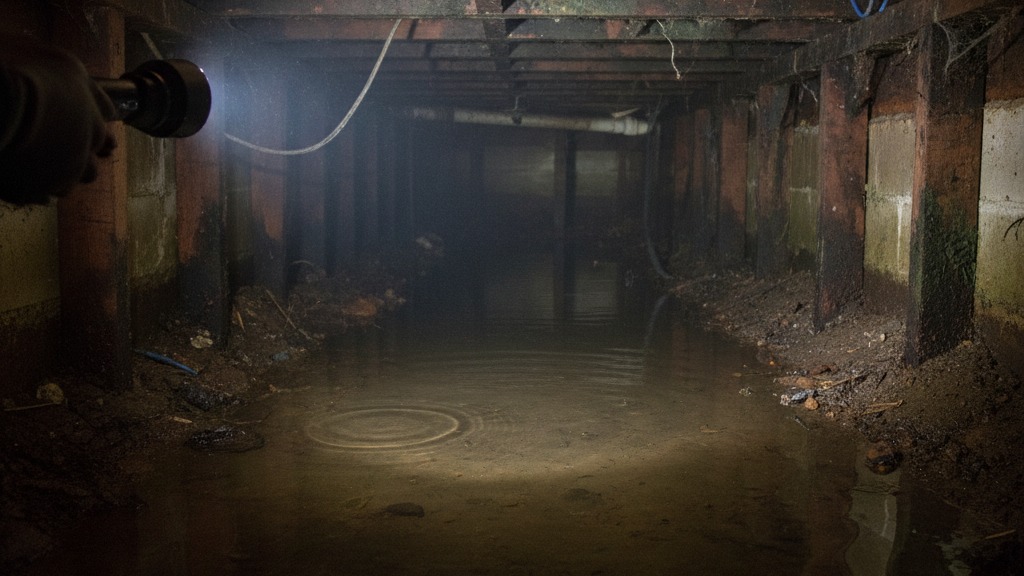
Understanding crawl space water damage is essential for homeowners facing foundation moisture issues. Crawl space moisture problems affect structural integrity, indoor air quality, and energy efficiency throughout homes. Professional assessment and restoration address both immediate crawl space water damage and implement long-term foundation moisture control solutions. Modern crawl space encapsulation techniques provide effective moisture management preventing future damage and health concerns.
Why Crawl Spaces Are Vulnerable to Water Damage
Crawl spaces face unique moisture challenges that make them particularly susceptible to crawl space water damage and ongoing crawl space moisture problems.
Below-Grade Location
Most crawl spaces sit partially or fully below exterior grade levels. This positioning makes them natural collection points for:
- Groundwater rising from high water tables
- Surface water flowing toward the foundation
- Rain runoff when drainage directs water toward the home
- Snow melt that saturates soil against foundation walls
Limited Ventilation
Crawl space ventilation is often inadequate for moisture management. Vented crawl spaces can actually draw humid outdoor air in, increasing moisture levels. Unvented crawl spaces may trap moisture with no escape path.
Earth Contact
Exposed soil floors release moisture continuously through evaporation. This constant moisture source maintains high humidity even without active water intrusion. Vapor from soil contributes significantly to crawl space moisture loads.
Common Causes of Crawl Space Water Damage
Understanding water sources in crawl space water damage situations guides both remediation and prevention strategies.
| Water Source | How It Enters | Warning Signs |
|---|---|---|
| Groundwater | Rising water table pushes through floor or walls | Seasonal water appearance, standing water without rain |
| Surface Runoff | Poor grading directs water toward foundation | Water after rain, wet soil against foundation |
| Plumbing Leaks | Supply or drain lines leak in crawl space | Isolated wet areas, water stains, dripping sounds |
| Condensation | Warm humid air meets cool surfaces | Moisture on pipes and ducts, no obvious water source |
| Vapor Transmission | Moisture evaporates from exposed soil | Persistent humidity, musty odor, no standing water |
| HVAC Issues | Condensate drain failure, duct leaks | Wet areas near HVAC equipment, water trails |
Foundation Cracks and Gaps
Settlement cracks, construction joints, and penetrations create entry points for water. As foundations age, these pathways often expand, allowing increasing water intrusion.
Drainage System Failures
Failed footer drains, clogged exterior drainage, or inadequate original drainage systems allow water to accumulate around and under foundations.
Signs of Crawl Space Water Problems
Crawl space moisture problems often manifest in the living space above before anyone inspects the crawl space itself.
Signs in Living Areas
- Musty odors: Crawl space air infiltrates living spaces through the “stack effect”
- Uneven or bouncy floors: Moisture-damaged floor joists lose structural integrity
- High indoor humidity: Crawl space moisture affects whole-house humidity
- Pest problems: Insects and rodents attracted to moist environments
- Allergies and respiratory issues: Mold growth in crawl space affects indoor air quality
- Cold floors in winter: Damaged insulation from moisture exposure
Signs in Crawl Space
- Standing water or wet soil
- Water stains on foundation walls
- Visible mold growth on wood or other surfaces
- Sagging or discolored insulation
- Wood rot or deterioration on joists and beams
- Efflorescence (white mineral deposits) on concrete
- Condensation on pipes, ducts, or surfaces
Warning: Entering crawl spaces can be hazardous. Limited access, poor air quality, potential electrical hazards, and biological contamination pose risks. Professional inspection is recommended when crawl space problems are suspected.
The Impact of Crawl Space Water Damage
Untreated crawl space water damage causes cascading damage affecting the entire home.
Structural Damage
Wood structural elements absorb moisture from humid crawl space air. Sustained moisture exposure causes:
- Wood rot weakening floor joists, beams, and sill plates
- Fungal decay accelerating structural deterioration
- Pest damage from termites and carpenter ants attracted to moist wood
- Fastener corrosion loosening structural connections
Mold Contamination
Crawl spaces provide ideal mold growth conditions: moisture, organic materials (wood, paper-backed insulation), darkness, and limited air movement. Mold contamination in crawl spaces affects indoor air quality throughout homes.
Energy Efficiency Loss
Moisture damages crawl space insulation, reducing its effectiveness. Wet fiberglass insulation loses R-value and eventually falls from joist bays. High crawl space humidity increases heating and cooling loads as conditioned air loses energy to the crawl space environment.
Indoor Air Quality
Studies show 40-50% of the air in homes enters from below—crawl spaces and basements. Contaminated crawl space air carries mold spores, bacterial growth products, and moisture into living spaces continuously.
Professional Crawl Space Water Damage Restoration
Crawl space water damage restoration requires specialized approaches addressing the unique challenges of these environments.
Assessment and Access
Professional assessment begins with thorough crawl space inspection identifying:
- Water sources and entry points
- Extent of moisture damage
- Structural concerns
- Mold contamination
- Insulation condition
- Mechanical system impacts
Access limitations often require specialized equipment and safety protocols for effective inspection.
Water Extraction
Standing water requires extraction before other remediation can proceed. Crawl space extraction uses:
- Submersible pumps for significant water volumes
- Extraction equipment adapted for low-clearance spaces
- Attention to water disposal and drainage
Structural Drying
Crawl space drying presents unique challenges:
Limited space: Standard equipment may not fit; specialized low-profile equipment may be required.
Soil moisture: Exposed soil continues releasing moisture during drying.
Ventilation complexity: Creating proper airflow in restricted spaces requires strategic equipment placement.
Professional drying monitors moisture in structural materials, ensuring complete drying before encapsulation or other finishing.
Mold Remediation
Mold contamination in crawl spaces requires remediation following established protocols:
- Containment preventing spore spread to living spaces
- HEPA air filtration throughout remediation
- Removal of heavily contaminated materials
- Surface treatment of salvageable structural elements
- Application of antimicrobial treatments
Damaged Material Removal
Materials beyond salvage require removal:
- Moisture-damaged insulation
- Rotted wood requiring structural repair
- Contaminated vapor barriers
- Failed mechanical components
Crawl Space Moisture Prevention Solutions
After restoration, preventing future crawl space moisture problems through effective foundation moisture control protects the investment in remediation.
Encapsulation
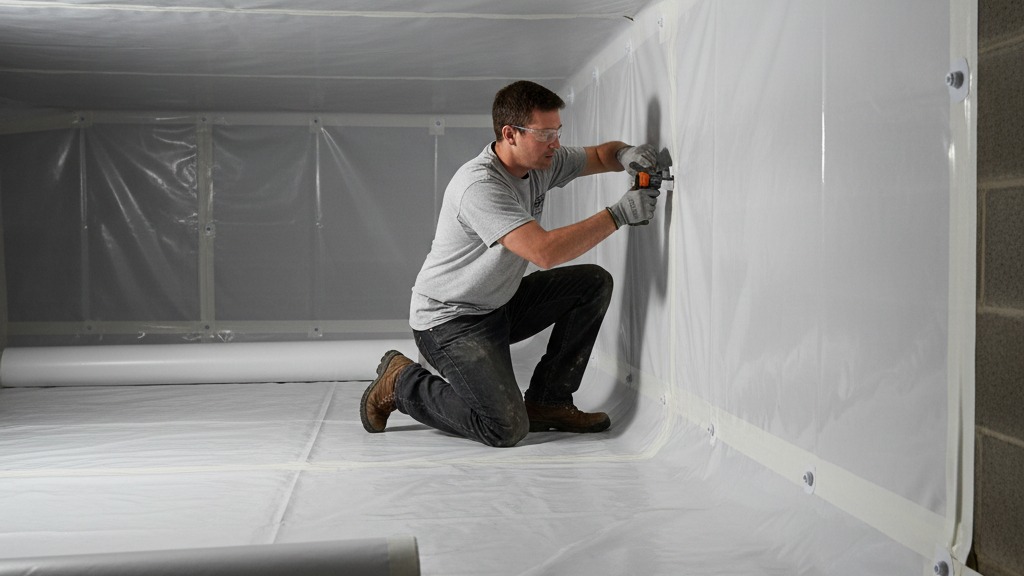
Crawl space encapsulation—sealing the crawl space from soil moisture and outside air—represents the most effective long-term moisture control:
- Heavy-duty vapor barrier: 12-20 mil polyethylene covering floor and walls
- Sealed vents: Closing exterior vents prevents humid air entry
- Sealed penetrations: Sealing around pipes and wires prevents air leaks
- Conditioned air: Supplying conditioned air or dehumidification maintains low humidity
Drainage Systems
Interior drainage systems collect water entering the crawl space and remove it:
- French drains around interior perimeter
- Sump pump systems removing collected water
- Proper discharge directing water away from foundation
Exterior Water Management
Addressing exterior water sources reduces intrusion:
- Grading corrections directing surface water away from foundation
- Gutter and downspout improvements preventing roof water concentration at foundation
- Exterior drainage improvements
Dehumidification
Commercial-grade dehumidifiers designed for crawl spaces maintain low humidity after encapsulation. These units operate continuously, maintaining conditions that prevent mold growth and structural moisture damage.
Crawl Space Insulation Considerations
Insulation approaches vary based on crawl space conditioning strategy.
Vented Crawl Spaces
Traditional vented crawl spaces insulate at the floor level, between joists. However, this approach is increasingly recognized as problematic in humid climates due to condensation and insulation damage.
Encapsulated Crawl Spaces
Encapsulated crawl spaces insulate at foundation walls rather than floors. This brings the crawl space into the building envelope, treating it as conditioned space. Crawl space encapsulation benefits include:
- Protected insulation not exposed to humidity
- More stable floor temperatures
- Protected mechanical equipment
- Improved energy efficiency
Frequently Asked Questions About Crawl Space Water Damage
How do I know if my crawl space has water damage?
+
Signs of crawl space water damage include musty odors in living spaces, high indoor humidity, bouncy or uneven floors, and pest problems. Direct inspection may reveal standing water, water stains, visible mold, sagging insulation, or wood rot. Professional inspection is recommended if you suspect problems—crawl spaces can be hazardous to enter.
Can I fix crawl space water problems myself?
+
Minor issues might be DIY-addressable, but significant crawl space water damage, mold contamination, or structural damage requires professional attention. Crawl spaces present safety hazards, and improper remediation can worsen problems. Professional assessment determines appropriate approaches for specific conditions.
Is crawl space encapsulation worth the cost?
+
For homes with persistent crawl space moisture problems, crawl space encapsulation often proves worthwhile through prevented damage, improved energy efficiency, and better indoor air quality. Homes in humid climates or with high water tables particularly benefit. Encapsulation costs less than repeated remediation and structural repairs from ongoing moisture damage.
How long does crawl space restoration take?
+
Timeline depends on damage extent and required work. Basic water extraction and drying might take 3-5 days. Adding mold remediation extends the timeline. Full encapsulation with drainage installation requires additional days. Professional assessment provides accurate timeline estimates for specific situations.
Will crawl space water damage affect my home’s value?
+
Unaddressed crawl space damage can significantly impact home value—buyers are increasingly aware of these issues and may require inspection. However, professionally remediated crawl spaces with proper foundation moisture control (like encapsulation) can actually add value by demonstrating responsible maintenance and protection against future problems.
Should I close my crawl space vents?
+
Building science research increasingly supports closed crawl spaces over vented ones in humid climates. Vented crawl spaces draw in humid air that condenses on cool surfaces, causing the moisture problems they’re supposed to prevent. Encapsulation with closed vents and dehumidification typically provides better moisture control. Consult professionals about your specific climate and conditions.
Professional Crawl Space Restoration Services
Crawl space water damage requires specialized expertise addressing both immediate water issues and long-term moisture management. Professional restoration protects structural integrity, prevents mold contamination, and improves indoor air quality throughout homes.
When crawl space problems affect properties in Northern New Jersey, Pennsylvania’s Capital Region, New York’s Hudson Valley, Connecticut’s Capital Region, or the South Jersey Shore, professional restoration teams provide comprehensive crawl space services from emergency water extraction through long-term moisture control solutions.