
Sewage Backup Prevention: Common Causes of Sewage Backups
Sewage backup prevention starts with understanding what causes backups. Effective sewage backup prevention helps target prevention efforts effectively and protects your property from costly damage.
Tree Root Intrusion
Tree roots represent the leading cause of residential sewer line damage. Roots naturally seek water sources, and sewer lines provide exactly what roots need. Small roots enter through pipe joints or cracks, then grow inside pipes, creating blockages and eventually breaking pipes completely. Understanding root intrusion is essential for proper sewer line maintenance.
Signs of root intrusion include:
- Slow drains throughout the house
- Gurgling sounds from drains
- Frequent clogs requiring professional clearing
- Wet spots or unusual growth in yard above sewer line
Pipe Deterioration
Older sewer lines made from clay, Orangeburg (compressed fiber), or cast iron deteriorate over time. Clay pipes crack and separate at joints. Orangeburg collapses. Cast iron corrodes. These failures allow soil intrusion and root penetration while reducing flow capacity. Regular maintenance prevents deterioration from compromising your sewage protection systems.
Properties with original sewer lines over 40-50 years old face elevated risk regardless of other factors. Implementing sewage backup prevention measures becomes critical for aging infrastructure.
Improper Disposal
Flushing inappropriate items creates blockages within household plumbing and main sewer lines. Common culprits include:
- Wipes (including those labeled “flushable”)
- Paper towels and tissues
- Feminine hygiene products
- Dental floss
- Cotton swabs and balls
- Hair accumulation
- Excessive toilet paper
Proper disposal practices are fundamental backup prevention tips that every household should follow for effective sewage protection.
Grease Accumulation
Cooking grease poured down drains solidifies in pipes, gradually building up until blockages form. Grease also combines with other debris, creating stubborn clogs that standard drain cleaning cannot address. Preventing grease buildup is one of the most important strategies for sewage protection.
Municipal Sewer Issues
Sometimes backups result from problems in municipal sewer systems rather than your property’s lines. Heavy rainfall overwhelming combined sewer systems, main line blockages, and system failures can cause backups into homes. While you can’t prevent municipal issues, protective devices can limit your exposure. Installing protection devices is a critical component of comprehensive sewage backup prevention.
| Backup Cause | Prevention Approach | Maintenance Frequency |
|---|---|---|
| Tree roots | Root treatment, camera inspection, pipe lining | Annual inspection, treatment as needed |
| Pipe deterioration | Professional inspection, pipe replacement/lining | Inspection every 3-5 years for older pipes |
| Improper disposal | Household education, proper disposal practices | Ongoing awareness |
| Grease | Proper grease disposal, drain maintenance | Ongoing practices, periodic drain cleaning |
| Municipal issues | Backwater valve installation | Annual valve inspection |
Preventive Maintenance Strategies
Regular sewer line maintenance significantly reduces backup risk and extends sewer system lifespan. Following these backup prevention tips ensures effective protection for your property.
Camera Inspection
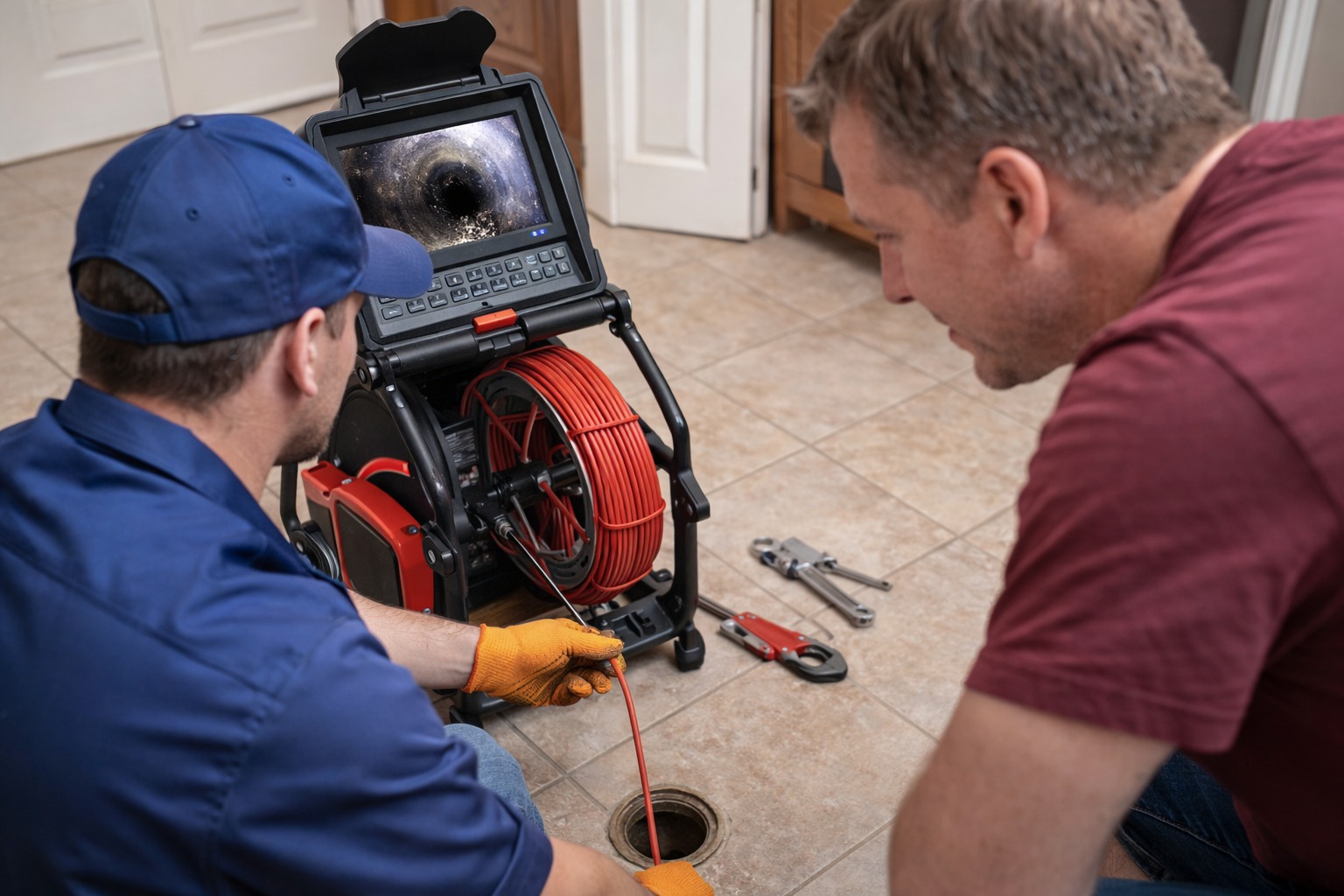
Professional camera inspection reveals sewer line condition without excavation. A small camera travels through pipes, displaying real-time video of interior conditions. Camera inspection is an essential part of sewage backup prevention. Inspections identify:
- Root intrusion extent and location
- Pipe cracks, breaks, and joint separation
- Grease and debris accumulation
- Bellied (sagging) sections holding water
- Corrosion and deterioration
Camera inspection enables targeted sewer line maintenance addressing actual problems rather than guessing about line condition. This approach saves money and prevents emergencies.
Pro Tip: Schedule camera inspection before purchasing older homes. Sewer line replacement costs thousands of dollars. Knowing line condition before purchase enables informed decisions and negotiation. This is one of the most valuable strategies for homebuyers seeking sewage protection.
Professional Drain Cleaning
Periodic professional drain cleaning removes accumulations before they cause complete blockages. Hydro-jetting uses high-pressure water to scour pipe interiors, removing grease, roots, and debris more effectively than mechanical cleaning alone. Regular drain cleaning is fundamental to sewage backup prevention.
Annual cleaning for properties with history of problems or every 2-3 years for maintenance purposes prevents many backup scenarios. This proactive approach to sewage protection delivers long-term benefits.
Root Treatment
For properties with tree root issues, chemical root treatment kills roots inside pipes without harming trees. Copper sulfate and root-killing foams create hostile environments for root growth. Regular treatment prevents recurring root blockages between more thorough cleanings. Root treatment is a key element of sewer line maintenance strategies.
Grease Trap Maintenance
Commercial properties and some residential kitchens benefit from grease traps that capture grease before it enters drain lines. Regular cleaning prevents trap overflow and maintains effectiveness. Grease trap maintenance supports overall sewage backup prevention efforts.
Protective Devices
Installing protective devices provides additional defense against sewage backups. These sewage protection systems are essential for comprehensive maintenance.
Backwater Valves
Backwater valves (or backflow prevention valves) install in the main sewer line, allowing flow out while preventing backflow into your home. During municipal sewer overloads or main line blockages, valves close automatically, keeping sewage in the municipal system rather than your basement. Backwater valves represent the gold standard in sewage protection and prevention technology.
Backwater valves are particularly valuable for:
- Properties in flood-prone areas
- Basements below street level
- Areas with aging municipal infrastructure
- Properties with combined storm/sanitary sewers
Some insurance companies offer premium discounts for homes with backwater valves installed. This investment pays dividends through sewage backup prevention and reduced insurance costs.
Sump Pumps
Sump pumps remove groundwater before it causes problems, but they also serve as secondary defense against some backup scenarios. Battery backup sump pumps continue operating during power outages when sewage backups are more likely. Sump pumps complement your protection systems.
Sewage Ejector Pumps
Below-grade fixtures like basement bathrooms rely on sewage ejector pumps to lift waste to main sewer lines. Proper maintenance of these pumps prevents failures that cause localized backups. Ejector pump maintenance is an important aspect of sewer line maintenance.
Proper Disposal Practices
Daily habits significantly impact backup risk. Establishing proper disposal practices throughout your household prevents many clog-related backups. These simple practices form the foundation of effective sewage protection.
Toilet Disposal Rules
Toilets should receive only:
- Human waste
- Toilet paper (reasonable amounts)
Everything else belongs in the trash, including “flushable” wipes that don’t break down like toilet paper. Following these disposal rules is critical for prevention.
Kitchen Disposal Practices
Never pour down drains:
- Cooking oil and grease
- Coffee grounds
- Food scraps
- Flour or starchy substances
Better alternatives:
- Collect grease in containers for trash disposal
- Wipe greasy pans before washing
- Use garbage disposal appropriately with running water
- Compost food scraps
These kitchen practices are essential backup prevention tips for maintaining protection.
Bathroom Practices
Beyond toilet rules, bathroom drain care includes:
- Using drain screens to catch hair
- Cleaning drain screens regularly
- Avoiding chemical drain cleaners that damage pipes
Proper bathroom maintenance supports your overall sewage backup prevention strategy.
Warning Signs Requiring Attention
Recognizing early warning signs enables intervention before complete backups occur. Responding to warning signs promptly is one of the most important strategies for maintaining sewage protection.
Immediate Attention Needed
- Sewage odors from drains or yard
- Multiple fixtures draining slowly simultaneously
- Water backing up from drains when using other fixtures
- Gurgling sounds from toilets or drains
These signs indicate your systems need immediate professional attention and sewer line maintenance.
Schedule Inspection Soon
- Single drain draining slowly (may indicate local clog vs. main line)
- Recurring clogs requiring frequent clearing
- Increased water bills without explanation
- Wet spots in yard near sewer line
Addressing these issues through proper maintenance prevents future emergencies.
Long-term Concerns
- Trees planted near sewer lines
- Older pipes never inspected
- Property in area with frequent municipal backups
Long-term planning for sewage protection includes addressing these concerns through comprehensive strategies.
When Backups Occur Despite Prevention
Even with excellent sewage backup prevention measures, backups can occur. Knowing proper response minimizes damage and health risks. Having an emergency plan complements your protection and maintenance programs.
Immediate Response
- Stop using all water fixtures immediately
- Keep people and pets away from affected areas
- Turn off HVAC to prevent contamination spread
- Open windows for ventilation if safe
- Don’t touch contaminated areas without protection
Contact Professionals
Sewage cleanup requires professional intervention due to health hazards. Contact 24/7 emergency services immediately. Don’t attempt DIY cleanup of sewage contamination. Professional restoration complements your ongoing maintenance efforts.
Document for Insurance
Photograph contamination extent for insurance documentation before any cleanup begins.
Frequently Asked Questions About Sewage Backup Prevention
How often should I have my sewer line inspected?
+
Do flushable wipes really cause problems?
+
Will insurance cover sewage backup damage?
+
How much does a backwater valve cost to install?
+
Protect Your Property from Sewage Backups
Sewage backup prevention through proper maintenance, protective devices, and good disposal practices significantly reduces risk. The investment in prevention is minor compared to the costs and health risks of actual sewage emergencies. Implementing these strategies ensures comprehensive sewage protection for your property.
For properties in Northern New Jersey, Pennsylvania’s Capital Region, New York’s Hudson Valley, Connecticut’s Capital Region, or the South Jersey Shore, professional restoration services provide rapid emergency response when backups occur while helping property owners implement effective strategies and programs.