
Understanding Wind Damage Patterns
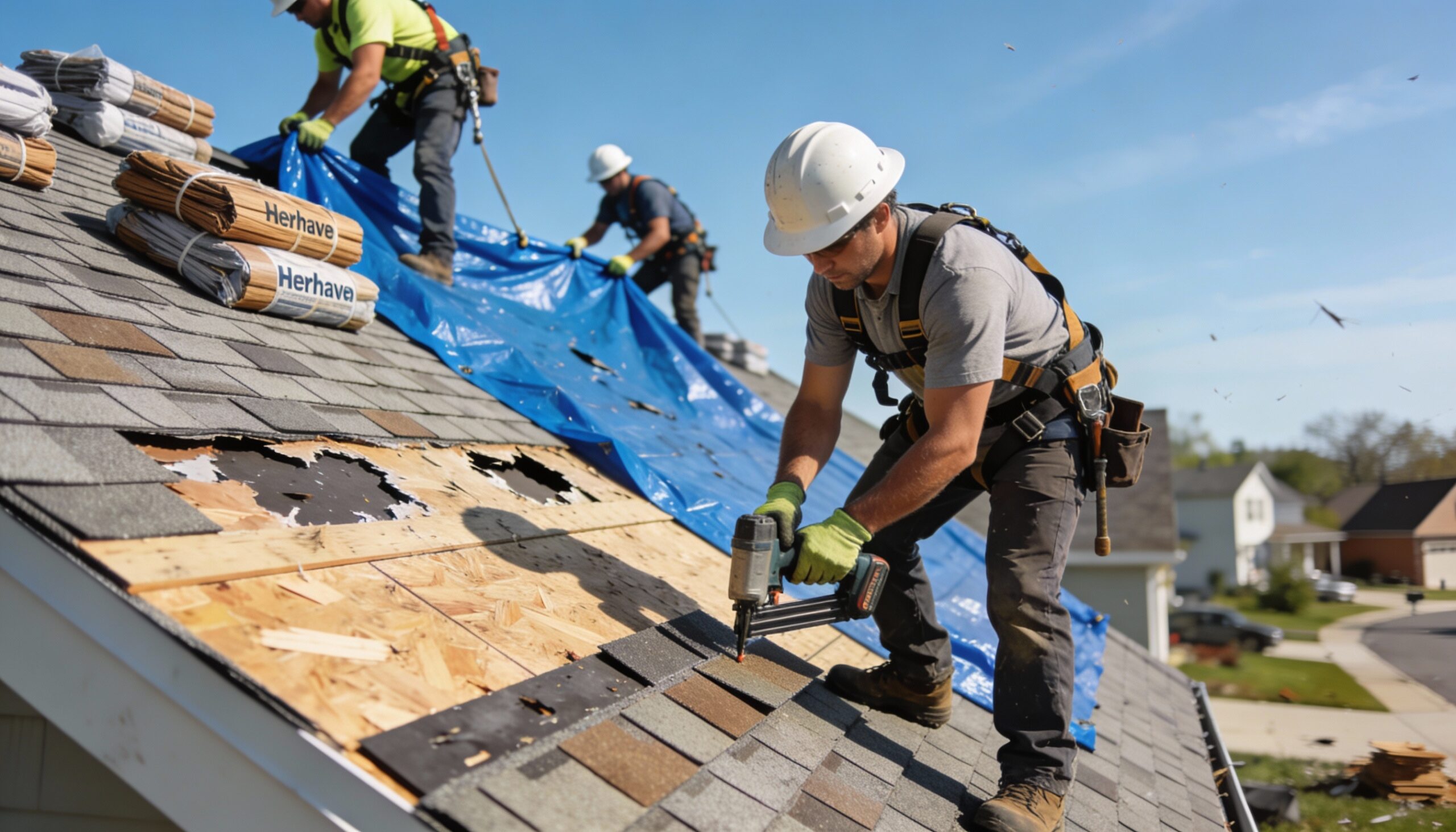
Wind damages properties through multiple mechanisms, each creating distinct damage patterns that directly influence the scope, materials, and methods required for effective wind damage repair. From uplift forces that compromise roofing systems to wind-driven debris that fractures siding, windows, and structural components, understanding how wind impacts a property is essential for developing targeted, long-lasting repair solutions.
Direct Wind Pressure
Sustained high winds exert tremendous pressure on building surfaces. Walls, roofs, and windows experience forces that can exceed design specifications during severe weather. This pressure causes:
- Roofing material lifting and removal
- Siding detachment
- Window breakage from flexing
- Structural movement and connection failures
- Garage door failures
Negative Pressure (Uplift)
Wind flowing over roof surfaces creates negative pressure that lifts roofing materials. This uplift force often exceeds direct pressure effects, explaining why roof damage is common even in moderate wind events. Uplift affects:
- Shingle and tile lifting
- Flashing separation
- Soffit and fascia damage
- Complete roof section failure in extreme events
Wind-Driven Debris
Objects propelled by wind cause impact damage throughout properties. Tree branches, roofing materials from other structures, outdoor furniture, and countless other items become projectiles. Debris damage includes:
- Broken windows and doors
- Roof and siding penetrations
- Vehicle damage
- Impact damage to any exterior surface
Fallen Trees and Branches
Tree damage often causes the most severe wind damage to properties. Complete tree falls, major branch failures, and root system upheaval create structural damage requiring significant repair.
| Wind Speed | Classification | Typical Damage |
|---|---|---|
| 40-57 mph | Strong | Minor roof damage, broken branches, loose items displaced |
| 58-74 mph | Damaging | Significant roof damage, siding loss, tree damage, broken windows |
| 75-95 mph | Destructive | Major roof damage, structural damage, widespread tree falls |
| 96+ mph | Devastating | Complete roof failures, structural collapses, catastrophic damage |
Assessing Wind Damage
Thorough assessment identifies all wind damage, including issues that aren’t immediately obvious but will cause problems if left unaddressed.
Roof Assessment
Roofs take the brunt of wind damage and require careful evaluation:
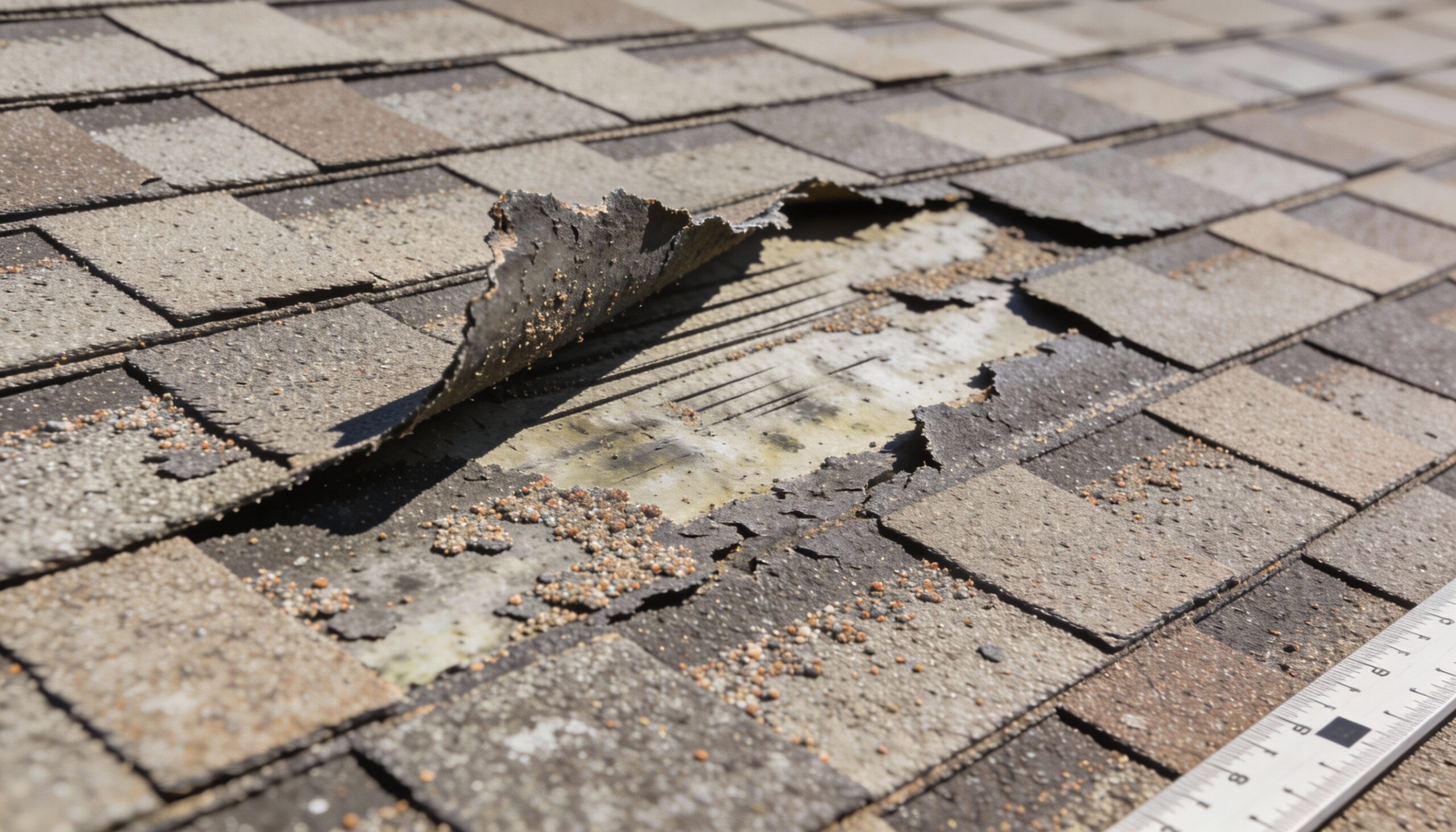
Shingle damage: Missing, lifted, cracked, or creased shingles compromise waterproofing. Wind creates characteristic patterns including shingles lifted at one edge, complete shingle loss, and creasing across shingle surfaces.
Flashing integrity: Wind separates flashing from roof surfaces, creating water entry points around chimneys, vents, valleys, and edges.
Structural assessment: Severe wind can damage roof framing, requiring inspection of trusses, rafters, and connections from inside attic spaces.
Pro Tip: Professional roof inspections following significant wind events identify damage that ground-level observation misses. Even if no obvious damage is visible, professional assessment provides documentation for insurance and peace of mind about roof integrity.
Exterior Assessment
Siding: Check for loose, cracked, or missing siding panels. Wind penetrates behind siding, loosening fasteners and creating moisture entry points.
Windows and doors: Check glass integrity, frame damage, and seal condition. Wind flexing can break seals even without visible glass damage.
Gutters and downspouts: Wind detaches gutters and bends components. Damaged gutters direct water toward foundations rather than away.
Fencing and outbuildings: Evaluate damage to all exterior structures, documenting for insurance claims.
Structural Assessment
Interior inspection reveals structural concerns:
- New cracks in walls or ceilings indicating framing movement
- Doors and windows that no longer close properly
- Visible daylight through walls or roof
- Signs of water intrusion from wind-driven rain
- Foundation connection concerns in severe events
Emergency Response to Wind Damage
Immediate actions following wind damage prevent additional losses and protect safety.
Safety First
Electrical hazards: Downed power lines and damaged electrical systems create serious risks. Keep away from any downed wires and consider shutting off power if system damage is suspected.
Structural stability: Avoid areas where structural failure may occur. Obvious structural damage warrants professional evaluation before entry.
Falling hazards: Damaged roofs, trees, and loose materials may continue falling. Secure areas before cleanup begins.
Preventing Additional Damage
Emergency board-up: Professional board-up services secure openings preventing water intrusion and providing security.
Emergency tarping: Roof damage requires immediate protection from precipitation. Professional tarping extends beyond damage areas, properly weighted and secured.
Water extraction: If wind-driven rain entered the structure, water extraction and drying prevents mold development.
Documentation
Document all damage before repairs begin:
- Photograph damage from multiple angles
- Video walk-throughs capturing comprehensive damage
- Save weather reports documenting the storm event
- List damaged items for contents claims
- Maintain all receipts for emergency repairs
Wind Damage Repair Process
Professional wind damage repair proceeds systematically from emergency stabilization through complete restoration.
Roof Repairs
Roof repair scope depends on damage extent:
Minor repairs: Replacing missing shingles, resealing flashing, addressing isolated damage points.
Section replacement: Larger damaged areas may require replacing complete roof sections while preserving undamaged areas.
Complete replacement: Extensive damage or aged roofing beyond repair may require full roof replacement. This decision considers damage extent, roof age, and cost-effectiveness of repair versus replacement.
Quality roof repairs use materials matching existing roofing or, if unavailable, coordinating with insurance for appropriate alternatives.
Siding Repairs
Siding repairs address both weather protection and appearance:
Panel replacement: Individual damaged panels can often be replaced while preserving surrounding siding.
Color matching: Weathering affects siding color over time. New panels may not perfectly match existing siding, requiring discussion with adjusters about appropriate solutions.
Moisture investigation: Before new siding installation, inspect underlying sheathing and insulation for wind-driven moisture damage.
Window and Door Repairs
Damaged windows and doors require professional replacement:
- Glass replacement in otherwise intact frames
- Complete unit replacement when frames are damaged
- Hardware replacement and adjustment
- Weatherstripping and seal restoration
Structural Repairs
Structural wind damage requires engineering evaluation and professional repair:
Connection repairs: Re-securing roof-to-wall, wall-to-foundation, and other structural connections.
Framing repairs: Replacing or reinforcing damaged framing members.
Foundation concerns: Addressing any foundation movement or connection damage.
Interior Repairs
Wind-driven rain and roof failures cause interior damage requiring:
- Water damage restoration and drying
- Drywall repair or replacement
- Insulation replacement
- Ceiling repairs
- Flooring restoration or replacement
- Painting and finishing
Insurance Claims for Wind Damage
Wind damage is typically covered under standard homeowner policies, but navigating claims effectively maximizes recovery.
Filing Your Claim
- Report damage promptly to your insurance company
- Document damage thoroughly before emergency repairs
- Keep receipts for all emergency mitigation expenses
- Don’t discard damaged materials until adjuster inspection
Working with Adjusters
Insurance adjusters evaluate claims and determine coverage:
- Be present during adjuster inspections when possible
- Point out all damage, including less obvious issues
- Request professional inspections if adjuster misses damage
- Provide documentation supporting your claim
Understanding Your Coverage
Review your policy understanding:
- Dwelling coverage limits
- Wind/hail deductible (often percentage-based)
- Personal property coverage
- Additional living expenses if displacement is necessary
- Exclusions that may apply
Preventing Future Wind Damage
Property improvements reduce wind damage vulnerability:
Roof Improvements
- Impact-resistant shingles rated for high winds
- Proper nail patterns and enhanced fastening
- Secondary water barriers beneath roofing
- Sealed roof deck systems
Opening Protection
- Impact-resistant windows or storm shutters
- Reinforced garage doors rated for wind pressure
- Fortified entry doors
Structural Reinforcement
- Hurricane straps connecting roof to walls
- Foundation anchoring systems
- Gable end bracing
Property Maintenance
- Regular tree trimming removing hazardous branches
- Removing dead or dying trees near structures
- Securing outdoor items before storms
- Maintaining roof and exterior condition
Frequently Asked Questions About Wind Damage Repair
How quickly should I address wind damage?
+
Address wind damage immediately when it creates openings allowing water intrusion. Emergency tarping and board-up should occur within hours. Permanent repairs should begin as soon as possible but may be scheduled based on contractor availability and material access. Document damage promptly even if repairs must wait.
Should I get a professional roof inspection after every wind storm?
+
Professional inspection is recommended after any storm with winds exceeding 50-60 mph or following visible damage, falling debris, or nearby tree failures. Many professionals offer free storm damage inspections. The documentation provides peace of mind and supports any future insurance claims.
Will my insurance cover all wind damage repairs?
+
Coverage depends on your specific policy, deductibles, and damage scope. Most standard homeowner policies cover wind damage. Wind/hail deductibles are often percentage-based (1-5% of dwelling coverage), which can be substantial. Review your policy and discuss coverage specifics with your insurance representative.
Can I make temporary repairs before the insurance adjuster arrives?
+
Yes, and you should make reasonable temporary repairs preventing additional damage. Document all damage thoroughly before repairs. Keep receipts for emergency repairs. Emergency mitigation costs are typically covered separately from your deductible. Don’t make permanent repairs until the adjuster has inspected.
How long does wind damage repair typically take?
+
Timeline varies dramatically based on damage extent. Minor repairs may complete in days. Major repairs involving roofing, structural work, and interior restoration may take weeks or months. Following widespread storm events, contractor availability and material supply may extend timelines. Your restoration provider can estimate based on your specific situation.
Get Professional Wind Damage Repair Services
Wind damage requires prompt professional response to prevent secondary damage and restore property safety. From emergency tarping through complete restoration, experienced professionals protect your property and guide effective recovery.
When wind damages your property in Northern New Jersey, Pennsylvania’s Capital Region, New York’s Hudson Valley, Connecticut’s Capital Region, or the South Jersey Shore, 24/7 emergency services provide rapid response protecting your property from further damage while beginning comprehensive restoration.