
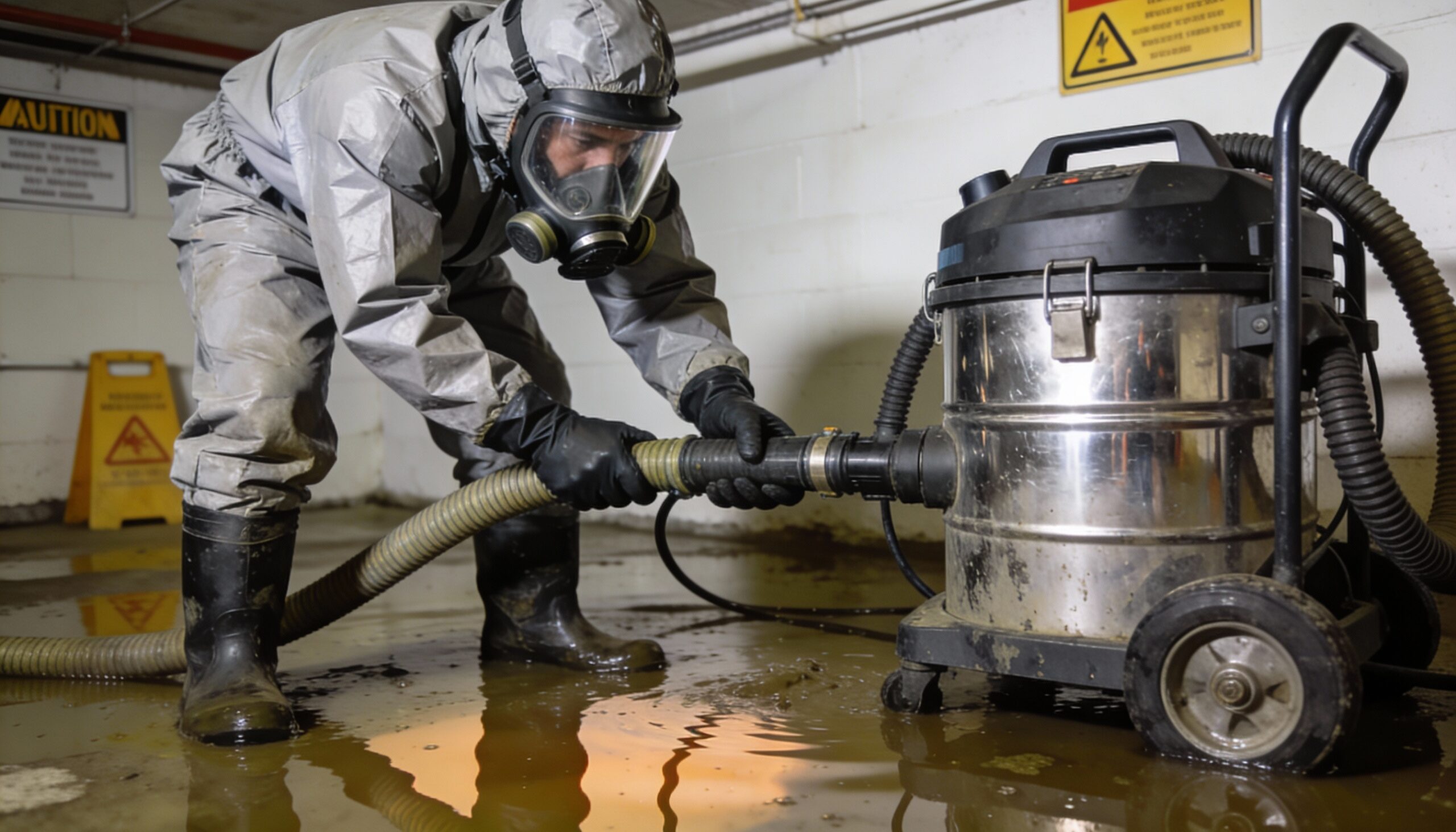
Understanding Sewage Contamination Health Risks Categories
The restoration industry categorizes water contamination based on hazard level. Sewage represents Category 3 water, the most hazardous classification requiring the most stringent cleanup protocols.
| Category | Description | Examples | Health Risk Level |
|---|---|---|---|
| Category 1 | Clean water | Broken supply lines, faucets | Low (initially) |
| Category 2 | Gray water with some contamination | Washing machine discharge, dishwasher overflow | Moderate |
| Category 3 | Black water with severe contamination | Sewage backups, toilet overflows, floodwater | High |
Important to note: contamination categories can escalate over time. Category 1 water left standing becomes Category 2 within 24-48 hours as bacteria multiply. Category 2 can progress to Category 3 with extended time. This progression underscores why prompt professional response matters for all water damage.
Pathogens Found in Sewage
Sewage contains diverse pathogens capable of causing serious illness. These organisms survive for varying periods in contaminated materials, presenting ongoing hazards until professional decontamination removes them.
Bacteria
E. coli: Causes severe gastrointestinal illness including bloody diarrhea, vomiting, and potentially life-threatening kidney complications. Some strains cause particularly severe illness.
Salmonella: Causes salmonellosis with symptoms including diarrhea, fever, and abdominal cramps. Illness can be severe in young children, elderly, and immunocompromised individuals.
Campylobacter: One of the most common bacterial causes of diarrheal illness. Causes bloody diarrhea, cramping, and fever lasting up to a week.
Shigella: Causes shigellosis (bacillary dysentery) with bloody diarrhea, fever, and stomach cramps. Highly contagious with very low infectious dose.
Leptospira: Causes leptospirosis, which can progress to kidney damage, meningitis, liver failure, and respiratory distress if untreated.
Viruses
Norovirus: Extremely contagious cause of gastroenteritis. Causes vomiting and diarrhea, spreading easily between people and through contaminated surfaces.
Hepatitis A: Causes liver infection with symptoms including fatigue, nausea, abdominal pain, and jaundice. Can cause serious illness lasting months.
Rotavirus: Common cause of severe diarrhea in children. Can cause dangerous dehydration requiring medical treatment.
Adenovirus: Various strains cause respiratory illness, gastroenteritis, and other infections. Survives well on surfaces.
Parasites
Giardia: Causes giardiasis with diarrhea, gas, greasy stools, and stomach cramps. Infection can become chronic without treatment.
Cryptosporidium: Causes cryptosporidiosis with watery diarrhea, stomach cramps, and dehydration. Particularly dangerous for immunocompromised individuals. Resistant to chlorine disinfection.
Roundworms and hookworms: Intestinal parasites that can cause various symptoms including abdominal pain, anemia, and malnutrition.
Warning: Many sewage-borne pathogens have very low infectious doses, meaning even minor exposure can cause illness. Visible contact isn’t required; handling contaminated materials, breathing contaminated air, or touching contaminated surfaces can transmit disease.
Routes of Exposure
Sewage pathogens reach humans through multiple pathways. Understanding exposure routes highlights why comprehensive decontamination addresses all contaminated surfaces and materials.
Direct Contact
Touching sewage-contaminated materials transfers pathogens to skin. Subsequent hand-to-mouth contact (eating, touching face) introduces organisms into the body. Even handling seemingly dry contaminated materials poses risk as pathogens survive in dried residue.
Ingestion
Accidental ingestion during cleanup or from contaminated food and water causes infection. Foods exposed to sewage contamination must be discarded. Contaminated water sources require professional treatment before use.
Inhalation
Sewage releases gases and aerosolized particles containing pathogens and toxic compounds. Hydrogen sulfide gas produces the characteristic sewage odor and causes respiratory irritation at low concentrations, serious health effects at higher levels. Disturbing dried contamination can aerosolize pathogens.
Wound Contamination
Open wounds exposed to sewage face severe infection risk. Even minor cuts or scrapes can become seriously infected when exposed to sewage-contaminated materials or water.
Symptoms Requiring Medical Attention
Anyone exposed to sewage contamination who develops symptoms should seek medical attention. Early treatment prevents complications from sewage-borne infections.
Gastrointestinal Symptoms
- Severe or bloody diarrhea
- Persistent vomiting
- Abdominal pain or cramping
- Signs of dehydration
Systemic Symptoms
- High fever
- Jaundice (yellowing of skin or eyes)
- Severe headache or neck stiffness
- Muscle aches
- Extreme fatigue
Respiratory Symptoms
- Difficulty breathing
- Persistent cough
- Chest pain
Skin Symptoms
- Rash or skin irritation after exposure
- Signs of wound infection (redness, swelling, pus)
Inform healthcare providers about sewage exposure so they can consider appropriate testing and treatment for sewage-borne pathogens.
Vulnerable Populations
Certain groups face elevated risks from sewage exposure and should evacuate contaminated properties immediately, avoiding any exposure during cleanup.
- Infants and young children – immature immune systems, hand-to-mouth behaviors
- Elderly individuals – weakened immunity, higher complication rates
- Pregnant women – risk to both mother and developing fetus
- Immunocompromised individuals – HIV/AIDS, chemotherapy patients, transplant recipients
- People with chronic illnesses – diabetes, kidney disease, liver disease
- People with open wounds – infection risk from wound exposure
Why Professional Sewage Cleanup Is Essential
The serious health hazards in sewage contamination demand professional remediation. DIY cleanup attempts expose individuals to dangerous pathogens while typically failing to achieve complete decontamination.
Proper Protective Equipment
Professional sewage cleanup requires PPE that most property owners don’t possess:
- Full-face respirators protecting against gases and bioaerosols
- Impermeable protective suits preventing skin contact
- Double-layer chemical-resistant gloves
- Waterproof boots that can be decontaminated
- Eye protection preventing splash exposure
Consumer-grade masks and gloves provide inadequate protection against sewage hazards. Standard surgical masks don’t protect against sewage gases or airborne pathogens.
Complete Material Removal
Sewage penetrates porous materials that surface cleaning cannot adequately address. Professional remediation removes contaminated materials including:
- Carpet, pad, and often subfloor sections
- Lower portions of drywall (typically 12-24 inches above contamination level)
- Contaminated insulation in walls and beneath floors
- Porous furniture and belongings that absorbed contamination
Attempting to save heavily contaminated porous materials risks ongoing pathogen presence and exposure.
Effective Disinfection
Following material removal, professional disinfection uses EPA-registered products proven effective against sewage pathogens. Consumer cleaning products typically lack the kill claims and application protocols needed for sewage decontamination.
Proper disinfection requires appropriate product selection, correct concentration, adequate dwell time, and complete surface coverage. Professional technicians understand and follow these requirements.
Structural Drying
After decontamination, affected areas require thorough drying to prevent mold growth. Sewage creates conditions highly favorable to mold establishment, compounding contamination problems if drying is inadequate.
The Professional Sewage Cleanup Process
Understanding professional sewage remediation helps property owners know what proper cleanup involves and recognize complete versus incomplete work.
Safety Assessment
Cleanup begins with safety assessment identifying electrical hazards, gas line concerns, structural stability issues, and contamination extent. Utilities may require shutoff before work proceeds. Assessment determines appropriate PPE levels and cleanup scope.
Extraction
Standing sewage is extracted using commercial equipment designed for contaminated water. Extraction equipment and operators follow protocols preventing cross-contamination during water removal.
Material Removal
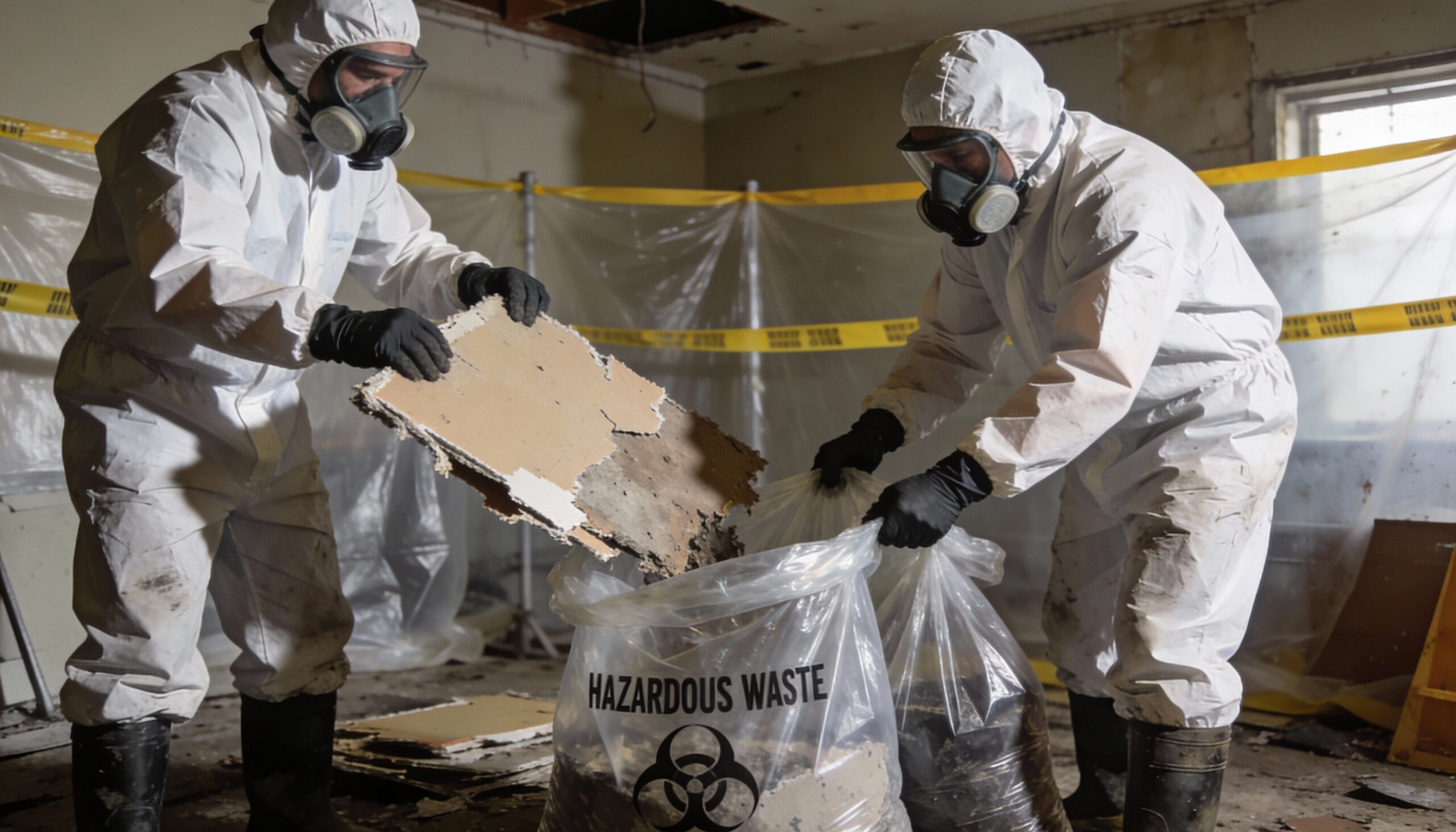
Contaminated porous materials are removed, bagged, and disposed of as contaminated waste. Removal extends above the highest contamination point to ensure complete contamination elimination.
Cleaning and Disinfection
Remaining structural surfaces receive thorough cleaning followed by disinfectant application. Multiple cleaning passes may be necessary for heavy contamination. Disinfectant products and protocols match contamination severity.
Drying
Professional drying equipment removes moisture from structural materials. Monitoring ensures complete drying before reconstruction begins.
Reconstruction
Removed materials are replaced following decontamination. New drywall, flooring, insulation, and other materials restore the property to pre-loss condition.
Preventing Sewage Backups
While professional cleanup addresses contamination after it occurs, prevention avoids the health risks and property damage sewage backups cause.
Maintenance Strategies
- Sewer line inspection: Professional camera inspection identifies developing problems before backups occur
- Tree root management: Roots infiltrating sewer lines cause most residential backups
- Backflow prevention: Backwater valves prevent municipal system backups from entering your property
- Proper disposal practices: Avoid flushing items that cause blockages
- Grease trap maintenance: Proper grease handling prevents kitchen drain blockages
Warning Signs of Developing Problems
- Slow drains throughout the property
- Gurgling sounds from drains
- Sewage odors from drains
- Multiple fixture backups simultaneously
- Wet spots in yard above sewer line
Addressing warning signs promptly often prevents full backups and the associated contamination and cleanup requirements.
Frequently Asked Questions About Sewage Contamination
How dangerous is brief exposure to sewage?
+
Even brief exposure carries infection risk because many sewage pathogens have very low infectious doses. A few organisms can cause illness. While longer exposure increases risk, any contact with sewage contamination warrants caution. Monitor for symptoms after any exposure and seek medical attention if symptoms develop.
Can I clean up a small toilet overflow myself?
+
Very small toilet overflows limited to hard floors may be manageable with proper precautions: rubber gloves, eye protection, thorough cleaning with appropriate disinfectant, and careful disposal of contaminated materials. However, any overflow contacting carpet, drywall, or other porous materials typically requires professional remediation for complete decontamination.
How long do sewage pathogens survive in my home?
+
Survival varies by organism and conditions. Many bacteria survive days to weeks in moist environments. Viruses like Hepatitis A can survive months on surfaces. Parasite cysts like Cryptosporidium are extremely persistent. Until professional decontamination is complete, assume pathogens remain viable and hazardous.
Is it safe to be in my home during sewage cleanup?
+
Evacuation is typically recommended during sewage cleanup, especially for children, elderly, or immunocompromised household members. Even with professional containment, some exposure risk exists. Your remediation provider will advise based on contamination extent and your household circumstances.
Will my homeowner’s insurance cover sewage cleanup?
+
Coverage depends on your policy and backup cause. Many policies cover sewage backups from internal plumbing failures. Municipal sewer system backups may require separate endorsements. Flood-related sewage typically requires flood insurance. Check your specific policy for sewage backup coverage and consider adding coverage if you don’t have it.
How do I know if sewage cleanup was done correctly?
+
Proper cleanup includes complete removal of contaminated porous materials, thorough disinfection of remaining surfaces, and verified drying. No sewage odor should remain. Professional cleanup provides documentation of work performed. Post-remediation testing can verify successful decontamination if concerns exist.
Get Professional Sewage Contamination Cleanup
Sewage contamination poses serious health risks requiring professional remediation for safe, complete resolution. The pathogens in sewage can cause severe illness, making proper cleanup essential for occupant health protection.
When sewage affects your property in Northern New Jersey, Pennsylvania’s Capital Region, New York’s Hudson Valley, Connecticut’s Capital Region, or the South Jersey Shore, 24/7 emergency services provide rapid response with proper equipment and protocols to protect your health and restore your property safely.