
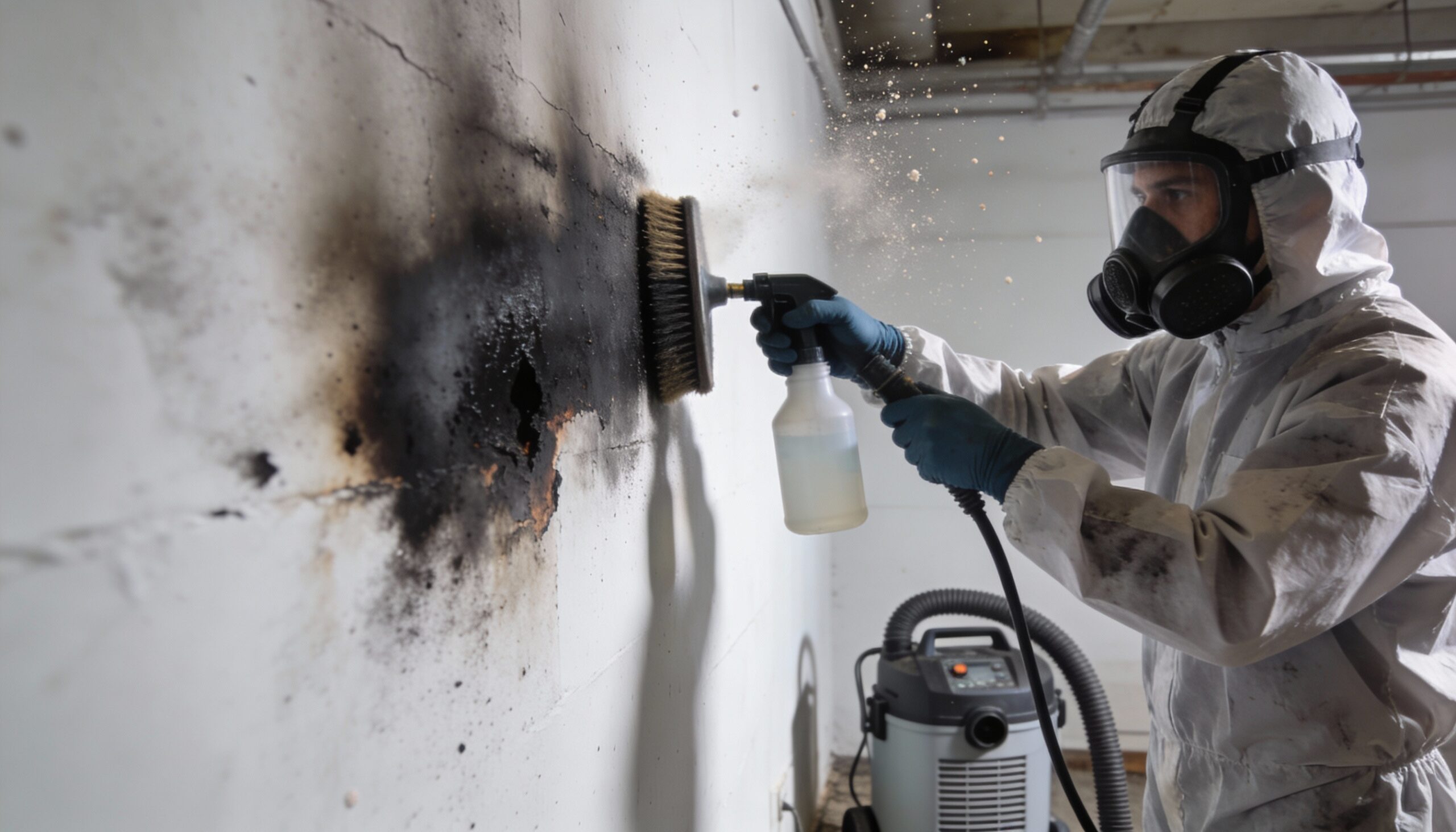
Understanding Smoke and Soot Damage
Smoke and soot are byproducts of incomplete combustion, carrying carbon particles, chemicals, and toxic compounds throughout fire-affected structures. Different materials produce distinct smoke types, each requiring specific cleaning approaches. Understanding these variations helps explain why professional smoke removal involves multiple techniques rather than one-size-fits-all solutions.
Soot particles measure mere microns in diameter, smaller than the thickness of a human hair. These microscopic particles penetrate porous surfaces, embed in textiles, and travel through HVAC systems to contaminate areas untouched by flames. Professional smoke damage restoration addresses contamination throughout the entire structure, not just visibly affected areas.
| Smoke Type | Characteristics | Common Sources | Cleaning Challenges |
|---|---|---|---|
| Dry Smoke | Powdery, fine particles | Paper, wood burning at high temperatures | Easily distributed but relatively easy to clean |
| Wet Smoke | Sticky, smearing residue | Plastics, rubber, low-temperature fires | Difficult to clean, strong odor, smears easily |
| Protein Smoke | Nearly invisible, pungent odor | Kitchen fires, organic materials | Discolors paints and varnishes, strong persistent odor |
| Fuel/Oil Smoke | Dense, sticky black residue | Furnace malfunctions, petroleum products | Requires specialized solvents, very difficult removal |
The timing of smoke and soot removal significantly impacts restoration outcomes. Within hours, acidic soot begins etching into glass, metal, and porous surfaces. Within days, permanent discoloration develops on walls, fixtures, and furnishings. Within weeks, structural damage from corrosion may become irreversible. This progression underscores why immediate professional response matters.
Health Hazards of Smoke and Soot Exposure
Smoke residue poses serious health risks that extend beyond unpleasant odors. Soot particles contain carcinogens, heavy metals, and toxic chemicals that cause respiratory problems, skin irritation, and long-term health complications. Professional smoke and soot removal protects occupants from these ongoing hazards.
Inhaling soot particles irritates airways and exacerbates asthma, bronchitis, and other respiratory conditions. Fine particles penetrate deep into lungs, causing inflammation that may persist long after visible residue disappears. Children, elderly individuals, and those with existing respiratory conditions face elevated risks from smoke exposure.
Warning: Never occupy a fire-damaged property until professional smoke removal and air quality testing confirm safe conditions. Visible cleanliness does not indicate air safety, as microscopic particles and gases may remain hazardous even after surface cleaning.
Toxic Compounds in Smoke Residue
- Carbon monoxide and dioxide – produced by all fires, potentially fatal at high concentrations
- Hydrogen cyanide – released when plastics, wool, silk, and synthetic materials burn
- Formaldehyde – common in smoke from building materials and furnishings
- Polycyclic aromatic hydrocarbons (PAHs) – known carcinogens present in most fire smoke
- Heavy metals – from painted surfaces, electronics, and certain building materials
- Volatile organic compounds (VOCs) – released during and after fires from synthetic materials
Professional Smoke and Soot Removal Process
Professional smoke removal follows systematic protocols developed through decades of industry experience. These established procedures ensure thorough contamination removal while protecting salvageable materials and contents from further damage during cleaning.
Initial Assessment and Documentation
Smoke damage restoration begins with comprehensive assessment of contamination extent and type. Technicians evaluate smoke patterns, identify affected materials, and determine appropriate cleaning methods for each surface type. This assessment also documents conditions for insurance purposes.
Assessment includes air quality testing to measure particulate levels and identify specific contaminants present. These measurements guide both cleaning approaches and determine when property is safe for reoccupancy. Professional documentation supports insurance claims with objective evidence of damage extent.
Emergency Stabilization
Before detailed cleaning begins, technicians take steps to prevent ongoing damage. Ventilation systems are shut down to prevent further smoke distribution. Board-up services secure the property if structural damage exists. Humidity control prevents moisture-related complications in fire-suppression-wet areas.
HVAC systems receive particular attention because ductwork distributes smoke throughout structures. Contaminated air handlers can recontaminate cleaned areas if not properly addressed. Professional stabilization prevents this cycle of ongoing contamination.
Content Evaluation and Pack-Out
Salvageable contents require removal before structural cleaning proceeds. Professional contents cleaning specialists evaluate each item for restoration potential, separating salvageable belongings from items beyond economical repair. This process protects your possessions while enabling thorough structural cleaning.
Pack-out services transport salvageable items to climate-controlled facilities for specialized cleaning. Professional content restoration employs techniques unavailable for on-site cleaning, including ultrasonic cleaning for hard goods, ozone treatment for odor removal, and specialized textile processing.
Structural Smoke Removal Techniques
Different surfaces require specific smoke removal approaches. Professional restoration combines multiple techniques to address every contaminated surface effectively.
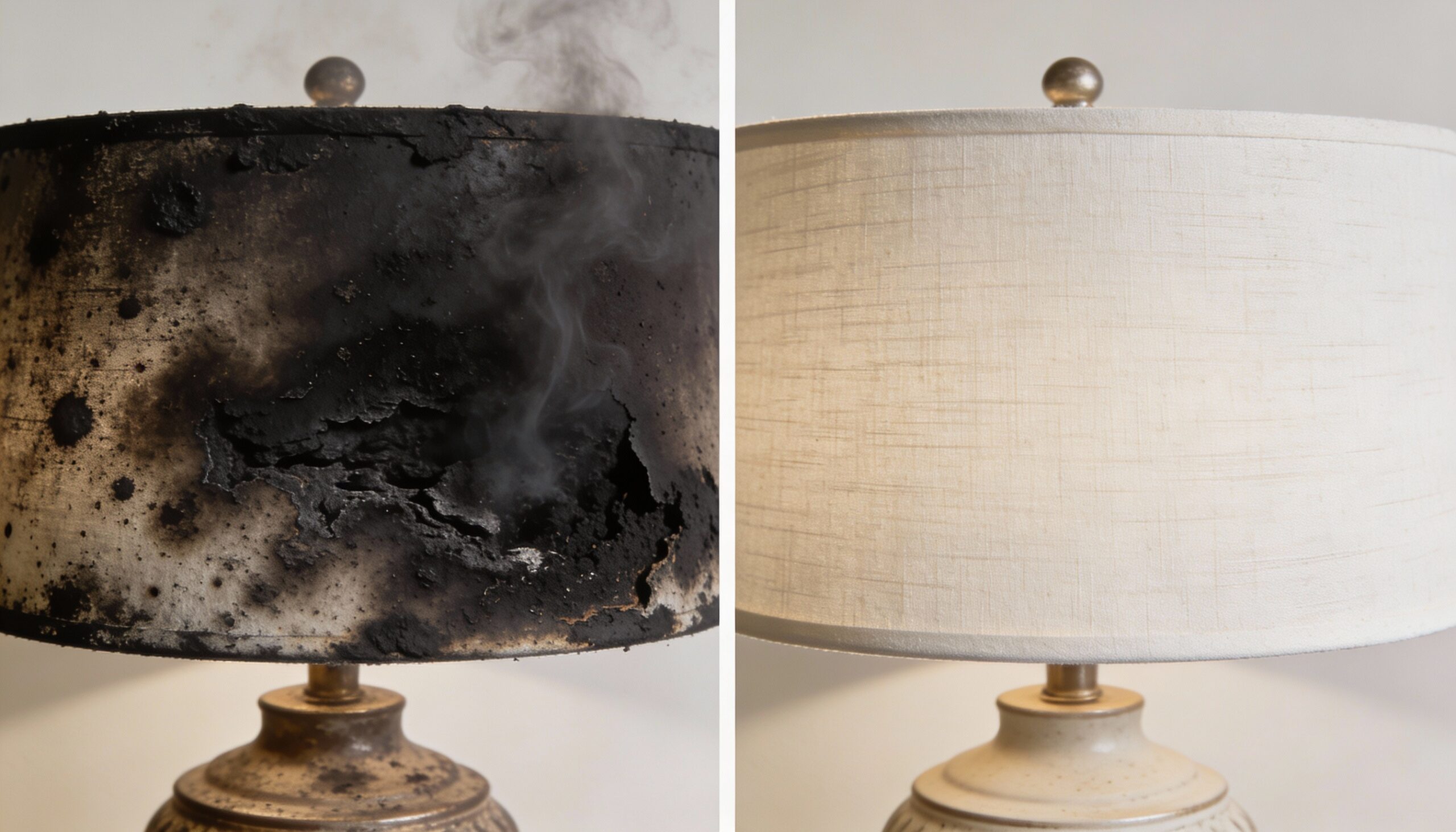
Dry Cleaning: Initial soot removal uses dry methods that prevent smearing and driving particles deeper into surfaces. Specialized sponges, HEPA vacuuming, and dry chemical treatments remove loose residue before wet cleaning begins.
Wet Cleaning: Following dry cleaning, appropriate cleaning solutions address remaining residue. Technicians select products matched to specific smoke types and surface materials. Alkaline cleaners address acidic soot residue while protecting underlying surfaces.
Abrasive Cleaning: Some surfaces require controlled abrasion to remove embedded soot. Soda blasting and other media blasting techniques clean structural elements without damage when properly applied.
Specialized Surface Treatment: Different materials require tailored approaches. Hardwood requires different treatment than tile, painted surfaces differ from natural stone, and porous materials need methods distinct from non-porous surfaces.
| Surface Type | Cleaning Approach | Special Considerations |
|---|---|---|
| Painted Walls/Ceilings | Dry sponge, then wet cleaning with alkaline solutions | May require repainting after cleaning |
| Wood Surfaces | Dry cleaning, appropriate wood cleaners, refinishing | Soot penetrates grain; may need sanding |
| Metal/Glass | Solvent cleaning, polishing compounds | Acidic soot causes rapid corrosion/etching |
| Fabrics/Upholstery | HEPA vacuuming, professional dry cleaning or washing | Often requires off-site processing |
| Carpet | HEPA extraction, hot water extraction, deodorization | Heavy contamination may require replacement |
| HVAC Systems | Complete duct cleaning, component cleaning/replacement | Critical for preventing recontamination |
Odor Elimination
Smoke odor proves particularly challenging because source particles embed throughout the structure. Effective deodorization addresses odor sources rather than merely masking smells. Professional smoke odor removal combines multiple technologies for complete elimination.
Thermal Fogging: Heated deodorant penetrates the same spaces smoke reached, neutralizing odor-causing particles in walls, fabrics, and other porous materials. Thermal fogging reaches areas surface cleaning cannot access.
Ozone Treatment: Ozone generators produce reactive oxygen molecules that break down odor compounds at the molecular level. This treatment requires unoccupied spaces due to ozone’s temporary effects on breathing, but achieves deep odor elimination impossible through other means.
Hydroxyl Generation: Hydroxyl generators create reactive compounds that neutralize odors while remaining safe for occupied spaces. This technology enables ongoing treatment during restoration work.
Sealing: After cleaning and deodorization, specialized sealers encapsulate any remaining odor sources. These coatings prevent residual particles from releasing into air, providing lasting odor control.
Pro Tip: Smoke odor can return if cleaning and deodorization are incomplete. Professional restoration includes verification testing to confirm odor elimination before declaring work complete. If odors return after restoration, contact your provider immediately for follow-up treatment.
HVAC System Smoke Contamination
Your heating and cooling system deserves special attention after fire damage. Smoke contamination in ductwork and HVAC components poses ongoing health risks and can recontaminate cleaned areas whenever the system operates.
Complete HVAC cleaning includes duct inspection and cleaning, component cleaning or replacement, filter replacement, and coil cleaning. Contaminated insulation within ductwork may require removal and replacement. Air quality testing before and after HVAC cleaning confirms contamination removal.
Even if fire damage seems limited to one area, smoke likely entered the HVAC system and distributed throughout the structure. Professional assessment determines contamination extent and necessary cleaning scope for your specific system.
When Contents Can Be Saved
Professional smoke removal often salvages belongings that property owners assume are ruined. Specialized cleaning techniques restore many smoke-damaged items to pre-loss condition, potentially saving thousands of dollars compared to replacement costs.
Typically Salvageable Items
- Hard-surface furniture with smoke film
- Non-porous decorative items
- Metal cookware and appliances
- Many electronic devices (with professional cleaning)
- Leather goods with surface contamination
- Many textiles and clothing items
- Documents and photographs (with specialized treatment)
Items Often Requiring Replacement
- Heavily charred materials
- Melted plastics and synthetics
- Food and cosmetics exposed to smoke
- Medications and medical supplies
- Severely heat-damaged electronics
- Items with deep soot penetration
Professional content restoration specialists evaluate each item individually, providing honest assessments of restoration potential. This evaluation considers both technical feasibility and cost-effectiveness compared to replacement.
DIY vs. Professional Smoke Removal
Property owners sometimes attempt DIY smoke cleaning, often causing additional damage or achieving incomplete results. Understanding why professional smoke and soot removal outperforms DIY efforts helps property owners make informed decisions about their restoration approach.
Why Professional Cleaning Excels
Proper Equipment: Professional restoration requires commercial-grade air scrubbers, thermal foggers, ozone generators, and specialized cleaning equipment unavailable to consumers. This equipment achieves results impossible through household cleaning supplies.
Trained Expertise: IICRC-certified technicians understand how different smoke types interact with various materials. This knowledge prevents cleaning mistakes that cause additional damage or drive contamination deeper into surfaces.
Complete Approach: Professional protocols address all contamination sources systematically. DIY cleaning typically addresses visible damage while missing hidden contamination in wall cavities, ductwork, and other concealed areas.
Health Protection: Professional cleaning includes proper respiratory protection and containment procedures that protect workers and occupants from contamination exposure. DIY cleaning often spreads contamination while exposing cleaners to health hazards.
Risks of Improper Cleaning
- Smearing: Improper technique drives soot deeper into surfaces, causing permanent staining
- Chemical damage: Wrong cleaning products can etch surfaces or set stains permanently
- Incomplete removal: Surface cleaning may leave hidden contamination that causes ongoing problems
- Health exposure: Inadequate protection exposes cleaners to toxic particles
- Insurance complications: DIY cleaning may void coverage or complicate claims
Insurance Considerations for Smoke Damage
Most property insurance policies cover smoke and soot damage resulting from fires, including damage in areas untouched by flames. Understanding insurance coverage helps property owners maximize claim recovery for smoke restoration costs.
Document all smoke damage thoroughly before cleaning begins. Photograph and video contamination throughout the property, including areas far from the fire origin. This documentation supports comprehensive claims that address full damage scope.
Professional restoration companies work directly with insurance adjusters, providing detailed documentation and scope estimates that support appropriate claim settlements. This expertise often results in better coverage than property owners achieve negotiating alone.
Frequently Asked Questions About Smoke and Soot Removal
How long does professional smoke and soot removal take?
+
Timeline varies based on damage extent and property size. Minor smoke damage may require only a few days of professional cleaning, while extensive contamination from major fires can take weeks to fully address. Your restoration provider can estimate timeline after initial assessment, though complex projects may require adjustment as work reveals hidden damage.
Will smoke smell go away on its own over time?
+
Smoke odor rarely dissipates completely without professional treatment. While intensity may decrease initially, embedded particles continue releasing odor compounds indefinitely. Humidity and temperature changes can cause odors to intensify even years after fire damage. Professional deodorization addresses odor sources for permanent elimination rather than waiting for gradual reduction that may never fully occur.
Is smoke damage covered by insurance even if fire was small?
+
Most homeowner policies cover smoke damage from fires regardless of fire size. Even small kitchen fires that self-extinguish can cause significant smoke contamination requiring professional cleaning. Contact your insurance company promptly to report any fire event and begin the claims process. Professional restoration documentation supports comprehensive claim coverage.
Can smoke damage be fully repaired or will evidence always remain?
+
Professional smoke and soot removal typically achieves complete restoration without lasting evidence of damage. However, severely affected porous materials may require replacement rather than cleaning. Professional assessment identifies which materials can be restored versus replaced. With proper techniques, restored properties show no indication of previous smoke damage.
Should I try to clean smoke damage myself before professionals arrive?
+
Avoid DIY smoke cleaning attempts that may cause additional damage. Improper techniques can drive soot deeper into surfaces, spread contamination, or create permanent staining. Instead, ventilate carefully if safe, document damage thoroughly, and wait for professional guidance. Moving contents away from severely contaminated areas is acceptable, but leave cleaning to trained specialists.
How do I choose a smoke damage restoration company?
+
Look for IICRC certification, which indicates training in fire and smoke restoration protocols. Verify insurance and licensing, check references and reviews, and confirm 24/7 availability for emergencies. Experienced companies should explain their process clearly and provide detailed written estimates. Ask about their experience with your specific smoke damage type.
Get Professional Smoke and Soot Removal Services
Smoke and soot contamination demands professional attention to protect your property, health, and investment. Expert restoration combines specialized equipment, proven techniques, and trained expertise to achieve complete smoke removal that DIY efforts cannot match.
When fire affects your property in Northern New Jersey, Pennsylvania’s Capital Region, New York’s Hudson Valley, Connecticut’s Capital Region, or the South Jersey Shore, certified smoke damage specialists provide the comprehensive cleaning needed to restore your property to pre-loss condition. Contact experienced restoration professionals immediately to prevent ongoing smoke damage and begin recovery.