
What Is a Professional Storm Damage Assessment?
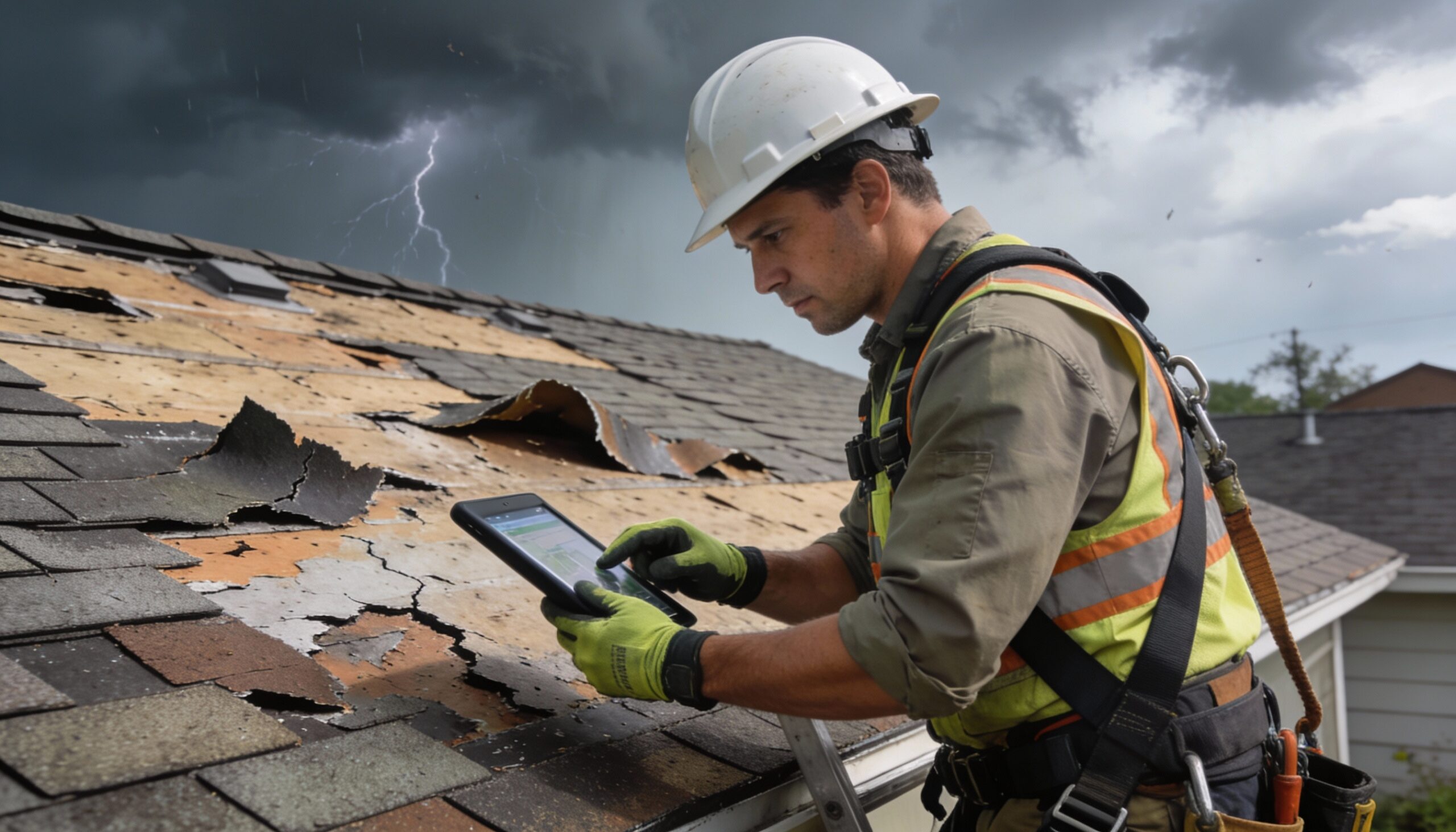
A professional storm damage assessment is a systematic evaluation of your property conducted by trained restoration specialists following severe weather events. This inspection goes far beyond a visual walkthrough, utilizing specialized equipment and industry expertise to document every aspect of storm-related damage. Certified technicians examine structural integrity, water intrusion points, roofing systems, exterior surfaces, and interior spaces to create a comprehensive damage report.
Unlike DIY inspections, professional assessments follow established protocols that insurance companies recognize and respect. Restoration professionals understand how to identify damage patterns specific to different storm types, whether wind, hail, lightning, or flooding caused your property damage. This expertise proves invaluable when filing insurance claims and planning storm damage restoration work.
| Assessment Component | What Professionals Examine | Why It Matters |
|---|---|---|
| Roof Inspection | Shingles, flashing, vents, gutters, underlayment, structural supports | Identifies water entry points and potential collapse risks |
| Exterior Evaluation | Siding, windows, doors, foundation, landscaping, outbuildings | Documents visible damage for insurance claims |
| Interior Analysis | Walls, ceilings, flooring, insulation, electrical systems, HVAC | Reveals hidden water damage and structural concerns |
| Moisture Testing | Wall cavities, subfloors, attic spaces, crawl spaces | Prevents mold growth and ongoing deterioration |
The storm damage assessment process typically begins within hours of the weather event, allowing restoration teams to document conditions before secondary damage occurs. Early assessment also enables emergency mitigation measures like board-up services and water extraction to prevent further property deterioration.
Key Elements of a Thorough Storm Damage Assessment
Professional storm damage assessment encompasses multiple inspection phases, each designed to uncover specific types of damage. Understanding these elements helps property owners appreciate the complexity of proper damage evaluation and ensures nothing gets overlooked during the restoration planning process.
Structural Integrity Evaluation
The foundation of any storm damage assessment involves checking your property’s structural soundness. High winds can compromise load-bearing walls, roof trusses, and foundation connections without leaving obvious external signs. Restoration professionals look for subtle indicators like cracked drywall seams, doors that no longer close properly, or floors that feel uneven underfoot.
Structural concerns require immediate attention because compromised buildings pose safety risks to occupants. In severe cases, engineers may need to provide additional analysis before restoration work begins. Professional assessment teams know when structural damage warrants expert engineering consultation versus standard restoration procedures.
Water Intrusion Detection
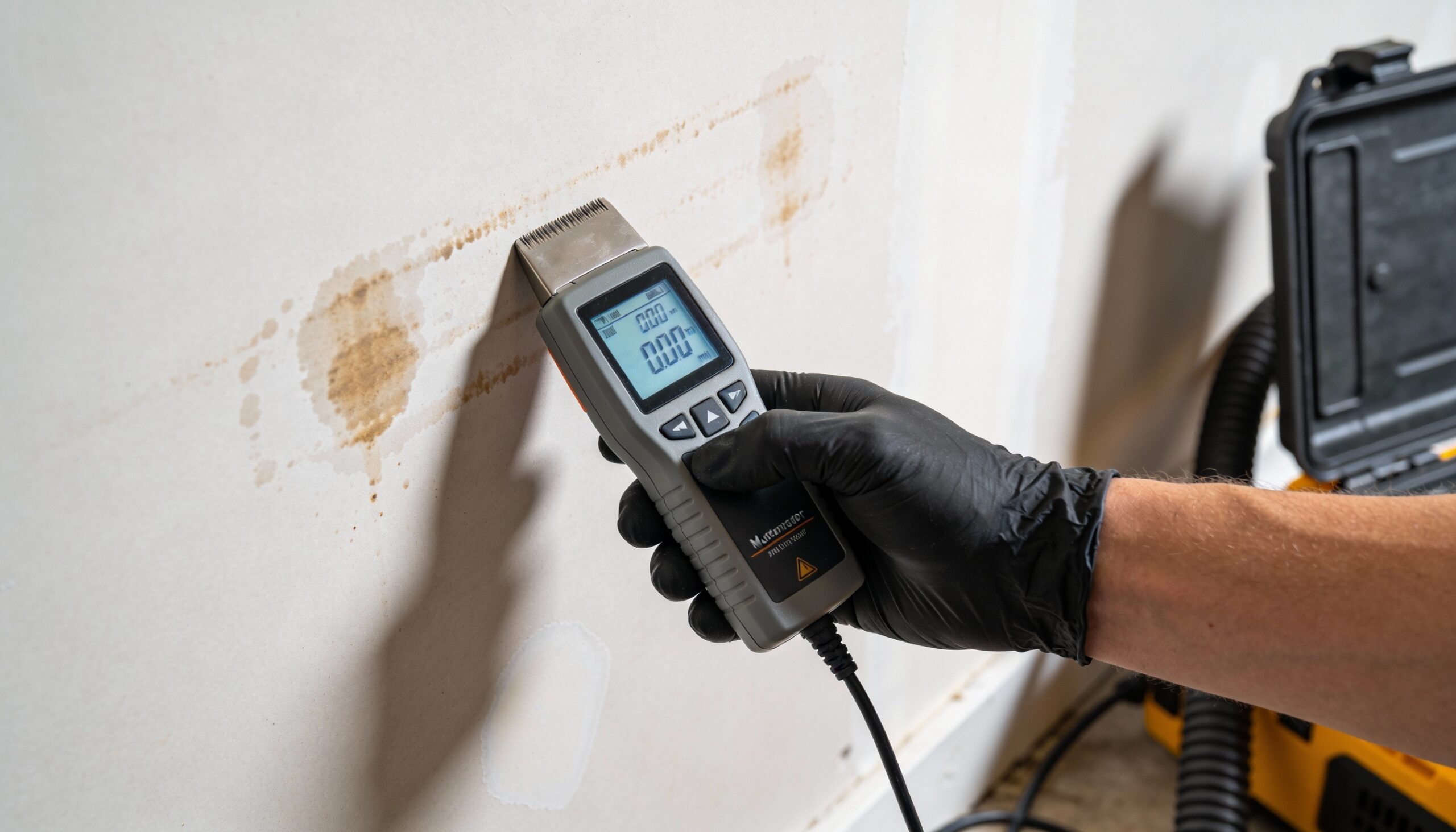
Storm damage frequently involves water intrusion, whether from roof damage, broken windows, or flooding. Professional assessors use moisture meters, thermal imaging cameras, and other specialized equipment to detect water penetration that visual inspection alone would miss. This technology reveals moisture trapped within walls, beneath flooring, and in ceiling cavities.
Undetected water intrusion leads to mold growth within 24-48 hours under favorable conditions. Early identification through professional storm damage assessment enables prompt water extraction and drying procedures that prevent secondary biological contamination.
Pro Tip: Ask your assessment team to document moisture readings at multiple locations throughout your property. These baseline measurements prove valuable for tracking drying progress and demonstrating restoration effectiveness to insurance adjusters.
Roofing System Analysis
Your roof takes the brunt of storm impacts, making thorough roofing assessment essential. Professional inspectors safely access roof surfaces to examine shingle condition, flashing integrity, vent seals, and gutter systems. They document missing, lifted, or cracked shingles, noting the storm-specific damage patterns that distinguish weather impacts from normal wear.
Hail damage presents particular assessment challenges because impacts may not cause immediate leaking. Trained inspectors recognize hail bruising on shingles, dents in metal components, and granule loss that reduces roof lifespan. This documentation supports insurance claims for roof replacement even when leaks haven’t yet developed.
Electrical and Mechanical Systems
Storms can damage electrical systems, HVAC equipment, and plumbing infrastructure in ways that aren’t immediately apparent. Lightning strikes may damage wiring throughout your home, while flooding can corrode electrical panels and outlet boxes. Professional storm damage assessment includes evaluation of these critical systems to ensure your property is safe for occupancy.
HVAC systems exposed to water or debris require professional inspection before operation. Running damaged equipment risks electrical fires, equipment failure, and contamination spread throughout your ventilation system. Assessment teams coordinate with licensed electricians and HVAC technicians when specialized expertise is needed.
The Storm Damage Assessment Process Step by Step
Understanding the assessment workflow helps property owners prepare for the inspection and ensures productive interaction with restoration professionals. Professional storm damage assessment follows a structured approach that maximizes thoroughness while minimizing property disruption.
Initial Contact and Emergency Response
Storm damage assessment begins with your initial contact to a 24/7 emergency restoration service. During this call, dispatchers gather basic information about your property location, storm type, and visible damage. This information helps teams arrive prepared with appropriate equipment and personnel for your specific situation.
Emergency response teams prioritize immediate safety concerns, including structural hazards, gas leaks, electrical dangers, and ongoing water intrusion. Any emergency mitigation needs are addressed before comprehensive assessment begins, protecting both property and occupants from further harm.
Comprehensive Property Walkthrough
Trained assessors conduct systematic walkthroughs covering every accessible area of your property. They follow established protocols that ensure consistent, thorough evaluation regardless of property size or damage complexity. Exterior inspection typically precedes interior evaluation, allowing assessors to trace damage paths from outside impacts through interior manifestations.
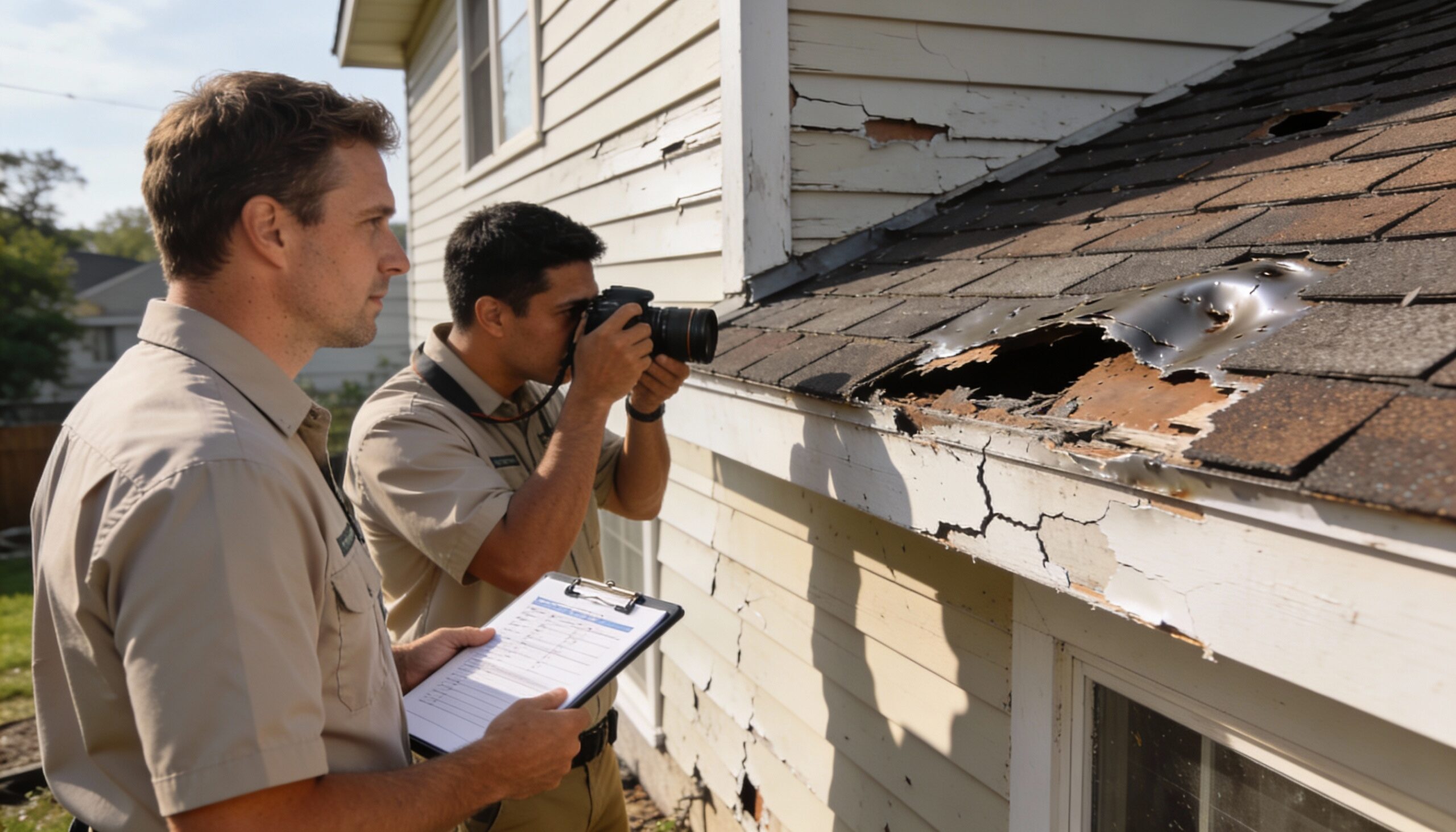
During the walkthrough, assessors document findings through written notes, photographs, and video recording. This documentation serves multiple purposes: guiding restoration planning, supporting insurance claims, and providing baseline records for measuring restoration progress.
- Exterior inspection: Roof, siding, windows, doors, foundation, garage, landscaping, fencing, outbuildings
- Interior inspection: Every room, attic spaces, crawl spaces, basements, closets, utility areas
- Systems inspection: Electrical panels, HVAC equipment, plumbing, water heater, appliances
- Moisture inspection: Wall cavities, subflooring, ceiling spaces, insulation areas
Specialized Testing and Measurement
Beyond visual inspection, professional storm damage assessment incorporates specialized testing that reveals hidden damage. Moisture meters measure water content within building materials, identifying saturation levels that indicate drying needs. Thermal imaging cameras detect temperature variations caused by moisture presence or insulation displacement.
Air quality testing may be recommended when water damage or debris intrusion suggests potential contamination concerns. These measurements establish baseline conditions and help determine whether sanitization services are needed as part of the restoration scope.
Documentation and Reporting
Professional storm damage assessment culminates in comprehensive documentation that serves as the foundation for all subsequent restoration activities. Assessment reports typically include detailed written descriptions of damage, photographs with annotations, measurement data, damage diagrams, and preliminary restoration recommendations.
This documentation package provides essential support for insurance claims, helping adjusters understand the full scope of storm impacts. Well-documented assessments typically result in more accurate initial claim estimates and fewer disputes during the settlement process.
Benefits of Professional Storm Damage Assessment
Investing in professional assessment delivers benefits that extend throughout the entire restoration process. Property owners who skip professional evaluation often face complications that cost more than the assessment would have saved.
Complete Damage Identification
Professional assessors find damage that property owners miss. Hidden water intrusion, structural stress points, and developing problems require trained observation and specialized equipment to detect. Complete damage identification ensures restoration addresses every issue, preventing callbacks and secondary damage discovery months later.
Storm damage often manifests in unexpected locations far from obvious impact points. Wind-driven rain can penetrate through exterior wall joints and travel along interior pathways, causing water damage in rooms far from any exterior wall. Professional assessment traces these hidden damage paths that untrained observers would never suspect.
Insurance Claim Support
Professional storm damage assessment provides documentation that insurance companies recognize as credible evidence of loss. Detailed reports with photographs, measurements, and technical observations support higher claim settlements than homeowner-generated documentation alone.
Assessment teams understand what insurance adjusters look for when evaluating claims. They know how to document damage patterns specific to covered perils, distinguish storm damage from pre-existing conditions, and present findings in formats that facilitate claims processing.
Warning: Delaying professional assessment can complicate insurance claims. Insurers may question whether damage occurred during the claimed storm event or resulted from subsequent exposure. Prompt assessment establishes the connection between the storm and your property damage.
Accurate Restoration Planning
Comprehensive storm damage assessment enables accurate restoration planning that addresses all identified issues in proper sequence. Restoration professionals develop work plans based on assessment findings, ensuring efficient project execution without costly change orders or scope additions during construction.
Assessment findings also inform material ordering, subcontractor scheduling, and timeline development. This advance planning accelerates restoration completion while maintaining quality standards throughout the project.
Safety Assurance
Professional assessment identifies safety hazards that might not be apparent to property owners. Compromised structures, electrical dangers, contamination risks, and unstable conditions all require professional evaluation before occupancy decisions are made.
Assessment teams provide clear guidance about property safety, recommending temporary relocation when necessary and identifying areas that require professional attention before use. This safety focus protects families and businesses from storm-related injuries that could occur without proper evaluation.
When to Request Professional Storm Damage Assessment
Understanding when professional assessment is necessary helps property owners respond appropriately to storm events. While minor storms may not warrant professional evaluation, significant weather events almost always benefit from expert inspection.
Always Seek Assessment After:
- High wind events: Sustained winds over 50 mph or gusts exceeding 70 mph can cause structural damage
- Hail storms: Any hail larger than 1 inch in diameter typically damages roofing and siding
- Flooding: Any water intrusion into living spaces requires professional evaluation
- Lightning strikes: Direct or nearby strikes can damage electrical systems and cause fires
- Tornado activity: Even near-misses can cause significant wind damage to structures
- Hurricane or tropical storm impacts: Combined wind, rain, and flooding effects require comprehensive assessment
Consider Assessment When:
- Neighbors report damage to their properties
- You notice new leaks, drafts, or unusual sounds
- Insurance company recommends inspection
- Visual damage is apparent on any exterior surface
- Trees or debris have contacted your structure
When in doubt, professional assessment provides peace of mind and early detection of issues that might otherwise go unaddressed. The modest investment in assessment pays dividends through avoided secondary damage and complete restoration coverage.
Choosing a Storm Damage Assessment Provider
Selecting the right company for your storm damage assessment ensures thorough evaluation and reliable findings. Not all restoration companies offer the same expertise or service quality, making careful selection important.
Essential Qualifications
Look for restoration companies with IICRC (Institute of Inspection, Cleaning and Restoration Certification) credentials. This industry certification indicates training in proper damage assessment protocols and restoration procedures. Companies with multiple certified technicians demonstrate organizational commitment to professional standards.
Experience matters significantly in storm damage assessment. Companies that have operated through multiple storm seasons develop expertise in recognizing damage patterns specific to your region’s typical weather events. Ask potential providers about their experience with your specific storm type and property construction.
| Provider Quality Indicator | What to Look For | Red Flags to Avoid |
|---|---|---|
| Certification | IICRC certification, manufacturer training, continuing education | No verifiable credentials, vague claims of expertise |
| Equipment | Moisture meters, thermal cameras, documentation systems | Visual-only inspection, limited testing capability |
| Response Time | 24/7 availability, rapid deployment, emergency services | Extended wait times, business-hours-only service |
| Documentation | Detailed written reports, photographs, measurements | Verbal-only findings, limited record keeping |
| Insurance Experience | Direct billing capability, claims documentation expertise | No insurance coordination, unfamiliar with claims process |
Questions to Ask Assessment Providers
- What certifications do your assessment technicians hold?
- What equipment will you use during the assessment?
- How long will the assessment take for my property size?
- What documentation will I receive after the assessment?
- Do you provide assessment findings to insurance companies?
- What emergency mitigation services can you provide if needed?
After the Storm Damage Assessment
Professional assessment marks the beginning of your restoration journey, not the end. Understanding next steps helps property owners move efficiently from assessment through complete restoration.
Reviewing Assessment Findings
Take time to review assessment documentation thoroughly with your restoration team. Ask questions about anything unclear, and ensure you understand the scope of damage identified. This review conversation helps align expectations for restoration work and timeline.
Assessment findings inform restoration recommendations, which your provider should explain in detail. Understanding why specific repairs are recommended helps you make informed decisions about restoration priorities and optional upgrades.
Insurance Coordination
Professional restoration companies typically assist with insurance claim coordination. They can submit assessment documentation directly to your insurer, meet with adjusters during property inspections, and provide supplemental documentation when initial estimates don’t cover identified damage.
Stay actively involved in insurance communications even when your restoration company provides coordination support. Understand what your policy covers, what deductibles apply, and what documentation requirements your insurer specifies.
Restoration Planning and Execution
Assessment findings directly inform restoration planning. Your provider develops a detailed work plan addressing every identified issue in logical sequence. Proper sequencing matters, as some restoration activities must precede others for optimal results.
Review the proposed restoration plan before work begins, ensuring you understand the scope, timeline, and any decisions that require your input. Clear communication at this stage prevents misunderstandings and ensures restoration meets your expectations.
Frequently Asked Questions About Storm Damage Assessment
How quickly should I get a professional storm damage assessment after a storm?
+
Contact a professional restoration company within 24-48 hours of the storm event whenever possible. Early assessment enables prompt emergency mitigation that prevents secondary damage from water intrusion or structural instability. Delayed assessment can complicate insurance claims and allow minor damage to worsen into major problems.
Will my insurance cover the cost of professional storm damage assessment?
+
Most insurance policies cover professional assessment as part of the overall claim when covered damage is confirmed. Many restoration companies offer free initial assessments, billing assessment costs only when they proceed with restoration work. Check with both your insurance company and restoration provider about assessment fee policies before scheduling.
What should I do before the assessment team arrives?
+
Prioritize safety first, avoiding damaged areas and turning off utilities if hazards exist. Document visible damage with photographs if safe to do so. Gather insurance policy information and note the date and time of the storm event. Clear access paths to all areas of your property, including attics and crawl spaces, so assessors can conduct thorough evaluation.
How long does a professional storm damage assessment take?
+
Assessment duration varies based on property size and damage extent. A typical residential assessment takes 1-3 hours, while larger properties or extensive damage may require longer evaluation. Commercial properties often need multiple visits to complete comprehensive assessment. Your provider can estimate assessment duration based on your property specifics.
Can I be present during the storm damage assessment?
+
Yes, property owners are encouraged to accompany assessors during the inspection. Your presence allows you to point out damage you’ve noticed, ask questions about findings, and understand assessment conclusions firsthand. Accompanying the assessment team also ensures you’re aware of any immediate safety concerns or emergency mitigation needs.
What if the assessment finds more damage than I expected?
+
Discovering hidden damage is exactly why professional assessment matters. Assessment teams document all findings for insurance submission, supporting claims for complete restoration coverage. More extensive damage typically means higher insurance settlements, provided documentation clearly connects damage to the covered storm event.
Should I get multiple storm damage assessments?
+
A single assessment from a qualified, certified restoration company typically provides sufficient documentation. However, if you have concerns about assessment thoroughness or disagree with findings, obtaining a second opinion from another certified provider is reasonable. Be aware that multiple assessments delay restoration and may create conflicting documentation.
What happens if I disagree with the insurance adjuster’s assessment?
+
Professional restoration company assessments often identify damage that insurance adjusters miss. If your adjuster’s evaluation differs from your restoration company’s assessment, request a reinspection with your restoration company present. Professional documentation and expert explanation often result in revised estimates that better reflect actual damage scope.
Partner With Certified Storm Damage Assessment Professionals
Professional storm damage assessment provides the foundation for successful property restoration following severe weather. By identifying all damage, documenting findings for insurance, and guiding restoration planning, expert assessment ensures your property receives complete, appropriate repairs that restore safety and value.
When storms damage your property in Northern New Jersey, Pennsylvania’s Capital Region, New York’s Hudson Valley, Connecticut’s Capital Region, or the South Jersey Shore, certified restoration professionals provide prompt, thorough assessment that protects your interests. Contact experienced storm damage specialists immediately following severe weather to ensure comprehensive evaluation before secondary damage develops.