
Professional Emergency Water Extraction: What the Experts Bring
Professional restoration companies specializing in emergency water extraction bring substantial advantages to water damage situations. Their response capabilities, equipment inventory, and technical expertise often prove decisive in minimizing damage and restoration costs.
Industrial-Grade Equipment
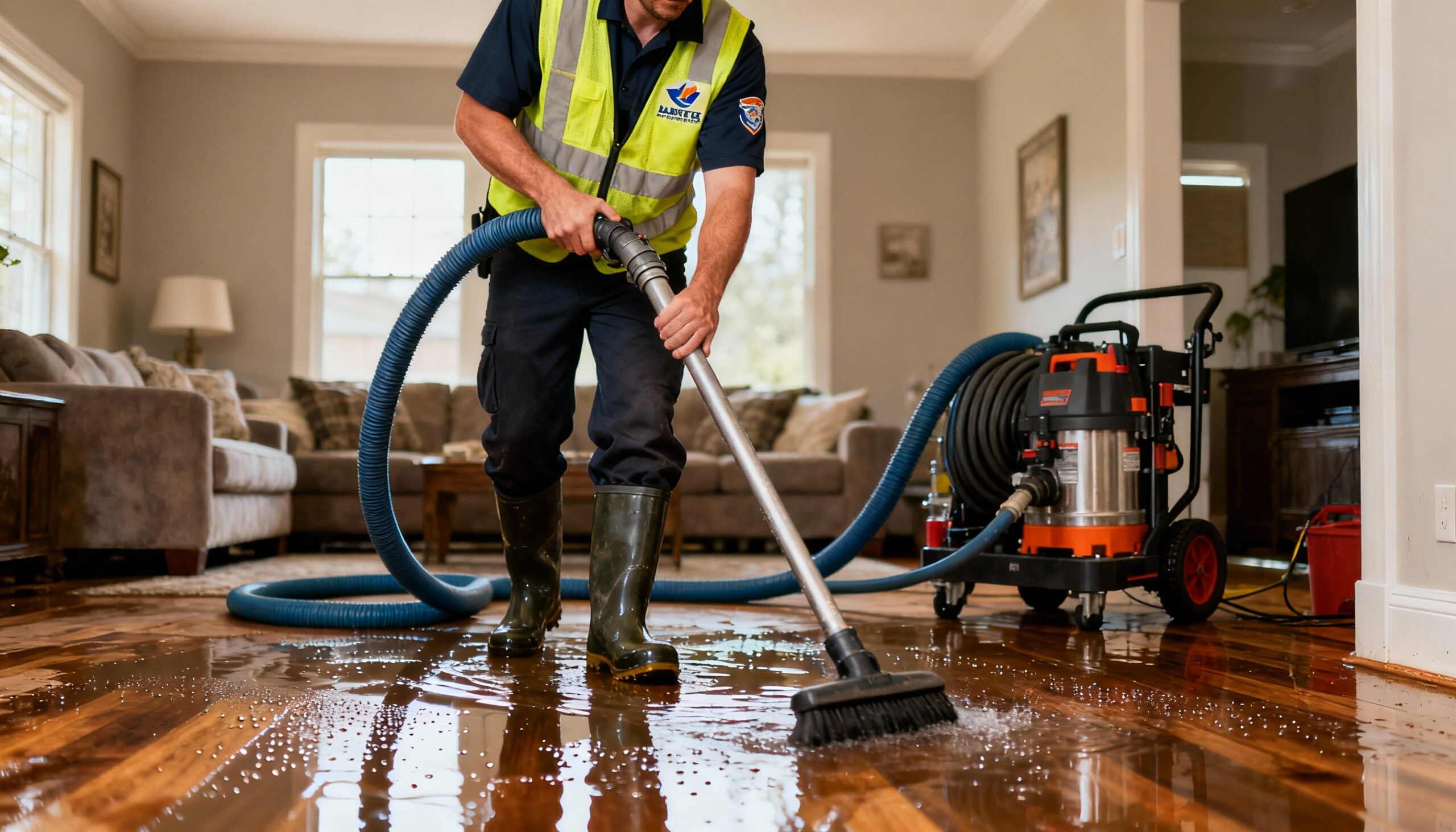
Professional water removal methods rely on commercial equipment far exceeding consumer-grade alternatives. Truck-mounted extraction units can remove hundreds of gallons per hour, dramatically reducing the time water remains in contact with building materials. These powerful systems connect to vehicle-mounted engines providing consistent suction power throughout the extraction process.
Submersible pumps used in professional flood extraction handle deep standing water that overwhelms standard wet vacuums. These pumps operate continuously, removing water faster than it can spread to unaffected areas. For carpeted spaces, professionals deploy weighted extraction tools that compress carpet fibers while pulling moisture from padding beneath—a critical step in preventing mold growth in floor systems.
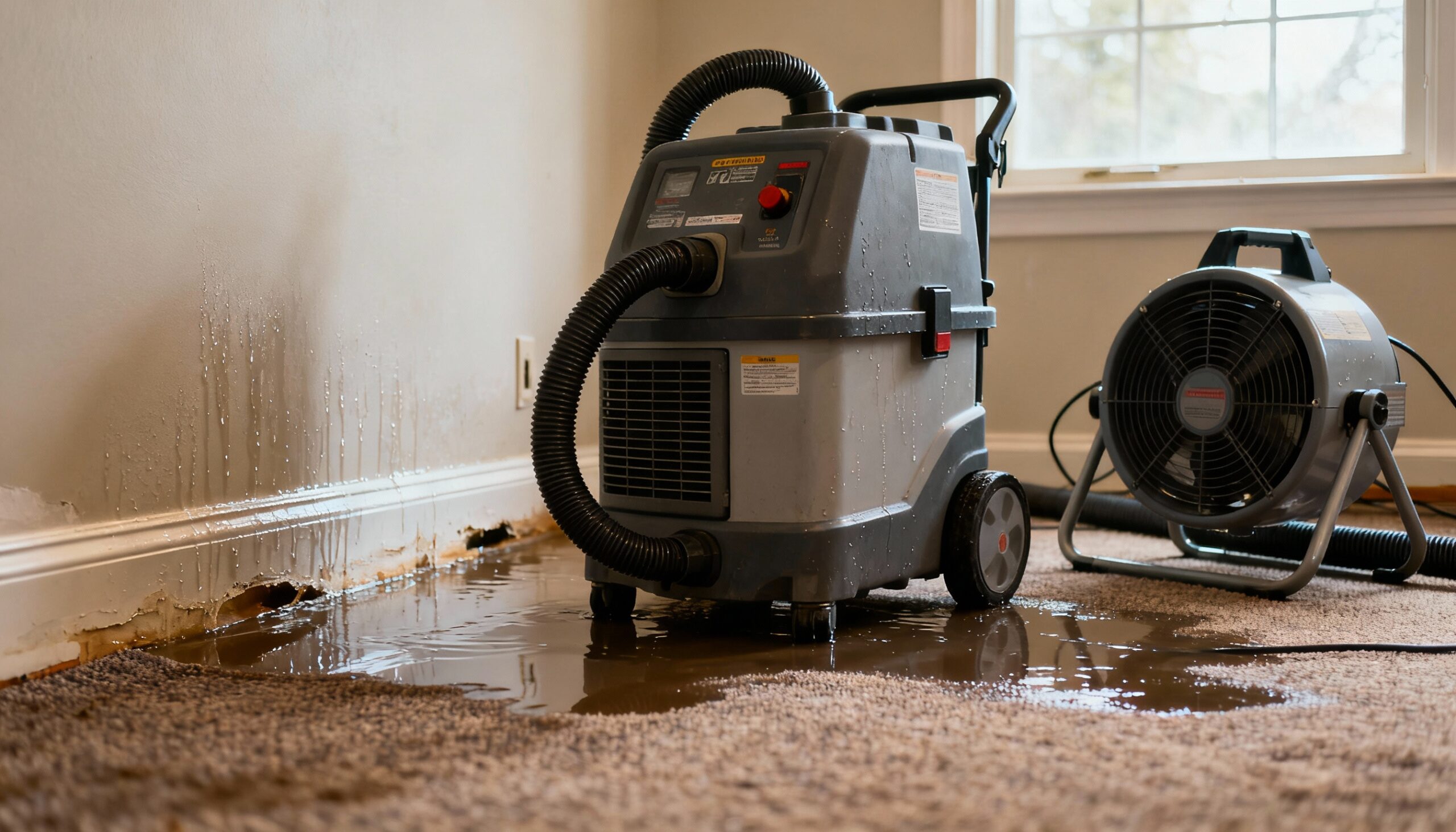
Following initial emergency water extraction, professionals position commercial air movers and dehumidifiers strategically throughout affected areas. These industrial units exchange air volume many times faster than residential equipment, accelerating the drying process from weeks to days. Proper equipment placement based on psychrometric principles ensures thorough moisture removal from all building materials.
Moisture Detection and Monitoring
Professional water cleanup techniques include comprehensive moisture mapping using specialized detection equipment. Infrared cameras reveal temperature variations indicating hidden moisture behind walls and beneath flooring. Penetrating moisture meters measure saturation levels deep within structural materials, identifying problem areas invisible to visual inspection.
This detection capability proves essential for complete emergency water extraction. Without proper moisture assessment, residual dampness remains trapped in building cavities, creating ideal conditions for mold colonization and structural decay. Professionals document moisture readings throughout the drying process, ensuring all materials return to acceptable levels before restoration work begins.
24/7 Emergency Response
Water emergencies rarely occur at convenient times. Professional restoration companies maintain round-the-clock availability, dispatching crews within hours of your call. This rapid response minimizes the duration of water exposure, directly reducing damage severity and restoration costs.
Emergency response teams arrive prepared with extraction equipment, protective gear, and the expertise to assess your situation immediately. They can begin flood extraction while simultaneously documenting damage for insurance purposes—a dual approach that accelerates both the physical and administrative aspects of your recovery.
DIY Water Removal Methods: Capabilities and Limitations
Do-it-yourself emergency water extraction can prove effective for minor water intrusions, provided you understand the limitations and proceed with appropriate caution. Successful DIY water removal methods depend on several factors including water volume, contamination level, and available equipment.
When DIY Extraction Makes Sense
Small-scale water incidents often fall within DIY capabilities. A leaking dishwasher discovered quickly, minor toilet overflows with clean water, or small appliance failures typically involve manageable water volumes without significant contamination. In these situations, prompt action using household equipment can prevent damage escalation.
DIY water cleanup techniques work best when you can address the moisture source immediately, the affected area remains limited to a single room or small section, standing water measures less than an inch deep, and the water category involves clean supply water rather than contaminated sources. Meeting all these criteria suggests a manageable situation for homeowner response.
Essential DIY Equipment
Effective DIY emergency water extraction requires appropriate tools. A quality wet/dry vacuum serves as your primary extraction device, capable of removing standing water from hard surfaces and extracting moisture from carpet. Choose models with substantial tank capacity to minimize interruptions for emptying during extraction.
Supplement your wet vacuum with mops, squeegees, and absorbent towels for water removal from areas the vacuum cannot reach effectively. A standard box fan accelerates surface drying, though its effectiveness falls far short of commercial air movers. Portable dehumidifiers help reduce ambient moisture but lack the capacity for rapid structural drying.
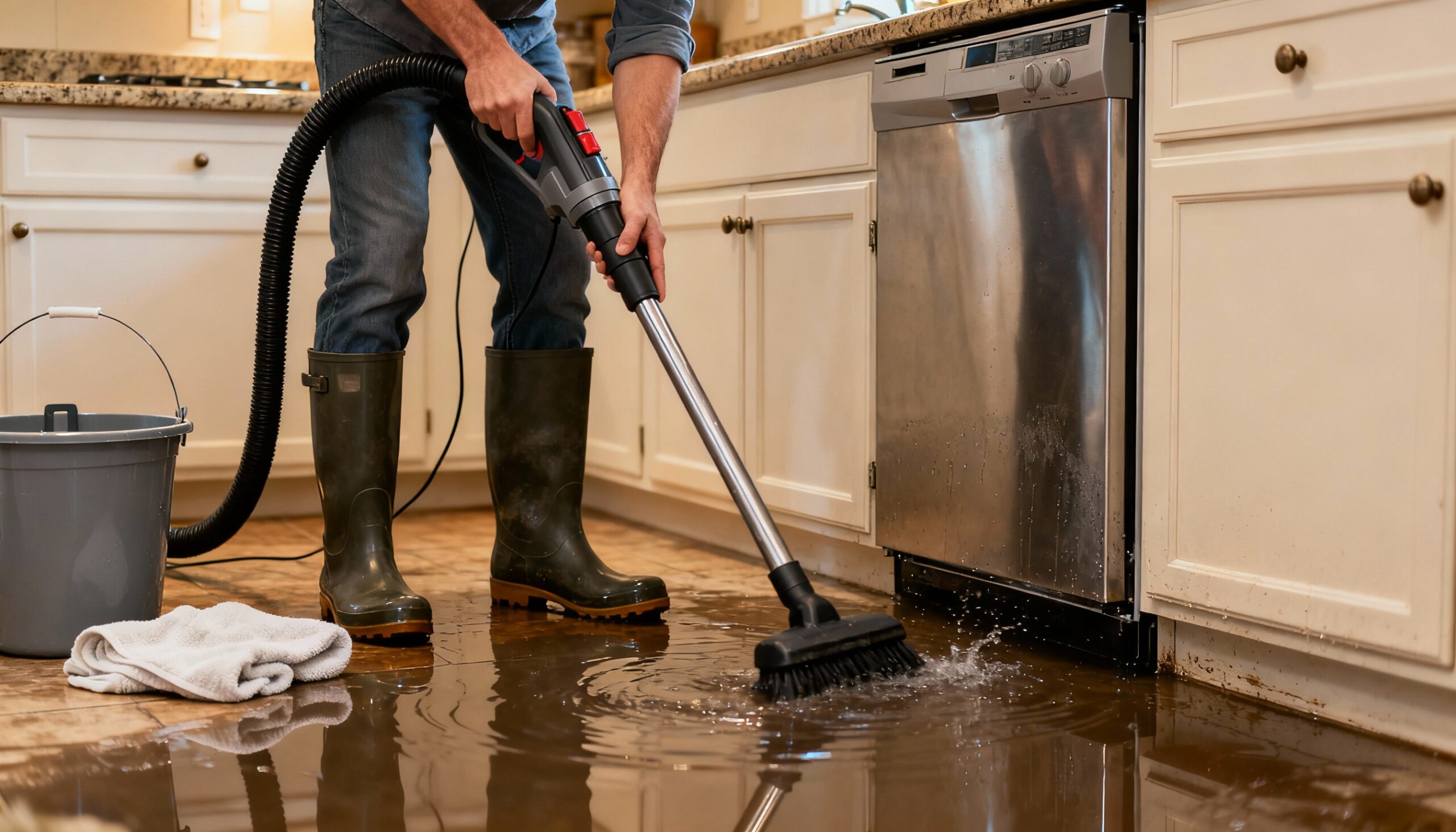
Safety equipment deserves equal attention in DIY water removal methods. Rubber boots and gloves protect against contamination and electrical hazards. Even seemingly clean water can harbor bacteria after contacting floor surfaces, making personal protection essential during any extraction effort.
DIY Extraction Process
Begin your DIY flood extraction by stopping the water source if possible. Shut off supply valves, turn off appliances, or take whatever action necessary to prevent additional water entry. This critical first step ensures your extraction efforts aren’t undermined by continued flooding.
Remove furniture, rugs, and personal belongings from affected areas immediately. Elevate items that cannot be removed by placing aluminum foil or wooden blocks beneath furniture legs, preventing wicking of moisture into upholstery and wood components. This protective step often determines whether furnishings survive water exposure.
Extract standing water systematically, working from the area perimeter toward floor drains or exterior doors where possible. This approach prevents pushing water into unaffected spaces. Continue extraction until no visible standing water remains, then focus on moisture in carpet, padding, and porous materials.
Maximize ventilation by opening windows, running exhaust fans, and positioning portable fans to create air movement across wet surfaces. Your water cleanup techniques should focus on accelerating evaporation through air circulation while running dehumidifiers to capture airborne moisture.
Professional vs DIY: A Detailed Comparison
Choosing between professional emergency water extraction and DIY approaches requires honest assessment of your situation. The following comparison highlights key differences affecting outcomes and costs.
| Factor | Professional Extraction | DIY Extraction |
|---|---|---|
| Response Time | 1-4 hours typical arrival | Immediate if home |
| Extraction Speed | Hundreds of gallons per hour | Limited by equipment capacity |
| Hidden Moisture Detection | Infrared cameras, moisture meters | Visual inspection only |
| Drying Time | 3-5 days typical | 1-3 weeks or longer |
| Mold Prevention | High success rate with proper protocols | Variable depending on thoroughness |
| Insurance Documentation | Professional reports and photos | Homeowner responsibility |
| Contaminated Water Handling | Proper safety protocols and disposal | Significant health risks |
| Cost | $1,000-$5,000+ depending on scope | Equipment and time investment |
Critical Situations Requiring Professional Emergency Water Extraction
Certain water damage scenarios demand professional intervention regardless of homeowner capability or preference. Recognizing these situations helps you make appropriate decisions when emergencies occur.
Contaminated Water Events
Any flood extraction involving gray water or black water requires professional handling. Sewage backups, natural flooding, and water containing chemical contaminants pose serious health risks requiring specialized protective equipment and disposal procedures. Attempting DIY water removal methods with contaminated water exposes you to pathogens, parasites, and toxic substances that can cause serious illness.
Professional emergency water extraction teams arrive equipped with appropriate personal protective equipment including respirators, impermeable suits, and eye protection. They follow established protocols for contaminated water handling, ensuring safe removal and proper disposal in compliance with environmental regulations.
Large-Scale Flooding
When water affects multiple rooms, entire floor levels, or commercial spaces, professional water cleanup techniques become essential. The volume of water involved overwhelms consumer equipment, and the complexity of multi-room extraction requires systematic approaches that professionals develop through training and experience.
Large flood events also increase hidden moisture concerns exponentially. Water finding pathways through wall cavities, beneath flooring systems, and into structural components creates drying challenges beyond DIY capabilities. Professional moisture mapping ensures complete identification of affected areas, preventing the secondary damage that incomplete extraction inevitably causes.
Structural Concerns
Water intrusion affecting structural elements requires professional assessment and emergency water extraction. Saturated subfloors, water-logged wall framing, and compromised ceiling systems present safety hazards alongside restoration challenges. Professionals evaluate structural integrity while extracting water, identifying concerns that might escape homeowner notice.
Foundation flooding presents particular complexity for water removal methods. Hydrostatic pressure, potential structural movement, and contamination from ground contact create conditions requiring professional expertise. Improper extraction from foundation spaces can cause soil settling, wall cracks, and ongoing moisture intrusion.
The True Cost Calculation: Professional vs DIY
Evaluating emergency water extraction costs requires looking beyond immediate expenses to consider long-term consequences. While DIY approaches appear economical initially, incomplete extraction often results in expenses far exceeding professional service costs.
Professional flood extraction typically ranges from $1,000 to $5,000 for residential incidents, varying based on affected area, water category, and required drying time. This investment includes extraction, drying equipment rental, monitoring, and documentation. Most importantly, professional water cleanup techniques prevent secondary damage that multiplies restoration costs.
DIY water removal methods carry hidden costs that accumulate over time. Equipment purchases or rentals, extended time investment, and potential lost wages during extended drying periods add up quickly. More significantly, incomplete extraction leading to mold growth can result in remediation costs ranging from $2,000 to $30,000 or more—expenses that proper initial extraction would have prevented entirely.
Insurance considerations also factor into cost calculations. Many policies require professional extraction and documentation for coverage eligibility. Attempting DIY approaches may void coverage for resulting damage, leaving you financially responsible for consequences that insurance would otherwise address.
Maximizing DIY Effectiveness When Appropriate
For minor incidents where DIY water removal methods prove appropriate, following best practices maximizes your effectiveness and minimizes risk of incomplete extraction.
Act immediately upon discovering water intrusion. Every hour of delay allows deeper moisture penetration into building materials. Begin extraction within minutes of discovery whenever possible, prioritizing standing water removal before addressing saturated materials.
Document everything before, during, and after your emergency water extraction efforts. Photographs showing water levels, affected areas, and extraction progress support insurance claims and provide valuable reference if problems develop later. Maintain records of equipment used, time invested, and materials removed or replaced.
Monitor drying progress beyond surface appearances. Materials may feel dry on the surface while retaining moisture deeper within. Use a moisture meter if available, or continue drying efforts longer than seems necessary to ensure complete moisture removal. Extended drying time costs nothing but provides insurance against mold development.
Know when to escalate to professional water cleanup techniques. If drying stalls, musty odors develop, or you discover moisture spread beyond the initial area, contact professionals immediately. Early professional intervention often costs less than addressing complications from prolonged DIY attempts.
Combining Professional and DIY Approaches
The most effective emergency water extraction strategy often combines professional services with informed homeowner participation. Understanding how these approaches complement each other optimizes outcomes while managing costs.
Immediate homeowner response during the waiting period for professional arrival significantly impacts damage severity. Shutting off water sources, moving belongings, and beginning basic extraction with available equipment prevents damage escalation during the response window. Professionals arrive to a better-controlled situation, potentially reducing service scope and cost.
Following professional flood extraction, homeowner involvement in monitoring and maintenance extends the value of professional services. Understanding how to check moisture levels, maintain equipment operation, and identify warning signs of incomplete drying makes you an active participant in successful restoration rather than a passive observer.
Building a relationship with a trusted restoration company before emergencies occur provides advantages when water damage strikes. Pre-established contacts mean faster response times, familiarity with your property, and confidence in the services provided. Many homeowners find peace of mind knowing professional emergency water extraction services stand ready when needed.
Frequently Asked Questions
How quickly should emergency water extraction begin after flooding?
Emergency water extraction should begin within the first 24-48 hours to prevent mold growth and structural damage. Ideally, extraction starts within hours of water intrusion. Mold can begin developing within 24-48 hours in damp conditions, and building materials suffer increasing damage the longer they remain saturated. Professional services typically arrive within 1-4 hours of an emergency call, while homeowners can begin basic DIY extraction immediately upon discovering water.
What equipment do professionals use for water removal methods?
Professional water removal methods utilize truck-mounted extraction units capable of removing hundreds of gallons per hour, submersible pumps for deep standing water, weighted carpet extraction tools, commercial air movers, industrial dehumidifiers, and advanced moisture detection equipment including infrared cameras and penetrating moisture meters. This equipment far exceeds consumer-grade alternatives in power, capacity, and effectiveness for thorough flood extraction.
Can I perform flood extraction myself for sewage backups?
No, sewage backups require professional flood extraction due to serious health hazards from pathogens, bacteria, and parasites present in black water. DIY attempts risk exposure to dangerous contaminants and typically fail to address the full scope of contamination. Professional teams have proper protective equipment, follow established safety protocols, and ensure proper disposal in compliance with environmental regulations. Always contact professionals immediately for any sewage-related water intrusion.
How do I know if water cleanup techniques were successful?
Successful water cleanup techniques result in moisture readings within acceptable ranges (typically below 15% for wood materials), no musty odors, and no visible signs of moisture or staining. Professionals verify success using moisture meters and thermal imaging to confirm all affected materials have dried completely. For DIY efforts, extended drying beyond surface dryness, absence of odors, and no subsequent mold development indicate successful extraction. Consider professional moisture testing if uncertain about drying completeness.
Will insurance cover professional emergency water extraction costs?
Most homeowner insurance policies cover professional emergency water extraction for sudden, accidental water damage such as burst pipes or appliance failures. Coverage typically excludes flood damage from natural disasters (requiring separate flood insurance) and damage from neglected maintenance issues. Professional restoration companies provide documentation supporting insurance claims, and many work directly with insurance adjusters to streamline the claims process. Review your specific policy and contact your insurance provider promptly after water damage occurs.